
Landspitali - University Hospital
The content on this page has been translated using Artificial Intelligence (AI). If there are discrepancies in meaning between the English and Icelandic versions, the Icelandic version is the authoritative version.
The impact of MND on breathing and respiratory support
MND can weaken the intercostal muscles and diaphragm, which are the respiratory muscles essential for breathing in and out. This can lead to reduced breathing capacity, which may result in symptoms like fatigue and shortness of breath.
The Home Ventilator Team (HÖT) and a physiotherapist from the MND team can assess your breathing and lung capacity. They can also guide you on exercises, training, posture, coughing techniques, and using a cough assist machine. HÖT also provides advice on support and follow-up regarding ventilator treatment.
Generally, supplemental oxygen isn't recommended for people with MND because it can disrupt the balance between oxygen and carbon dioxide. When the disease starts affecting the diaphragm, it can lead to respiratory failure, meaning air exchange is insufficient and carbon dioxide builds up in the blood. If supplemental oxygen is given, it can cause an even greater increase in carbon dioxide. Too much carbon dioxide in the blood can cause harm.
Supplemental oxygen can be used cautiously when oxygen saturation is low, which can happen with respiratory infections or other lung-related problems. This is always done in consultation with a doctor.
A ventilator provides respiratory support and helps increase airflow to and from the lungs.
See information page MND-association.org
Ventilator support can reduce breathing-related problems like shortness of breath and fatigue. It can prolong life and improve quality of life, but it does not affect the progression of the disease, as muscles continue to weaken.
MND causes the muscles supporting breathing to weaken, and over time, you may require respiratory support, initially for part of the day, but potentially around the clock as the disease progresses. Other MND symptoms may worsen, which can raise questions regarding future treatment and care.
Having an open discussion with your family and the Home Ventilator Team (HÖT) is beneficial when making decisions about respiratory support and ventilator treatment. Being well-informed helps you make timely decisions about your care.
Respiratory support with a ventilator can be divided into two categories (external/internal)
Non-Invasive Ventilation (NIV): This involves using a portable home ventilator to provide additional airflow through a nasal or facial mask. This type of respiratory support is common for MND.
Invasive Ventilation (IV) via Tracheostomy: This type of respiratory support is provided with a portable home ventilator that delivers air through a plastic tube inserted into the trachea via an incision in the neck, known as a tracheostomy. The decision of whether and when to choose this type of ventilator treatment depends on the individual's wishes, needs, and circumstances. Invasive ventilation via tracheostomy may require 24-hour care assistance.
You always have the right to decline or stop treatment, even if it's considered life-sustaining.
Healthcare professionals specializing in respiratory and palliative care will offer you and your family education and support if you choose to discontinue ventilator treatment. If 24-hour respiratory support is needed, stopping it carries certain risks. Often, the approach taken is to gradually reduce respiratory support while simultaneously administering medication to ease shortness of breath and anxiety.
You can record your future care wishes in advance, should a situation arise where you become unable to make or communicate decisions.
Solutions for Breathing Difficulties
MND progresses differently for everyone. Not all individuals experience the same symptoms, and they often don't appear in a specific order. At some point in your disease progression, you might experience changes in your breathing.
While changes in breathing (due to weakening respiratory muscles) are irreversible, treatment is available to alleviate symptoms caused by breathing difficulties.
If you have questions after reading this information, you can reach out to the MND team. You can be referred to nurses from the Home Ventilator Team (HÖT) and to a pulmonologist if you'd like a breathing assessment or if you notice changes in your breathing.
Remedies for breathing problems
The role of the lungs is to bring oxygen-rich inhaled air into the bloodstream and release carbon dioxide from the blood during exhalation. As we breathe, air moves to and from the lungs, which extract oxygen from the inhaled air. Oxygen then travels from the lungs into the bloodstream, which carries oxygenated blood throughout the body so it can function.
The body produces carbon dioxide as a waste product. Carbon dioxide travels back to the lungs via the bloodstream, where it exits the body with exhalation. The difference in the ratio of oxygen to carbon dioxide stimulates breathing.
The muscles involved in breathing are:
Diaphragm: A large muscle located below the lungs.
Intercostal muscles: Muscles located between the ribs.
During inhalation, the intercostal muscles contract, and the diaphragm moves downward, increasing the volume in the chest cavity, which draws air into the lungs. When these muscles relax, air is pushed out.
Neck and shoulder muscles: These muscles can be activated during exertion or if the primary respiratory muscles have weakened.
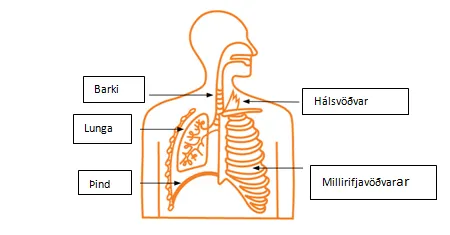
When you cough, you take a deep breath, and your abdominal muscles contract to create pressure on your diaphragm. Your vocal cords and throat close as your muscles tense to cough, then open as air is forced out of your lungs.
This forceful expulsion of air helps to clear mucus from your lungs. Coughing can also help to clear food or drink that has gone down the "wrong way" (aspiration).
MND causes muscle weakness, which can affect, among other things, the respiratory muscles. It varies which muscles weaken first, but breathing problems like shortness of breath and reduced coughing ability can be early symptoms of MND.
If the strength of your respiratory muscles decreases, it affects both inhalation and exhalation. Breathing becomes shallower, less air is drawn into the lungs, and less oxygen is absorbed. Reduced respiratory muscle capacity also makes it harder to exhale and get rid of carbon dioxide.
This can impact your sleep; oxygen saturation might drop and disturb your sleep. If you wake up often or don't get good deep sleep, it can lead to morning fatigue and not waking up refreshed. You might also experience morning headaches due to increased carbon dioxide levels in your blood or insufficient sleep.
You might experience any of the following symptoms:
Shortness of breath, even at rest or when lying flat
Shallow, rapid breathing
Decreasing oxygen saturation
Difficulty clearing phlegm due to reduced cough strength
Repeated or prolonged respiratory infections
Less strength during inhalation
Disturbed sleep and morning fatigue
Nightmares or hallucinations
Morning headaches
Severe fatigue and daytime sleepiness
Poor concentration, impaired memory, or confusion
Weaker voice
Loss of appetite
You might also find it difficult to take a deep breath and need to use your neck and shoulder muscles to assist with breathing.
We recommend the MND team regularly assess your breathing capacity. Contact the MND team if any of the above symptoms appear and your breathing capacity isn't already being evaluated and monitored. It might also be time to meet with a pulmonary nurse and a pulmonologist from the Home Ventilator Team (HÖT) to get an assessment of your breathing capacity and discuss treatment options.
As MND progresses, your respiratory muscles will continue to weaken. However, there are ways to help you and your caregivers manage these changes.
The following suggestions might help:
Positioning: Ensure your chest can fully expand when you're sitting up, standing, or lying down. It can be easier to breathe when sitting or standing than when lying flat, as gravity helps your diaphragm move down during deep breaths.
It's good to sit comfortably in an armchair. A hospital bed can be adjusted to allow you to sleep with your head elevated. A pillow behind your back and under your arms can help you expand your chest more effectively. Physiotherapists and occupational therapists can advise you on this.
Ventilation: Ensure good air circulation in your room, such as by keeping windows open or using a fan.
Humidity: You can use a humidifier to increase the moisture in the air.
Vaccinations against Influenza and Pneumonia: Be cautious when interacting with people who have coughs, colds, or flu.
Consult your doctor about recommended vaccinations, such as:
Annual influenza vaccination (usually given in autumn)
Pneumonia vaccination
Anxiety: Try to remain calm if you experience shortness of breath, as anxiety and worry can negatively impact breathing. A calm and reassuring approach from your caregivers is also helpful. Psychological support may help reduce anxiety and tension related to breathing.
Breathing Exercises: These can help you manage mucus and reduce the risk of respiratory infections. They can also help you breathe deeper and fully expand your lungs.
Coughing Techniques/Mucus Clearance: You can learn techniques to improve your cough. If your cough is due to aspirating food or drink, ask a speech-language pathologist for advice on swallowing. Make sure you're getting enough fluids.
Energy-Saving Movement: Don't overexert yourself. Break tasks down into smaller units and maintain a consistent pace. Save your energy for what you truly want to do rather than expending it on unnecessary activities.
Nutrition: It might help to eat small, frequent meals rather than large ones. A full stomach can put pressure on the diaphragm, making it harder to breathe.
A pulmonologist and nurses from the Home Ventilator Team (HÖT) manage treatment related to breathing difficulties.
If you experience breathing symptoms, you should be referred to HÖT, or you can request it yourself. It's crucial to get all available information about treatment options and support. This helps you make timely decisions that suit you, in consultation with healthcare professionals.
The MND team can refer you to healthcare professionals with specialized knowledge and experience in various fields, depending on your needs at any given time. For example, you can be referred to a palliative care team for additional support for you and your family, ensuring you achieve the best possible quality of life.
They can, among other things:
Offer various tests to assess breathing capacity.
Present potential treatment options.
Provide information to help you make informed decisions about your treatment.
Help you plan ahead so that treatment and care align with your wishes.
Offer education and support as your breathing capacity declines or is impaired.
Tests to assess breathing may include the following respiratory tests:
Forced Vital Capacity (FVC): Measures the volume of air you can exhale and provides information about the strength of your respiratory muscles.
Maximum Inspiratory Pressure (MIP): Measures the strength of muscles used during inhalation.
Maximum Expiratory Pressure (MEP): Measures the strength of muscles used during exhalation.
SVC (Slow Vital Capacity) lying and sitting: Measures the volume of exhaled air, without exertion, and provides information on the strength of your respiratory muscles.
Blood Gases: Measures the levels of oxygen and carbon dioxide in your blood. A blood sample is taken from an artery. Respiratory problems can manifest as low blood oxygen concentration and high carbon dioxide levels. A venous blood sample is sometimes taken to measure bicarbonate, which is an indirect indicator of elevated carbon dioxide.
Oxygen Saturation Monitor (Pulse Oximeter): Measures oxygen saturation in the blood using a sensor placed on a finger. This measurement is often monitored overnight.
Transcutaneous Carbon Dioxide Measurement: Measures carbon dioxide using a sensor attached to the skin, often on the earlobe. This measurement is typically performed overnight.
After assessing your respiratory condition, the Home Ventilator Team (HÖT) will explain your options. You might need help with the following, based on your needs:
Breathing
Coughing
Mucus clearance, especially with recurrent respiratory infections
You might need some time to consider these options so you can make an informed decision. Try to think about your future preferences; healthcare professionals and caregivers, including doctors and nurses from the palliative care team, can help you plan this.
It's good to share decisions about respiratory support with your family, other relatives, and anyone who cares for you. This helps them plan your care according to your wishes if you should lose the ability to express or make decisions about respiratory support in the future. There might be available treatments that you choose not to receive.
HÖT can advise you on some of the following, as appropriate:
Symptom Management: Assistance with managing symptoms is available, and you can also be referred to relevant specialists.
Medication: There are medications that reduce saliva production and others that thin saliva to make it easier to clear. It can be difficult to clear mucus and saliva if cough strength is low, swallowing difficulties are present, or breathing is impaired. Other medications can be used to alleviate shortness of breath and anxiety.
Exercises: A physiotherapist can guide you through exercises to increase breathing capacity and teach you coughing exercises.
Mucus Clearance and Cough Assistance: A physiotherapist and HÖT can show you breathing exercises and coughing techniques to help clear mucus from your airways.
Cough Assist Machine: If your cough strength is impaired, a small cough assist machine with a face mask can be used. It creates rapid pressure changes in the airway, mimicking a natural cough.
Breath Stacking (Air Stacking): This technique isn't suitable for everyone with MND but can be beneficial for some symptoms. You take slow, intermittent breaths, adding more air to what's already in your lungs, which can increase cough strength. Sometimes, a bag with a mask is used to assist. When the bag is gently pressed, more air is forced into the lungs during inhalation.
Suction Machine: This device can help clear saliva and mucus from your mouth and airways. HÖT will instruct you and/or your caregivers on its use.
Non-Invasive Ventilation (NIV): This is a ventilator that supports your own breathing by delivering additional air during inhalation through a mask over your nose, or nose and mouth.
Invasive Ventilation via Tracheostomy: Invasive ventilation provides breathing support through a tube inserted into the trachea via an incision in the neck, known as a tracheostomy.
Non-invasive ventilation is often used initially overnight, but over time, you might need to use the ventilator during the day as well. You might also need to use a ventilator around the clock, either as non-invasive ventilation with a mask or invasive ventilation via tracheostomy.
Using machine-assisted respiratory support may not be for everyone, but it can help ease breathing, improve sleep, and reduce fatigue. However, this treatment does not prevent the weakening of respiratory muscles or halt the progression of the disease.
Oxygen: Generally, oxygen use is not recommended for individuals with MND, as it can disrupt the oxygen and carbon dioxide balance in the body. However, you might need oxygen if you have a respiratory infection or other lung problems. A pulmonologist will decide on oxygen therapy in consultation with you if needed.
Oxygen is sometimes used in later stages of the disease and at end-of-life to improve comfort and reduce symptoms.
People experiencing breathing difficulties can feel anxious. You can get support by:
Discussing your anxiety and worries with someone close to you or a specialist on the MND team, like a psychologist.
Talking to the Home Ventilator Team (HÖT) if you have concerns about your breathing.
Learning and using relaxation and mindfulness techniques.
Listening to relaxing music.
Using medication to manage anxiety, whether occasionally when anxiety arises, or for persistent worry or depression. If you're already taking prescribed medications, they can be used effectively with ventilator treatment.
Ventilator Respiratory Support
If you're experiencing respiratory issues, ventilator respiratory support might be an option. The following sections will guide you through important considerations, in collaboration with the MND team and the Home Ventilator Team (HÖT), when deciding whether or not to use respiratory support. This includes:
Why might I need breathing support?
What to consider regarding mask-based respiratory support.
What to consider regarding respiratory support that requires tracheal surgery (tracheostomy).
What do I need to know about general use and treatment?
What do I need to know if I want to stop treatment? (Reviewing treatment is always your right.)
How do I gain more knowledge?
When discussing respiratory support with healthcare professionals, the meaning of words can sometimes cause confusion. The following definitions can be helpful:
Respiratory Support: When a machine assists breathing.
BIPAP: Bi-level Positive Airway Pressure. This is a type of respiratory support where a mask is used over the nose, or nose and mouth. Some also use the terms non-invasive ventilation (NIV) or external ventilator.
Dependent: If an individual needs to use a ventilator for 12 hours or more per day to improve their well-being, it suggests they are becoming dependent on respiratory support.
Mouthpiece Ventilation: A type of non-invasive respiratory support where breathing occurs through a mouthpiece. This treatment is suitable when additional air is needed in the lungs but continuous daytime respiratory support isn't required.
External Ventilator: A type of non-invasive respiratory support where a machine increases airflow into the lungs, usually via a mask over the nose or nose and mouth, secured with straps around the head.
Tracheostomy: A surgical procedure where a tube is inserted through the neck/trachea. The ventilator is connected to this tube.
Tracheostomy Ventilation: If respiratory support is provided through a tracheostomy tube, it's referred to as tracheostomy ventilation. This term will be used for this type of respiratory support here.
HÖT (Home Ventilator Team): A team of pulmonary nurses and pulmonologists who provide assistance with breathing difficulties, treatment selection, and follow-up for home treatment.
Even with MND, the lungs can usually extract oxygen from inhaled air. However, oxygen-rich air needs to reach the lungs, and muscles play a vital role in this process. These muscles, responsible for both inhalation and exhalation, weaken due to the disease. A ventilator supports breathing when muscle strength declines, reducing potential respiratory problems and thereby prolonging life. This type of support is known as respiratory support.
Deciding whether or not to use respiratory support can be difficult. Having an open and honest conversation with the Home Ventilator Team (HÖT) and the MND team can help you make informed decisions about:
Available treatment options for respiratory support.
The pros and cons of each option and what to consider.
How your situation will likely evolve with each method.
What your care will involve after respiratory support begins.
Your decision will also depend on:
Your needs.
Your disease status.
Your values, priorities, and wishes for future care.
An assessment of which treatment suits you best.
The best time to begin respiratory support.
Familiarize yourself with the available respiratory support options as soon as you feel ready. It's very important to talk to your caregivers before respiratory problems arise or as soon as the first signs appear. This gives you time to:
Consider your decisions before the matter becomes urgent.
Understand the implications of each option, now and in the future.
Ensure your loved ones, your caregivers, and HÖT know your preferences so they can help you receive the treatment you choose and avoid treatment you don't want or haven't planned for.
Ensure everyone supporting you is prepared for upcoming changes, regardless of whether you decide to use respiratory support or not.
Discussions of this nature may raise questions about your employment and the financial situation of your family. The MND team's social worker can provide support and guidance in these matters.
If you plan things with HÖT as soon as possible, it will make it easier to find the best approach to respiratory assistance, for example, by using it partially at first. This can benefit both you and your caregivers and extend the time you can stay at home.
Here are some potential indications you might experience:
You feel short of breath, even at rest.
Shallow breathing, even when lying down.
Difficulty clearing mucus from your throat and nose.
A weak cough.
Repeated or prolonged respiratory infections.
Weak inspiratory strength.
Sleep disturbances.
Feeling fatigued when you wake up or throughout the day.
Nightmares or hallucinations.
Morning headaches.
Poor concentration, memory issues, or disorientation.
Your voice weakens.
Reduced appetite, which can lead to weight loss.
Even though respiratory support can improve life expectancy, it neither prevents muscle weakening nor slows the disease's progression. This means that while breathing can be supported, other symptoms will worsen over time. Increased respiratory support will be needed as the disease advances.
Weakened respiratory muscles can affect speech and communication skills. You should request a referral to a speech-language pathologist if this hasn't already been done.
It may come to a point where you can neither move nor communicate without assistance. The time this takes is individual. Access to eye-gaze controlled computers and adaptive switches can facilitate communication. Simple communication aids can also be used if needed, for example, if there is cognitive impairment or eye problems that make using high-tech equipment difficult.
MND can affect eating, drinking, and swallowing. It can also be challenging to nourish oneself with breathing assistance. Therefore, it's important to consider whether you want to use a feeding tube to ensure you receive sufficient nutritious food. It's good to start discussing tube feeding with your family, caregivers, and the MND team's dietitian. This conversation can be more difficult as respiratory muscles weaken.
If you have swallowing difficulties or are not getting enough nutrition, you can receive support from speech-language pathologists and dietitians.
MND can affect swallowing, leading to choking on food, drink, or saliva. It can be difficult to clear this if your cough is weak.
When food, liquid, or saliva enters the lungs, it's called aspiration. If this occurs, get evaluated by a speech-language pathologist as soon as possible to assess swallowing and provide support.
Aspiration can cause respiratory infections, characterized by:
Runny nose or increased mucus production
Increased shortness of breath
Sore throat or cough
Fever or general malaise
Contact a doctor or the Home Ventilator Team (HÖT) as soon as you can if you have early symptoms of a respiratory infection, as getting antibiotics early might help. You can also get assistance with coughing, including:
Coughing techniques you can learn
A machine that helps you cough
Ask HÖT about annual flu shots and other vaccinations that can reduce your risk of infections. These are generally available at primary healthcare centers. Perhaps your closest relatives can also receive these vaccinations.
Respiratory support extends the life expectancy of those with MND, but it's likely that your respiratory muscles will weaken over time, and you will become dependent on a ventilator 24 hours a day. This can happen regardless of which type of respiratory assistance is chosen, but the timing depends on your symptoms and the respiratory support you are receiving.
Care needs become more complex when people are dependent on 24-hour respiratory support. It's likely that as time passes, there will be an increased need for support from a trained team.
If you wish to receive care at home, the care team will likely need to be there around the clock. This usually involves paid care, but sometimes close relatives participate.
If you have difficulty speaking due to MND or a ventilator, someone always needs to be available if you require assistance. Ask HÖT and the MND team for advice.
Family members and caregivers need to be encouraged, trained, and supported in the use of respiratory equipment, especially in later stages of the disease.
This need for 24-hour care means that organizing care can be difficult. It depends on the healthcare system in each location and the availability of user-controlled personal assistance (NPA). The only way to provide adequate care might be to move to a nursing home. This varies from place to place. Discuss the matter with the MND team, who can help you find out what options are available where you live and organize assistance for you.
No two people experience MND in exactly the same way. Some adapt to lifelong impairment and wish to live as long as possible. Respiratory assistance can prolong life, and care and assistive equipment can improve quality of life. However, if you choose a different path based on your priorities or beliefs, you have that right, and it must be respected. Discussing the available support and benefits can help you reach a conclusion that is right in your eyes.
The decision to use or refuse respiratory support is yours. You might decide you don't want breathing assistance, or find you can't get used to it. In that case, the Home Ventilator Team (HÖT), a physiotherapist from the MND team, or the palliative care team can offer other advice on how to reduce your symptoms.
Other advice might include:
Adjusting your body position and posture.
Doing breathing exercises.
Getting help with coughing.
Finding ways to relax.
Receiving medication to reduce shortness of breath and anxiety.
While such support can ease symptoms, they will still worsen over time, as respiratory support does not slow down the disease's progression. Your doctor can prescribe medication to help with anxiety.
When breathing becomes shallow due to MND, non-invasive ventilation (NIV) is often used. This respiratory support involves a machine that increases airflow into your lungs, typically through a mask over your nose, or nose and mouth, secured with head straps.
The mask connects to a tube/hose, which then connects to the ventilator. The machine runs on both batteries and electricity.
Your breathing activates the machine: when it senses you taking a breath, it delivers additional air to ensure the most efficient breathing possible.
Various types of masks are available. If a mask is difficult to use, nasal pillows can be an option; these deliver air through two prongs positioned at the nostrils and are held in place with headbands.
The settings, mask, and other equipment for your ventilator are fine-tuned for your individual needs. This usually happens at outpatient clinic A3 at Landspítali in Fossvogur, though a short hospital admission might be necessary.
It's possible that the Home Ventilator Team (HÖT) can review data from your ventilator remotely, even if you live far from the hospital.
Ask HÖT for information about what's available in your area.
The National Institute for Health and Care Excellence (NICE) guidelines for MND (NG42) primarily recommend non-surgical respiratory support (NIV). NICE guidelines provide recommendations for healthcare and social care professionals on the treatment and care of individuals with specific conditions and problems.
Here are the benefits of non-invasive ventilation (NIV):
It can reduce symptoms from weakening respiratory muscles, such as shortness of breath, sleep disturbances, daytime sleepiness or chronic fatigue, and morning headaches. This can make you feel better throughout the day and give you more energy for what you want to do.
Can extend life expectancy.
It's portable and can be used in many places, both at home and while traveling, as it runs on batteries.
No surgery is required.
While more support may be needed later, non-invasive ventilation is generally easy to manage in the earlier stages of the disease.
A diverse range of masks makes it easier to find the right fit.
Non-invasive ventilation can strengthen the voice if it has weakened.
It can cause discomfort due to air leaks around the mask, leading to eye irritation.
The mask applies pressure to the skin, which can cause soreness and sores.
Some people experience feelings of claustrophobia when using a mask, which can lead to anxiety or panic.
It can cause nasal congestion, a runny nose, or dry mouth.
The airflow increases the risk of choking on food or drink (aspiration), so you might need assistance with eating or drinking when the device is in use. It can take some time to get used to the device and the airflow.
Care can become more complex with ventilator use in later stages of the disease.
The airflow can disrupt the rhythm of normal speech.
Ventilators are generally quiet, but it can still take time to get used to the sound, and it might initially keep you and others in the same room awake at night.
The Home Ventilator Team (HÖT) can help you if your equipment causes any discomfort.
Follow-up for ventilator treatment depends on individual needs, but it may involve:
Ensuring the mask is comfortable, for example, by finding the right position on your face, adjusting strap tension, or alternating between more than one mask.
Skin care products recommended by HÖT might also be beneficial.
Assistance with coughing and clearing mucus and saliva (you might learn to manage this yourself, get support from HÖT, a physiotherapist, and/or use specialized equipment like a cough assist machine).
Using eye ointment if air leaks from the mask into your eyes; fine-tuning the mask's fit on your face might also help.
Adding a humidifier to the system to moisturize the airflow could help if you have dry mouth, a runny nose, nasal congestion, or thick mucus.
Planning with HÖT and a speech-language pathologist how to eat and drink with NIV.
Drinking more fluids can prevent dry mouth and thick mucus. Some find pineapple juice helpful for thick mucus.
Receiving support from a speech-language pathologist for communication difficulties and alternative communication methods.
Asking HÖT to fine-tune the breathing equipment to reduce the risk of bloating and to get assistance with movement to help swallowed air pass through the digestive tract. Some benefit from drinking peppermint water.
Receiving support from caregivers and HÖT for anxiety or fear.
For individuals with MND, tracheostomy ventilation provides respiratory support through a tube inserted into the airway via an incision in the front of the neck. This tube is connected to a ventilator, which can be powered by electricity, battery, or both.
The surgical procedure is called a tracheostomy, and it's typically performed under general anesthesia. The tube connects to the ventilator, and it can also be used to suction mucus from the airways.
Tracheostomy ventilation isn't always the best option for people with MND. If you want to discuss whether tracheostomy ventilation is the right solution for you, ask the Home Ventilator Team (HÖT) about the options and available support.
HÖT will most likely recommend tracheostomy ventilation if:
You find non-invasive ventilation uncomfortable, or the disease has progressed to a severe stage where NIV is no longer effective.
Muscles in your mouth and throat have become weak, leading to significant saliva and mucus production, making mask use difficult. Tracheostomy ventilation can be beneficial in such cases, especially if there's a strong need for mucus clearance and suction due to a severe respiratory infection.
In emergencies, tracheostomy ventilation is sometimes used to completely take over breathing. You might want to be in control of this situation, as it can be difficult to discontinue tracheostomy ventilation with MND.
If you undergo a tracheostomy, you'll need to stay in the hospital while post-discharge care arrangements are being organized. HÖT will provide you with support during this time in the hospital.
Sometimes, organizing care can take a long time due to increased nursing demands, as it can be challenging to find or train a team of people to assist with tracheostomy care. However, this varies from place to place. Discuss the matter with HÖT, who can inform you about the situation in your area.
It's important to discuss tracheostomy ventilation with your relatives, all your caregivers, and HÖT before making any decisions.
Please also refer to the (+) lists above regarding:
Possible benefits of non-invasive ventilation
Considerations for non-invasive ventilation
Below is information about how the disease progresses. This material may be difficult to read, but it can help you make an informed decision about respiratory support. Please read it when you feel ready.
If MND has weakened your respiratory muscles, it's likely you will become dependent on tracheostomy ventilation once it's established, and it's unlikely you'll be able to breathe independently again without this support. However, you have the right to stop respiratory support at your own discretion. See Section 5: "What do I need to know about stopping respiratory support?" for more details.
It's important to ensure you have a battery-powered ventilator and that the battery is fully charged. You'll also need a backup battery in case the one you're using fails (see Section 4: "How do I manage my respiratory equipment?" for information on what to do in case of power outages).
Your life expectancy will be extended with tracheostomy ventilation, but your other disease symptoms will continue to progress. There is an increased risk of recurrent infections that could be life-threatening.
You can learn how to record your wishes and priorities regarding future care and treatment. See "How do I plan for the future?" in Section 5: "What do I need to know about stopping respiratory support?"
Emergency
In an emergency, healthcare professionals may initiate tracheostomy ventilation without your consent. For example, if an individual is resuscitated under emergency conditions, tracheostomy ventilation is sometimes unavoidable while they are recovering. However, for an individual with MND, it can be difficult to stop this type of respiratory support once it has begun, as muscles may have weakened in the interim. In such a situation, a decision might need to be made about whether to continue tracheostomy ventilation or not.
If you do not wish to receive tracheostomy ventilation under any circumstances, you must make this clear to all your caregivers. You can create a living will and ask your doctor or the Home Ventilator Team (HÖT) to record your wishes in your medical record. This will guide people if, for any reason, you later become unable to make or communicate decisions about respiratory support. In some cases, these types of instructions are legally binding.
Your ventilator use will be reviewed regularly to see if any changes are needed. The Home Ventilator Team (HÖT) provides advice on cleaning and maintaining the equipment. Good maintenance can extend its lifespan.
Maintaining Your Equipment at Home
It's essential to have various equipment on hand at home if you're receiving respiratory assistance, regardless of its type. This includes:
Suction equipment
Backup ventilator
Charged spare batteries
Cough assist machine
Humidifier
Tubing and disposable equipment (for tracheostomy ventilation), etc.
You, your family, and other caregivers will receive training on how to maintain the equipment if it's set up for you in the hospital. It can be kept in good condition with proper maintenance. Ask HÖT to explain if there's anything you don't understand or if anything concerns you.
Non-Invasive Ventilation (NIV): Routine maintenance may include:
Cleaning the mask
Changing filters
Checking straps or cushions for wear that could cause leaks
Invasive Ventilation (via Tracheostomy): Routine maintenance may include:
Changing the tracheostomy tube usually every 6-8 weeks. This isn't complicated but does involve some risk.
Cleaning and changing the inner cannula, which all your caregivers are trained to do.
Tracheostomy and tube care once or more daily to prevent blockages, infections, and skin sores around the tube.
Keep contact information for HÖT and other relevant contacts easily accessible.
It is necessary to have an additional battery and to reserve the breathing machine if the power goes out. Make sure that batteries in all breathing machines and other batteries-powered supports, e.g. suction machines, are always fully charged.
Can I stop using respiratory support?
Yes. By law, you have the right to stop respiratory support at any time. Your request for support is then withdrawn. You may wish to stop receiving respiratory support because you no longer find it beneficial or it has become a burden.
This is not the same as asking someone for help to end your life, which is called assisted dying.
If you only use the ventilator sometimes, you can choose not to resume its use after a break. You will likely need support to manage symptoms, so it is crucial to plan for stopping in collaboration with the Home Ventilator Team (HÖT), MND team, and palliative care team.
If you are fully ventilator-dependent, it is likely that death will follow soon after declining assistance. You will receive support during this time from your care team, HÖT, the MND team, and the palliative care team. When this decision is made, there must be a full understanding that it places your life at significant risk.
Discuss the matter with the MND team, HÖT, or palliative care specialists, as they can:
Explain how medication can calm you and reduce stress when respiratory support is stopped.
Answer questions about stopping respiratory assistance, including how symptoms will be managed and what support your family will receive.
How do I plan for what's ahead?
Respiratory support can raise questions and fears about MND's progression. It is important to initiate conversations with your family and HÖT about your wishes and priorities for future care.
It might be helpful to discuss:
What happens in the later stages of MND, as this knowledge reduces fear and makes all planning easier.
How open you are to trying new technologies that might facilitate communication with others when current methods become difficult.
The pros and cons of choosing treatment that will likely prolong life, in accordance with your wishes and priorities (such as respiratory support or tube feeding).
Your choices regarding end-of-life care.
Available options for withdrawing respiratory assistance.
How you can document your future care wishes and plan in advance.
Thinking about such conversations can be uncomfortable. However, it's vital to discuss your future care as early as possible. Complex conversations can become even more challenging because MND can cause:
Impairment in speech and communication.
Chronic fatigue or overwhelming tiredness.
Changes in thinking and behavior, usually mild, but they can become severe in later stages of the disease.
You can record your wishes for care and treatment in a living will, for example, about withdrawing respiratory assistance. A living will can guide your caregivers if you later become unable to make or communicate these decisions. This way, you make it easier for healthcare professionals, your family, and other caregivers to understand the support you wish to receive. It also ensures that healthcare and social service staff have guidance on how you want your treatment and care to be managed in the future, including any wish to stop or not start treatment you do not desire. In some cases, these types of instructions are legally binding.
Your wishes might change as symptoms progress. You can review and revise your decisions and advance care planning documents at any time.
What else do I need to consider?
You might decide not to withdraw respiratory support, and in that case, it will continue. Recurrent respiratory infections always pose a risk, regardless of whether respiratory support is provided.
HÖT and your care team will do everything in their power to help you make and communicate advance care decisions. Decisions may need to be made on your behalf if you become unable to make or communicate them.
You can provide guidance in advance by:
Discussing your priorities with your caregivers.
Documenting your decisions and priorities in a formal advance care planning document.
Granting a trusted friend or relative durable power of attorney.
Your MND team and HÖT will review the pros and cons of all relevant treatment or care options and consult with those who know your priorities, such as close relatives.
If receiving respiratory assistance no longer serves your best interests, deciding on the next steps is never easy. However, if it aligns with your previously expressed wishes, it is likely that it will be stopped. You will receive medication to make you more comfortable. In most cases, a peaceful end of life can be ensured with proper care and treatment.
Stopping Ventilator Respiratory Support
As Motor Neuron Disease (MND) progresses, it can affect your respiratory muscles. You might be referred to Landspítali's Home Ventilator Team (HÖT), who will explain the available respiratory support options. You can then choose to receive breathing support with a ventilator. Over time, you might become dependent on ventilator use. This makes it crucial to be well-informed about your choices. While respiratory support can improve your quality of life and extend your life, it doesn't halt the disease's progression.
MND can also impact your speech and communication. For your safety, ask healthcare professionals for more information as soon as possible if you experience difficulties expressing yourself. It's vital that they understand your will and wishes. If you become ventilator-dependent, you can choose to stop this treatment whenever you wish.
Healthcare support is essential when discontinuing ventilator use. This section provides information on how this process is managed:
Why should I consider stopping ventilator treatment?
Who needs to be part of the discussion?
How is stopping ventilator treatment planned?
What happens when ventilator treatment is stopped?
What support is available?
How can I get more information?
Please note that the following content contains sensitive information regarding end-of-life decisions. Reading it may be difficult, but it can help you make timely decisions and discuss your wishes.
Ventilator treatment to support your breathing involves two main methods:
Non-Invasive Ventilation (NIV) is a ventilator that supports breathing by delivering additional air during inhalation, via a mask over your nose, or nose and mouth.
Invasive Ventilation (IV) is a ventilator that provides breathing support through a tube inserted into the trachea, via an incision in the neck, known as a tracheostomy.
If you experience breathing difficulties due to MND, ventilator treatment can alleviate symptoms like fatigue and may extend life.
You might wish to prolong your life in this way, or you might prefer to avoid it. Your views can change, and being well-informed helps you to be prepared.
It's important to realize that other symptoms accompanying MND will continue to worsen, with or without respiratory support. This can raise questions about your quality of life and how future care will be managed.
You can stop using a ventilator at any time if you wish, or continue using it for as long as you choose—the decision is yours.
As your breathing weakens, you will rely more on the ventilator, whether you use NIV or IV. Being dependent on a ventilator means you cannot breathe adequately without machine support, indicating that without the machine, your life is at risk. It can be helpful to know what to expect if you decide to stop using the ventilator or reduce treatment.
What Are My Rights?
If you decide to use ventilator support, you can continue that treatment for as long as you wish. You do not have to stop using the ventilator unless you choose to.
If you do not want to use a ventilator, you don't have to receive that treatment, even if you experience breathing difficulties.
If you wish to stop ventilator treatment, you can do so at any time. This means the ventilator can be removed, and your symptoms managed in other ways. This is your legal and ethical right, even if you are ventilator-dependent.
If you are ventilator-dependent and choose to stop treatment, it is important to understand that your life may be at risk. At that point, the ventilator is sustaining your life, but you might reach a point where you find the treatment burdensome or no longer helpful.
If that is the case, it is legally permissible to have the ventilator removed, even though a natural death will most likely follow.
Withdrawing life-sustaining ventilator treatment at your request is not the same as assisted dying. Assisted dying refers to accelerating the death of an individual who can live without external support. That is illegal in Iceland. However, it is permissible to cease life-sustaining treatment at the individual's own request, or that of their legal guardian.
In these circumstances, the MND team, HÖT (Home Ventilator Team), and palliative care team are consulted. This can be difficult at first, but having this discussion early can help ensure:
You receive the support you need, in the way you want.
A plan is made in a timely manner, to prevent sudden decisions at later stages.
Your decisions are respected, even if you become unable to make or communicate decisions for any reason (a written statement may be required).
These discussions communicate your views and wishes to everyone involved in your care, ensuring you are making an informed decision. This is important, as they also find such decisions difficult. They must be assured that you have reviewed the pros and cons of continuing treatment and the implications of stopping ventilator treatment.
Healthcare professionals have a duty to provide you with information so that you feel well-informed about the available treatments. You need to receive information about the treatments offered, as well as the option to discontinue that treatment, whether it's ventilator treatment, the use of a feeding tube for nutrition, or anything else. Whatever you decide, you can change your mind at any time.
To plan for future care, you need to communicate your wishes to those involved. This includes any potential decision to reduce or stop treatment. Everyone involved in your care—family, healthcare professionals, and others—needs to know your preferences and how you want them to respond if your condition changes.
It can be tempting to postpone difficult discussions. However, it can be very hard to have effective or complex conversations once MND-related symptoms start causing:
Fatigue
Speech or communication problems
Changes in understanding information (people with MND can experience some changes in thinking, though they're usually mild)
Discussions about the future can be emotionally taxing, and family members may have differing opinions. The MND team and HÖT can support you through these conversations. They can explain treatment options and answer your questions.
Various questions may arise in these situations. Here's a list of things you might want to ask a healthcare professional:
How can I plan to stop ventilator treatment?
How can I expect my respiratory symptoms to progress?
How will my other MND symptoms progress?
How will the progression of symptoms affect my care?
How will I know if I've become dependent on respiratory support?
Which professionals will help me in the process of stopping treatment?
Where will I stay while treatment is being reduced?
Can I request that specific individuals be present?
Can I request that family or friends be with me during the process?
Who will support my relatives if I'm ventilator-dependent and there's a risk associated with stopping treatment?
Who can help me discuss other matters related to end-of-life decisions and wishes?
Planning to Stop Treatment
If I choose to stop ventilator treatment, how will my symptoms and anxiety be managed, especially if I'm ventilator-dependent?
Can you explain exactly what will happen and how long it will take?
Will I feel pain?
Will I experience breathlessness or a sensation of choking?
If I change my mind during or after the process, can I go back on the ventilator?
Will I be conscious and able to communicate a change of mind or anxiety (or get help communicating using assistive devices)?
If you're considering the option of stopping ventilator treatment, discuss it first with your MND team, HÖT (Home Ventilator Team), family, and caregivers.
Discussions about discontinuing respiratory support usually lead to further consideration of end-of-life decisions. Your healthcare providers may not initiate this conversation unless they sense you're ready to discuss these sensitive matters. If you wish to talk to someone about your future, please let them know.
You can plan to stop treatment as you wish, whether it's in the short term or at later stages of the disease. As the disease progresses, healthcare professionals and family can help you review your decisions to ensure you're comfortable with them.
How Do I Make Advance Decisions?
You can document your wishes in advance in consultation with your doctor. This is especially relevant if you're concerned about cognitive impairment.
You can request that specific wishes be recorded in your medical records regarding care decisions, stopping ventilator treatment, or end-of-life care.
This documentation will only be referred to if you become unable to express yourself or make decisions.
Such wishes are not legally binding. They guide the healthcare professionals caring for you regarding your preferences. Some may find it difficult to agree to stop ventilator use based on previously stated wishes due to the associated risks.
Your wishes must be followed, provided the information is recorded by your doctor in your medical record. It must be clearly stated what treatment you wish to stop or reduce in the future and under what circumstances it should occur.
It's currently being explored whether a living will can be created through Heilsuvera (Icelandic Health Portal).
Provide copies of your living will to everyone who cares for you, so they are informed of your wishes. Keep the original in a secure but accessible place in case of an emergency.
A living will can be used to prevent new treatment from being initiated if it's not desired—this is what is meant by refusing treatment.
For example, acute treatment with invasive ventilation via tracheostomy, such as during resuscitation, can be initiated without your prior consent. For an individual with MND, it can be difficult to discontinue that treatment once the acute phase has passed. This affects your ongoing care, as you'll become more dependent on others' care as symptoms worsen. If you don't want to use invasive ventilation via tracheostomy or other treatments, even in acute situations, you must make that clear to your doctor, and they must record your wishes in your medical record.
Is There Another Way to Make Decisions for My Future?
Every effort will be made to help you express your wishes. You might need to use communication aids. You could also authorize someone you trust to make decisions for you if you become unable to express yourself or make decisions.
You can legally designate one or more representatives (who could be a family member, friend, or healthcare professional). This could cover financial and health matters, or both.
If you are not ventilator-dependent, you will be able to breathe on your own after the mask is removed. However, as MND symptoms worsen over time, it's likely your breathing will be weaker than before you started ventilator treatment.
When treatment is stopped, respiratory support is gradually reduced, and simultaneously, medication is given to alleviate symptoms such as shortness of breath and anxiety. So, medication is administered before the machine is removed.
Healthcare professionals supporting you in reducing treatment must ensure you understand the consequences of stopping treatment.
If you are ventilator-dependent, it's likely that a natural death will follow shortly after, within a short period. This time is difficult to estimate but could range from a few minutes to several hours, or even days in exceptional cases. You will receive support and treatment to manage any emerging symptoms.
Which Healthcare Professionals Are Involved?
A minimum of two healthcare professionals are required to provide you with support and guidance throughout the process. Those recommended and preferably experienced in reducing ventilator treatment are:
A doctor or nurse from the palliative care team.
A doctor and nurse from the Home Ventilator Team (HÖT).
Other healthcare professionals and caregivers may need to be informed so they can provide support to you and your family during the process.
What Steps Are Taken to Stop Ventilator Treatment?
Assessment of mental well-being.
Information sharing and discussions among all involved parties.
Preparation and planning, including which healthcare professionals will support you.
Symptom management with medication, before and during the process.
Ensuring symptoms are well-controlled before starting to reduce treatment.
Reducing treatment with medication to prevent stress symptoms.
Support for relatives.
Preparation can take some time, especially if the process is to take place at home. It's important that the correct equipment, medication, and healthcare professional support are in place. If you wish to have relatives or friends present, they might need time to plan.
If you have wishes regarding where you want to die, discuss them with your family and caregivers. It may not always be possible to fulfill your wishes, but there's a greater chance if they are expressed in a timely manner. Certain arrangements might need to be made in advance to fulfill your wishes. Having your wishes documented is helpful.
Family and friends are not expected to directly participate in reducing treatment unless they specifically request it (e.g., to remove the mask). This would need to be discussed with healthcare professionals in advance so that the emotional impact can be addressed.
Family and friends who are present are encouraged to seek ongoing support from healthcare professionals to cope with the emotions that follow.
How Will I Die if a Natural Death Occurs After Stopping Ventilator Treatment?
Knowing what to expect can help reduce fear. Facts can alleviate worries more effectively than uncertainty.
If you are ventilator-dependent, a natural death is likely to follow shortly after the ventilator is removed, due to weakened respiratory muscles. This weakness or diminished strength in the respiratory muscles is usually the cause of death for people with MND, regardless of whether the individual is on a ventilator or not. The following can explain how this occurs.
Respiratory muscles gradually weaken due to MND, but this becomes more pronounced in the final stages of the disease. Over a period, which could be hours, days, or weeks, breathing is likely to become progressively shallower. This usually leads to increased drowsiness and decreased consciousness. Death occurs peacefully, with breathing slowly slowing down and finally ceasing.
The breathing pattern may change shortly before death, initially with deeper breaths that then become shallower. In most cases, death is peaceful.
As breathing weakens, you may experience shortness of breath, which can cause anxiety, but you will receive medication to alleviate these symptoms. By planning to reduce ventilator treatment, this can be carefully managed.
Medication for symptoms can cause increased drowsiness. If this happens, you will not be fully aware of people and events around you. It's helpful for you and your family to be prepared for this. However, medication can usually be adjusted to suit you best.
For many, death is a difficult topic to discuss or even think about, but if treatment is to be withdrawn, that conversation must happen. We hope this information can help you understand what occurs when treatment is stopped.
While thinking about the end of life can be overwhelming, it can be beneficial for you, your loved ones, and everyone involved in your care.
The Home Ventilator Team (HÖT), MND team, other healthcare professionals, and social workers can provide support and guidance. If you have a support person from the MND association, they can listen and offer comfort. Knowing what to expect can help and make discussions about death less daunting.
If you still have concerns or want more information, reach out to the MND team or HÖT for further details on the end stages of the disease.
Air Travel and Respiratory Support
There's a good chance you can travel by air, but it's wise to assess beforehand if it's safe to fly. You might need respiratory support during your flight.
Below, you'll find more detailed information on:
How does flying affect breathing?
How can I find out if it's safe to fly?
Can I bring a ventilator on board a plane?
What do I need to consider before flying?
Where can I find more information?
The air pressure in airplanes is lower than on the ground. You can compare flying to ascending a very tall mountain. As the altitude increases, the oxygen in the atmosphere, and slightly in your blood, decreases. This happens to everyone, regardless of whether they have MND.
Most people with MND don't notice this, but it can be more problematic for those who already struggle with respiratory issues.
Those with low blood oxygen might experience:
Increased respiratory symptoms during the flight.
Drowsiness and confusion.
Even loss of consciousness, which can be life-threatening.
If you plan to travel and need respiratory support, ask the Home Ventilator Team (HÖT) or the MND team for advice.
What Is Respiratory Support with a Ventilator?
A ventilator is a small device that supports breathing and increases airflow to the lungs.
Respiratory assistance can be:
Non-Invasive Ventilation (NIV): A ventilator increases airflow to the lungs, usually via a mask. The mask covers either the nose or the mouth and nose, depending on what's most suitable. If you don't currently use respiratory support, HÖT (Home Ventilator Team) might recommend it for your flight.
Invasive Ventilation (IV) via Tracheostomy: A ventilator that assists breathing through a tube inserted into the airway via a tracheostomy in the neck.
Do I Need Supplemental Oxygen During a Flight?
It's unlikely you'll need supplemental oxygen during a flight. Generally, supplemental oxygen is not recommended for people with MND. If you have a respiratory disease unrelated to MND, supplemental oxygen during a flight might be beneficial. HÖT can assess your situation and advise if supplemental oxygen is needed.
If it's determined that you need supplemental oxygen during your flight, you'll receive the appropriate mask and oxygen, along with instructions on how to use it.
If you need supplemental oxygen during a flight:
Inform the airline before booking your trip so you can check the cost and compare prices from different airlines.
Explain all your needs to the airline for your journey so they can accommodate them (you might need to travel with assistance staff, a relative, or a friend).
Seek advice from HÖT.
If you have an oxygen concentrator, you might not be able to take it on the flight. Most airlines provide oxygen according to a doctor's referral, but rules vary, and there might be an extra charge. Contact the airline as soon as possible to arrange this, including how oxygen therapy will be managed during the flight.
The European Lung Foundation at www.europeanlung.org/en/lung-disease-and-information/air-travel/airlineindex/has an Airline Index that provides information on airlines' oxygen policies and contact details.
Before your flight, chat with your doctor and the Home Ventilator Team (HÖT). They'll assess if you're safe to fly and help you with any necessary documents or medical letters the airlines require.
Sometimes, you'll need to undergo breathing tests before flying, so it's smart to see your doctor before paying for your trip. If these tests are needed, HÖT can help you arrange them.
Even if you're fully ventilator-dependent, your doctor can still assess your general fitness for flying, and HÖT can advise on the oxygen levels you should use with your ventilator.
Seek advice on medical aspects that might affect you during your journey, for example:
How to respond to general disease symptoms.
How to prevent blood clots, specifically deep vein thrombosis.
Which medications to bring in case you get sick, such as emergency antibiotics to take at the first sign of a respiratory infection (your doctor will need to write a letter explaining the medication so you can carry it on board).
Medical devices are sensitive, so you should always take them onboard as carry-on luggage if possible. You'll need to get permission from the airline to use electrical medical devices during the flight.
It might also be wise to check your insurance for expensive medical equipment.
If the assessment confirms you're cleared to fly, you should be able to bring:
Non-Invasive Ventilator (NIV): A machine that supports your breathing via a mask.
Invasive Ventilator (IV) for tracheostomy: A machine that assists your breathing via a tube inserted into your airway through a tracheostomy in your neck.
Airline Regulations
Your ventilator might need to be placed in the seat next to you, and you may have to pay for that seat. Check with the airline about this.
Always confirm with the airline in advance if you can bring onboard:
A cough assist machine
Suction equipment
Battery-powered communication devices
These suggestions might also be helpful:
Consult your equipment provider: Ask the Home Ventilator Team (HÖT) about transporting and using your equipment abroad. This information can be useful when talking to the airline.
Get a letter from HÖT about necessary equipment: This is a good way to inform the airline about the medical devices you need to bring on the plane.
Inquire about a private screening at airport security: A ventilator/oxygen concentrator will likely trigger the alarm system, and security personnel will need to see documentation for all devices and equipment. It might be simpler and less stressful to request a private screening at security instead of going through the automated checks. A private screening should take place in a secluded area, and you should be able to have someone with you.
Bring spare batteries: You'll need batteries to power your ventilator/oxygen concentrator during your journey. This is especially important if you rely on breathing assistance. Check the airline's regulations regarding batteries before your flight.
Check power connections at your destination: Before you leave, find out if you'll have adequate power to operate your ventilator/oxygen concentrator. You need to verify if the voltage and power output are compatible with your equipment. It's also essential to carry spare batteries for your equipment in case of emergencies. Make sure you have the correct adapters, connectors, and cables to use your equipment onboard the aircraft and at your destination.
It's important to see a doctor as soon as possible. A doctor will assess when it's safe for you to fly. Ensure that:
You have a doctor's confirmation for your flight home.
Your health insurance covers all potential issues and that they have been informed of any changes to your condition and travel plans.
If you become seriously ill and cannot fly on a commercial flight, it's crucial to have travel health insurance that covers air ambulance services.
Carefully review all terms of your insurance policy. Some policies don't cover pre-existing conditions, and you're often required to provide a doctor's written confirmation that you are fit to fly.
If you use a feeding tube, you might want to bring your formula or other equipment onboard the plane.
Before you travel, check:
Airport security regulations for all airports you'll be traveling through.
The airline's rules.
Whether you can get your formula delivered at your destination (the MND team's dietitian can help you arrange this).
Contact your GP, neurologist, or the MND team; they can provide you with a certificate detailing your equipment and formula.
If you use a wheelchair for mobility, you likely won't be able to bring it onboard since it probably won't fit down the airplane aisle. You'll need to use an airline-provided aisle chair to get onboard, to your seat, and off the plane.
Electric wheelchairs are usually stored in the aircraft's cargo hold. The airline might need to disconnect the wheelchair for safety reasons. Contact the airline in advance to familiarize yourself with their specific requirements.
You can purchase flight safety plugs to deactivate most electric wheelchairs for flights. These plugs are inserted into the charging socket to disable the chair and can prevent costly damage to the equipment, such as cutting wires or disassembling the chair to remove the battery. Search online for "airsafe wheelchair plug"; they are widely available for purchase.
Sometimes, the airline requires a Medical Information Form (MEDIF) to be completed by a doctor to confirm:
Your diagnosis
Your fitness to fly
Results of breathing tests
The equipment you'll use during the trip and its necessary settings
That you must carry your equipment onboard as hand luggage
It might be helpful to ask the airline the following questions:
What documentation do I or my doctor need to fill out before the flight?
Do I need additional documentation for medications?
If I use a feeding tube, can I bring my formula as carry-on luggage, and do I need documentation for it?
Can I use a ventilator and other electrical medical equipment onboard?
What type of batteries can I bring onboard, and how should I store them?
Do I need to have an escort to be able to fly?
Will I incur any additional costs?
Are there any specific regulations regarding electrical equipment at other airports I'll be transiting through that require additional documentation?
Inform your insurance company and airline as soon as possible that you have MND and use a ventilator or other assistive equipment.
It's important to plan your travel to and from the airport to ensure adequate support. You might need to travel with an escort, relative, or friend, or book assistance in advance to help you get on and off trains, buses, or taxis.
People with disabilities have a legal right to support when traveling within the EU. You can receive assistance with:
Navigating airports you fly to and from.
Boarding and disembarking aircraft.
Moving around onboard the aircraft.
Transferring between aircraft.
If you believe this will be beneficial for you, notify the airline at least 48 hours before your flight.
You also need to consider the type of accommodation and facilities required at your lodging, especially if wheelchair accessibility is needed.
Some Good Advice:
Get travel health insurance.
Apply for the European Health Insurance Card (EHIC) to be entitled to free or low-cost medical treatment if you need support within the European Economic Area (EEA) or other European countries. See: European Health Insurance Card. (Note: The EHIC does not guarantee full coverage, so supplementary travel health insurance should also be taken.)
Carry a medical certificate in your hand luggage explaining your health condition and treatment, along with medical contact information (preferably on official letterhead).
Have all documents regarding your planned care and wishes for care with you, for example, the brochure "Understanding My Needs," which provides detailed information about your needs, wishes, and priorities if you are hospitalized for any reason.
Carry printed key information or important phrases in the local language and English to make it easier to explain your needs abroad. This can also save time and reduce worries at airports and during flights if you have difficulty speaking or expressing yourself.
Arrange for an interpreter if you anticipate needing interpretation abroad.
Find contact information for emergency services at your destination.
Check if the country you plan to visit has regulations on the import of medications allowed in your home country (it might be useful to check the country's website or inquire at its embassy).
Investigate if any conditions at your destination could cause problems for you, such as altitude or significant air pollution.
Research how you will transfer between your personal wheelchair and the airline's aisle wheelchair.
Riluzole Medication
There's always a possibility that riluzole may not be medically suitable for you. If that's the case, discuss it with the MND team, usually a neurologist, and request written information about it.
Riluzole is currently the only drug approved for MND treatment in Iceland. Since riluzole suits some but not all individuals, its use should always follow the recommendations of a neurologist experienced in MND. General practitioners can then handle ongoing prescriptions and monitor its use by agreement.
Electrical signals sent from the brain via the motor nervous system control muscles.
MND (Motor Neuron Disease) is a disease of the motor nervous system where the destruction of nerve cells that send signals to muscles leads to weakness, muscle atrophy, and paralysis.
Nerve cells can be damaged by excessive glutamate (a neurotransmitter) in the brain and spinal cord. Riluzole is believed to reduce glutamate activity, thereby preventing nerve cell damage.
iluzole can slow the disease's progression and extend life expectancy by a few months, but it is not a cure. People taking riluzole typically won't notice any changes in their MND symptoms.
It's most effective to start taking riluzole early in the disease process.
You're less likely to experience side effects like nausea if you take riluzole one hour before or two hours after a meal.
Ask your MND team for advice on the best way to take this medication. Some people might find it beneficial to reconsider continued use of riluzole in later stages of the disease or if taking it becomes difficult.
Most people tolerate riluzole well, but side effects can include:
Nausea
Vomiting
Weakness
Fatigue
Headache
Tingling around the mouth
Rapid heartbeat
Abdominal pain
Diarrhea
Dizziness, which can affect driving safety
Bone marrow damage, which can lead to anemia and other blood cell problems
Liver damage (very rare)
Lung damage (very rare, appears as a dry cough with breathing difficulties)
These side effects are generally not serious and can be managed by reducing the dose or stopping riluzole in consultation with your doctor. There are no known consequences of gradually or suddenly stopping riluzole. Liver function is monitored with blood tests every three months.
Riluzole is not recommended:
If you have kidney, liver, or heart problems.
During pregnancy or while breastfeeding.
Drug interactions with riluzole are extremely unlikely. However, you should discuss any other medications you take with the doctor who prescribes riluzole.
Your neurologist will assess if riluzole suits your condition, but you decide whether or not to take the medication. This is a personal decision and may depend on various factors.
Some people feel that taking riluzole increases their sense of control over their situation. Others question whether the medication extends life enough to outweigh prolonging life with a worsening condition. This question isn't easy to answer. Your circumstances and prognosis will likely influence your stance.
Talk to your doctor to get help making an informed decision about the medication, based on your needs and priorities.
If your doctor suggests riluzole might be suitable for you and you decide to start taking it, the medication can be prescribed, usually by a neurologist and then continued by your general practitioner.
Riluzole is the only drug available for MND in Iceland. Whether you decide not to use the medication or have to stop taking it for any reason, it doesn't matter. There are other steps you can take to help you stay in control and achieve the best possible quality of life.
These might include:
Physiotherapy can help you maximize mobility and reduce discomfort, though it won't reverse the MND process.
Alternative therapies, such as massage or reflexology, might help alleviate symptoms for some and improve mental well-being.
Guidance from a dietitian.
The MND Team
Those diagnosed with MND are offered follow-up and counseling from Landspítali's MND team.
It's recommended that care be organized in a coordinated and interdisciplinary manner, as this can increase life expectancy and quality of life for people with MND.
Care is typically provided in the spirit of palliative care, which refers to support beyond essential basic healthcare when dealing with a severe, life-threatening illness. This can include symptom management and support for psychological, social, spiritual, or religious needs. The assistance also extends to your family and caregivers.
The MND team usually refers to palliative care. If you have been diagnosed with MND, it might be wise to ask the MND team for advice, as an early referral could be beneficial. There can be a waiting list for palliative care.
Every individual's journey with MND is different. Not everyone experiences the same symptoms or in the same order. The progression of the disease can also vary greatly. Some might need to use non-invasive ventilation. Others might need assistance with nutritional issues.
The assistance provided is based on many factors, and the MND team comprises specialized healthcare professionals:
Neurologist
Nurse – specializing in neurological nursing
Physiotherapist
Occupational therapist
Dietitian
Speech-language pathologist
Home Ventilator Team (nurse specializing in ventilator nursing and a pulmonologist)
Psychologist
Priest
Nutrition
It's common for people with MND to have difficulty swallowing and struggle with eating and drinking. Meals can become prolonged, potentially leading to inadequate food intake. This condition can affect well-being and result in weight loss. It can also impact social life.
The "Eating and Drinking with MND" Guidebook
This book might be helpful for you. It covers everything from education on MND and nutrition to its social implications. The book also includes enjoyable recipes with suggestions for different food textures. Recipes are contributed by, among others, families of people with MND, professionals, and renowned chefs. This resource can help people enjoy eating and receiving nutrition orally for as long as possible.
You can request a free copy of the book at MND Connect or view it here: https://www.mndassociation.org/support-and-information/living-with-mnd/eating-and-drinking/. The book is also available as an app for computers, smartphones, or tablets.
The British Dietetic Association has supported the publication of this book.
The "Eating and Drinking with MND" Web App
You can use the app on a computer, smartphone, or tablet. It contains the book's table of contents and recipes. When you open the app, you'll have the option to add it as a shortcut to your screen. Recipes are quickly accessible, which can speed up shopping and cooking. The first page provides information on how to use it.
Recipes on our eating and drinking web app
The therapists who assess swallowing, nutrition, and assist with aids related to nutrition are:
A Speech and Language Pathologist assesses and provides recommendations regarding swallowing and educates on appropriate food textures.
A Dietitian assesses nutritional status and provides education on nutritional therapy. They also apply for subsidies for tube feeding and relevant nutritional supplements from Iceland Health.
An Occupational Therapist assists in finding necessary equipment.
Healthcare professionals with expertise in neurological diseases can assist if you experience increased saliva production. Saliva can be either thin or thick and affect swallowing and food intake. Certain food types can influence saliva production and mucus formation.
It's common for people with Motor Neuron Disease (MND) to experience swallowing difficulties, which can worsen rapidly or gradually. It's important to be proactive and gather good information about alternative ways to get nutrition, such as tube feeding. Meeting your nutritional needs and maintaining body weight can significantly impact the disease's progression.
If you have swallowing difficulties, you can receive nutrition through a feeding tube. By doing so, you can meet both your nutritional and fluid needs. This also saves time and energy that can be used for other activities. Tube feeding can reduce the stress associated with trying to eat enough orally. This is especially true when meals start taking a long time, and you're unable to eat sufficiently to maintain your body weight and meet your nutritional requirements.
There's an increased risk of aspiration pneumonia with swallowing problems. This can be prevented by inserting a nasogastric tube (threaded from the nose down to the stomach).
A gastrostomy/PEG (percutaneous endoscopic gastrostomy) tube can be placed directly into the abdomen if long-term supplemental nutrition is needed. This is a minor procedure done without general anesthesia.
Alongside tube feeding, you can also continue to eat orally for as long as you feel comfortable. Your healthcare providers will estimate your nutritional and fluid needs. Following this, plans for supplemental nutrition will be made if needed. Tube feeding can be given exclusively or as a supplement.
You can receive education about gastrostomy/PEG from healthcare professionals. If you need a gastrostomy tube, it's recommended to prevent weight loss.
People with MND (Motor Neuron Disease) often experience swallowing difficulties, making it hard to eat and drink. Muscles in the throat and mouth may weaken, slow down, or not function as they used to. This impacts the ability to chew and swallow food. As a result, you might not meet your fluid and nutritional needs, leading to weight loss, dehydration, and a lack of energy.
The Landspítali MND team often recommends tube feeding (via the nose or abdomen) to meet fluid and nutritional needs, but the decision is always yours. The information below is designed to help you make this decision. It's important to discuss this with your family and healthcare professionals so you can get the support and services you need.
Tube feeding is a way to meet the nutritional and fluid needs of people who have difficulty eating orally due to swallowing difficulties. This complete liquid nutrition comes in 500 ml or 1000 ml plastic bottles. The nutrition is administered via a pump and flows directly into the stomach through a tube. The feeding tube is thin, soft, flexible, and worn under clothing so it is not visible.
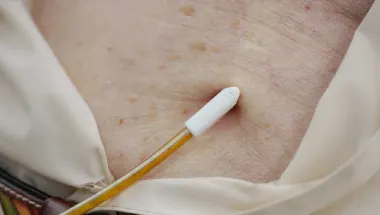
A photo of Magastoma and nutritional dust, taken from a website: www.mytube.mymnd.org.uk
Tube feeding can supplement your nutrition if you're not meeting your needs orally. You can continue to eat by mouth for as long as you feel comfortable. In some cases, tube feeding provides complete nutrition.
When you and your healthcare team decide on tube feeding, you'll receive education on the best option for your situation.
As with all procedures, the decision to undergo a gastrostomy (PEG) for a feeding tube is yours to make. When deciding, it's crucial to be well-informed about both the procedure and tube feeding.
Your decision can change, and you may request:
To get a feeding tube later. It can become more difficult to perform the procedure as symptoms worsen. It's important to discuss these matters with healthcare professionals.
To stop tube feeding. See the section on "What happens if I change my mind after the feeding tube has been placed?"
It's a good idea to talk with healthcare professionals who can answer your questions and help you make a decision. Also, if you wish, a healthcare professional can connect you with someone who has already made this decision and is currently using a PEG tube for nutrition.
Symptoms for people with MND can include:
Difficulty chewing and swallowing
Trouble eating due to reduced hand strength
Weight loss and muscle wasting from lack of nutrition
Dehydration and constipation from insufficient fluid intake
Changes in taste and reduced appetite
Lack of energy from eating and drinking less than usual
Choking on food and liquids, which can lead to pneumonia
Benefits of Tube Feeding
Tube feeding allows you to meet your nutritional and fluid needs and can potentially:
Increase your energy, maintain weight, or help you gain weight if needed
Reduce stress and anxiety if you have difficulty chewing and swallowing
Lower the risk of aspiration pneumonia
Meet fluid needs, preventing dehydration and constipation
Be a good option for administering medication
Improve your general well-being
All the points mentioned above can enhance your quality of life and comfort. However, tube feeding will not prevent or delay the progression of MND.
Risks of Tube Feeding
Problems related to tube insertion are rare. These are common procedures considered very safe. As with all procedures, there are certain immediate risks you should be aware of:
Infection
Bleeding or leakage from the wound
Discomfort or pain around the insertion site
Bloating due to air in the stomach
Shallow breathing
The risks depend on your condition and health. Get information from the Landspítali MND team.
You might be concerned that tube feeding could be difficult for your family and caregivers, adding to their burden. However, it can be a relief for them to know that you're getting all the nutrition and fluids you need. The process is simple, and everyone involved in your care will be trained in gastrostomy (PEG) care and nutrition administration.
What Happens if I Decline Tube Feeding?
Your muscle mass will continue to decline whether you receive tube feeding or not. However, if you're not eating enough and meeting your fluid and nutritional needs, you will lose weight, muscle wasting will accelerate, and dehydration will occur. You might worry about your well-being if you're not eating and drinking sufficiently. As the disease progresses, you'll feel less hunger and thirst.
Once you've explored and understood the available nutritional pathways, you can make an informed decision. If you believe tube feeding isn't the right option for you and decide not to have a tube placed, healthcare professionals will support you and your decision. They will offer recommendations regarding nutrition, fluids, and medications best suited for your circumstances.
These recommendations might include adjusting the texture of food and liquids to help you eat orally for as long as you feel comfortable.
The Landspítali MND team will support you and provide guidance if you need medication to help with feelings of hunger and thirst.
If you want to ensure that tube feeding is not initiated, even in an emergency, you can have this recorded in your Landspítali medical records.
What Happens if I Change My Mind After a Feeding Tube Has Been Placed?
Under certain circumstances, you can request to stop tube feeding. In such cases, contact the Landspítali MND team, who will assist you and record your wish in your medical record.
This section answers common questions about daily life with a feeding tube.
How long can I enjoy eating orally?
You can continue eating orally even if your breathing has worsened. However, you might be offered a gastrostomy procedure to place a feeding tube. This is done for safety, ensuring you get the tube before your breathing deteriorates and you might not be deemed fit for surgery. Once the feeding tube is in place, you can use it later if needed.
You can also continue eating orally alongside tube feeding for as long as you feel comfortable. The tube nutrition can be used as a supplement to your oral intake to meet your energy and nutritional needs. It can also be given solely as full nutrition. Your energy and nutritional needs are always assessed, and nutrition is provided accordingly and based on your wishes. A dietitian and speech-language pathologist can assist you with nutritional assessment and swallowing.
It's worth noting that tube feeding doesn't provide the same pleasure and experience as oral intake. On the other hand, it can significantly improve your quality of life when eating orally becomes difficult.
Will I gain weight if I receive tube feeding?
If you've lost weight and wish to gain it, energy-rich nutrition is provided. Subsequently, a nutritional plan is developed to maintain a weight you're comfortable with. The nutritional plan is always created in consultation with you and according to your wishes.
What about bathing, showering, or swimming?
Once the surgical wound has healed, typically 3-5 days after the procedure, you can shower. When it's fully healed, about 2-3 weeks after the surgery, you can then bathe and swim.
Does a gastrostomy affect my body image?
You might be concerned about how the gastrostomy looks, and it could potentially affect your well-being. It's not visible under clothing and shouldn't cause you any issues in daily life.
It can take some time to adjust to having a feeding tube and later a button, if you choose that option. After 8-12 weeks, the gastrostomy is healed, and you have the option of having a button inserted. The feeding tube is then removed, and a button is placed in its stead. This is done at Landspítali's endoscopy unit.
It can be helpful to talk to family, friends, or someone from the Landspítali MND team if difficult emotions arise regarding the appearance of the feeding tube. If you're concerned about your appearance when undressing, you might be able to cover the feeding tube. Seek advice from the Landspítali MND team.
Is tube feeding uncomfortable?
How people feel after receiving nutrition varies greatly. Some experience no discomfort during feeding. Others may feel bloating and reflux. You can sit, stand, or move around during feeding, depending on what's comfortable. If you're lying down, it's important to be at approximately a 45-degree incline. It's good to try to remain in an upright position for 30-60 minutes after a meal. This reduces the likelihood of reflux and potential pneumonia. A dietitian on the Landspítali MND team will assist you if you experience difficulties with your nutrition.
Is oral hygiene important if I'm exclusively tube feeding?
Oral hygiene is always important, whether you're eating orally or by tube. Plaque can build up in the mouth, so it's important to clean your teeth at least twice a day.
What about intimacy and sexual activity?
The feeding tube doesn't affect sexual function but might impact body awareness. If you have any concerns or difficult emotions regarding the feeding tube and intimacy, it's important to discuss them with your partner. You can also get assistance from a nurse with expertise in this area. You can request help from the Landspítali MND team.
Will my bowel movements change?
Any changes in diet can affect digestion and bowel movements. Bowel problems are not considered a symptom of the disease, yet many people experience difficulty with bowel movements. The reasons can be many, such as:
Weaker pelvic floor muscles
Reduced mobility
Dehydration
Low-fiber diet
Use of certain medications
Constipation or diarrhea can occur initially when tube feeding begins. It may take some time for bowel movements to normalize. Both fluid and fiber intake will be adjusted to your needs if constipation or diarrhea persist.
Contact the MND team if you have any questions regarding bowel movements.
How do I take my medications?
If you can't swallow medications, they are given through the feeding tube. The Landspítali MND team will review your medications and advise on their administration. Whenever possible, medications are given in liquid form; otherwise, tablets are crushed and dissolved in warm water. Some medications, like enteric-coated or sustained-release tablets, must not be crushed. You always need to flush the feeding tube before and after administering medications. Medications are always given separately; they should not be mixed with the nutrition.
Can I use tube feeding if I have food intolerances or allergies?
Yes, that's fine. A dietitian on the Landspítali MND team will help you find suitable nutrition. All general formulas are nut-, gluten-, and lactose-free. Specialized formulas are also available for those who need them. Please let us know if you are on a special diet.
You'll be undergoing a surgical procedure called a gastrostomy, which creates an opening in your abdomen to your stomach, leading out to the skin.
There are three main types of gastrostomy procedures:
PEG (percutaneous endoscopic gastrostomy)
RIG (radiologically inserted gastrostomy)
PIG (per-oral image guided gastrostomy)
PEG is the most common procedure performed at Landspítali's Endoscopy Unit, taking approximately 15-20 minutes. You'll be given antibiotics, sedatives, or pain medication intravenously if needed. The tube is placed with the help of an endoscope.
What do I need to know before and after a gastrostomy?
Healthcare professionals from the Neurology Department (B2), Landspítali's MND team, and the Hringbraut Endoscopy Outpatient Clinic will assist you with everything related to your gastrostomy procedure, care, nutrition administration, and follow-up.
Hospital staff and home nursing will provide all the assistance you need with gastrostomy care and tube feeding. After tube insertion, you, your family, and caregivers will receive training on starting tube feeding and gastrostomy care. You'll also get written instructions and educational materials. You or your family might be able to manage the feedings yourselves. If not, home nursing will handle the feedings and care of your gastrostomy and feeding tube.
Before your gastrostomy procedure, a dietitian from the MND team will educate you about the nutrition, use, and care of accessories, where to obtain supplies, and their cost. A nutrition plan will be created detailing the type of formula, amount, and how it will be administered—whether as meals or snacks and at what times. The nutrition plan is always developed in consultation with you. The dietitian will follow up with you once you are home via phone calls or home visits, and at the neurology outpatient clinic.
How do I care for the surgical wound after a gastrostomy?
While the surgical site is healing, it's normal to experience some pain and for a small amount of bodily fluid to leak from the area.
How is the nutrition administered?
The nutrition is liquid and comes in 500 ml and 1000 ml plastic bottles. A nutritional assessment is done, and subsequently, individualized nutritional therapy is initiated in consultation with you. The type, amount, rate, and timing of meals or snacks depend on your individual needs.
What kind of nutrition will I receive?
A dietitian will assess which nutrition is best for you at any given time.
Do I need to order the nutrition?
The MND team dietitian often places the first order, and then you take over and order subsequently. Orders are placed monthly, and if requested, the nutrition is delivered to your home free of charge.
How is the feeding tube cleaned?
It's crucial to flush the tube with water before and after each feeding, and the same applies to medication administration. This is done to keep the tube clean and prevent blockages. The volume of water for each flush depends on your individual fluid needs, in accordance with the dietitian's nutrition plan.
Does the feeding tube need to be replaced?
A gastrostomy tube lasts for several months, or even years. A nurse from the MND team or the endoscopy outpatient clinic will assess the feeding tube and determine when it needs to be replaced.
After 8-12 weeks, the gastrostomy site is healed, and you have the option of having a button inserted. The feeding tube is then removed, and a button is placed instead. This is done at Landspítali's Endoscopy Unit.
Physical and Occupational Therapy
MND affects everyone differently, but common symptoms include problems with movement, mobility, and changing body positions.
Physical therapy supports movement and function for people dealing with the consequences of injuries, illnesses, or impairments. Success is achieved through exercise and physical training, education, and counseling. While physical therapy doesn't reverse MND progression, it can help maintain mobility and well-being. Here's how physical and occupational therapy can benefit those with MND and where to find such support.
It's recommended that people with MND seek advice from their family doctor or a physical therapist before starting any organized exercise program.
MND affects nerves in the brain and spinal cord that control muscle activity, thereby weakening muscle groups. When it's difficult to move parts of the body, joints can stiffen, and muscles can contract, making daily activities increasingly difficult and sometimes painful. A physiotherapist can provide advice and suggest helpful exercises.
Once the motor neurons controlling specific muscles have weakened, it's impossible to repair them through exercises or other means. However, exercises can be beneficial in keeping weakened muscles as strong as possible.
It's also important to strengthen healthy muscles not yet affected by the disease to compensate for muscles that no longer function adequately. Regular exercises can:
Maintain muscle flexibility.
Increase joint movement.
Prevent muscles from shortening and contracting.
Exercises can also be beneficial in:
Maintaining mobility for as long as possible by preventing muscles and joints from stiffening.
Maintaining the greatest possible range of motion in joints and supporting posture and balance.
Maintaining well-being and reducing problems related to weak muscles and stiff joints.
Supporting blood circulation with active muscle movements.
Prolonging the ability to dress independently or perform manageable daily tasks.
A physiotherapist's assessment is very important to ensure that exercises meet your needs.
What do physiotherapists do?
Physiotherapists assist by:
Providing advice on posture and positioning.
Creating an exercise plan tailored to each individual's needs and abilities.
Advising on different ways to compensate for lack of mobility and conserve energy, for example, by using assistive devices.
Providing advice on breathing techniques to clear the lungs and conserve energy.
Showing your caregivers how to help with exercises and advising them on safe movements and techniques.
Providing advice on coping with falls.
Advising on ways to cope with chronic fatigue.
The physiotherapist provides long-term support and helps maintain independence and well-being for as long as possible as needs change.
What exercises should I do?
Your physiotherapist will tailor exercises to your needs. Generally, no two people with MND receive exactly the same physiotherapy because people's needs can be highly individual. Other problems or injuries unrelated to MND can also affect treatment.
Each physiotherapist works in their own way, although much of their work is common. The plan is likely to include:
Exercises aimed at maintaining the greatest possible joint mobility. Such exercises are usually performed systematically, where the joints of one limb are trained in a specific sequence before moving on to the next limb, and so on. The goal is to move all affected joints as much as they are capable of to prevent them from stiffening. Such exercises are called range of motion exercises.
Massage and other manual techniques are intended to improve circulation, reduce pain, promote relaxation, enhance muscle tone, and reduce stiffness and tightness.
Breathing techniques can facilitate breathing and help clear the lungs.
Exercises are performed to achieve the best possible mobility and posture at all stages of the disease. Exercises can be divided into three types:
Active exercises when muscles can be moved fully without assistance.
Active-assisted exercises when muscles cannot be moved fully without assistance.
Passive exercises and stretching exercises when movement is not possible. In this case, an assistant guides the joints through movements by supporting and moving the limb.
Even though MND progresses and cannot be stopped, range of motion exercises in the early stages of MND can maintain and even increase mobility for a time.
People are encouraged to perform the exercises suggested by the physiotherapist themselves for as long as they can. Over time, exercises may need to be performed with less activity than before or with assistance. They can nevertheless counteract joint stiffness and muscle shortening. The physiotherapist can give your caregivers good advice on assistance if needed.
How much can I exercise?
The amount of exercise you can do depends on various factors, such as:
How much you exercised before the diagnosis.
How quickly your needs change.
The support of a physiotherapist is a certain guarantee that your exercise plan is tailored to your needs.
If symptoms are mild to moderate, performing mild to moderately strenuous exercises can be beneficial. Exercises don't necessarily have to take place in a gym.
You know your body best and should not do anything more than what you feel you can comfortably manage. It is not advisable to perform high-intensity exercises, as this can increase the risk of injury and weaken muscles and joints.
No exercise should cause pain. If pain occurs, you should stop the exercise and seek advice from your physiotherapist. You might not be performing the exercise correctly, or the plan may need to be changed. If pain is persistent, you should consult your general practitioner.
What if I feel fatigued?
There is some evidence that it can be positive for people with MND to continue exercising until they feel a certain level of fatigue. However, MND can cause chronic fatigue, which is different from the occasional tiredness we all experience. Chronic fatigue is defined as persistent and overwhelming fatigue that is not relieved by sleep or rest.
It's important to know your limitations, as chronic fatigue reduces energy and weakens you, making it harder to perform daily activities. Among other things, excessive exercise should be avoided, even if it is passive. This is especially important as the disease progresses, and even light exercises can cause strain if not done correctly.
If you find that exercises tire you too much, it can be helpful to spread them throughout the day to conserve energy for other necessary tasks.
Make sure to rest well between exercises if you feel chronic fatigue, otherwise, your body will take longer to recover.
How often do I need to see a physiotherapist?
This depends on your needs and how services are structured in your area. However, physiotherapists generally prefer long-term support and regular reviews of your needs. Needs change with MND, and the plan needs to be adapted.
It might be useful to stay in touch with your physiotherapist via email or phone, if possible, to answer your questions and those of your caregiver.
Where can I get physiotherapy?
Physiotherapy can be obtained at a hospital, a primary healthcare center, or a palliative care unit. Some practitioners make home visits if people have difficulty getting around.
Is there a connection between physiotherapy and occupational therapy?
Physiotherapists have much in common with occupational therapists, and they often work together.
Physiotherapists primarily deal with physical injuries or problems affecting muscles, joints, or limbs. They provide physical treatment to maintain or enhance mobility. They can recommend or help organize the use of specific assistive devices.
Occupational therapists help people be as independent as possible. They do this by:
Providing equipment for activities of daily living.
Adapting the home to people's needs.
Providing information on various ways to perform daily tasks.
People with MND will most likely meet both a physiotherapist and an occupational therapist. The collaboration between these professionals can be very beneficial, as both physiotherapy and occupational therapy can contribute to longer-term independence and increased quality of life. If you haven't yet met an occupational therapist but think it might be helpful, contact the MND team.
What assistive devices might I need?
Physiotherapy can enable you to maintain independence, but MND is nevertheless a progressive disease, and it's likely that a time will come when you need assistive devices. A physiotherapist, occupational therapist, and healthcare center staff can provide such equipment, but you can also purchase it yourself.
Assistive devices and equipment can be used to extend or improve:
Independence in daily tasks and activities, e.g., specially designed tools and utensils.
Mobility, such as ankle and foot support, walkers, and wheelchairs.
Comfort and posture, e.g., lift-and-recline chairs and adjustable beds.
Physical well-being, e.g., head pillows if muscles in the neck, shoulders, or back have weakened.
Continuous support from physiotherapists and occupational therapists ensures that appropriate equipment is available at all stages of the disease. They can also refer you to other specialists who can provide assistive devices, e.g., an orthotist who assists with the assessment and selection of foot supports (orthoses).
Getting a referral to a physiotherapist ensures you receive the right advice on mobility, exercises, and posture as early as needed.
When you're diagnosed with MND, the MND team might refer you to a physiotherapist as part of a general medical assessment. You can also ask your family doctor for a referral or book an appointment on your own. Physiotherapy can be arranged in various ways, depending on where you live.
The MND team or primary healthcare professionals typically refer individuals to the appropriate physiotherapy services.
Not all physiotherapists have experience with MND. Specialization and experience in neuro-physiotherapy ensure a more detailed approach to specific movement challenges. When you get a referral, it's good to discuss how to find the most suitable physiotherapist.
Referrals
Referral from a family doctor: You can book an appointment with your family doctor and ask for a referral to a physiotherapist with knowledge and experience in MND or neuro-physiotherapy.
Referral from the MND team: Many people with MND are connected to the MND team. They offer coordinated care from a multidisciplinary team for individuals with MND, assessing the need for appropriate treatment, including referrals to specialized physiotherapy services.
Palliative Care Unit: Sometimes, you can receive physiotherapy at a palliative care unit.
Arranging Physiotherapy Yourself
Often, you can book appointments with specialists without a referral. This applies to physiotherapy and various other healthcare services. Your family doctor or the MND team can tell you if a referral is necessary.
Insurance and Coverage
Employee Health Insurance: Some employers and professional associations offer their staff or members financial support for physiotherapy. Check your rights and eligibility with your employer and/or professional association.
Private Health Insurance: Many people have purchased health and accident insurance from private companies, and physiotherapy is sometimes included. Check your entitlements with your insurance provider.
What Happens During the Assessment?
It's crucial that all assessments are performed by a qualified and registered physiotherapist and that the treatment aligns with your needs.
During the assessment, the physiotherapist generally considers:
Muscle tension and muscle strength.
Movements you can perform independently or with assistance.
Balance and posture.
Your ability to move around and perform daily activities to assess if better solutions are available.
Breathing difficulties and chronic fatigue.
Safety in transfers and handling if you need assistance with movement and mobility.
Some individuals experience stinging sensations, pain, cramps, and stiffness, which can sometimes be uncomfortable. This condition may worsen with prolonged immobility or sitting. A physiotherapist or family doctor can offer various solutions for pain, such as:
TENS therapy (Transcutaneous electrical nerve stimulation): A small device that sends electrical currents to stimulate the body's natural defenses against pain.
Cold or heat therapy applied to the painful area.
Pain medication.
Other Therapies
Other therapies may help some people with MND reduce certain symptoms. You can try various treatments like massage, acupuncture, and reflexology.
Hydrotherapy
Hydrotherapy (treatment in water) can provide excellent support for training, especially assisted and passive exercises. Water can reduce stress on joints and positively affect breathing, circulation, digestion, and promote overall well-being.
Hydrotherapy for neurological conditions isn't available everywhere, but it's worth asking your family doctor or the MND team if a referral is possible. Physiotherapists can advise you on which treatments and training might be suitable for you.
Supporting Individuals When MND Affects Cognition
Information for Caregivers of Individuals with MND
Up to half of individuals with MND experience changes in thinking and behavior, though the effects can manifest in various ways. For many, these changes are subtle and have little impact on daily life. For some, however, the changes can be more pronounced. This group will require increased support with daily activities.
If you are a caregiver for someone with MND, you might wonder what to expect if the disease begins to affect their cognition. This section covers potential changes and how to access support and interventions that might be beneficial.
Here are some terms professionals use when discussing changes in thinking and behavior:
Aphasia: Using incorrect sounds or words in speech and writing.
Cognition: All mental abilities and knowledge, including memory, language, attention, problem-solving, decision-making, and thought.
Disinhibition: Behavior that others find inappropriate and that individuals may have difficulty stopping.
Echolalia: Repeating a word or sound that was heard.
Emotional lability: Emotional dysregulation. When people laugh or cry inappropriately. It can be difficult to stop, and the reactions are not in proportion to the emotions.
Frontotemporal dementia: A specific type of neurodegeneration affecting thinking, behavior, and language use.
Impulsivity: Reacting without considering consequences, including risky or dangerous behavior and snap decisions.
Mental capacity: The ability to make and communicate decisions.
Perseveration: Continually repeating words, phrases, or movements.
Changes in cognition can range from subtle to more severe. Individuals experiencing such changes might struggle with:
Thinking and learning
Language and communication
Behavior and emotions
The individual with MND may not notice these changes themselves, but you or a loved one might be the first to observe them. If you notice the changes described here, it's advisable to contact the MND team.
Occasionally, frontotemporal dementia can develop, which can significantly impact daily life and require increased support.
What else can cause changes in thinking and behavior?
Other health problems can cause temporary changes in thinking and behavior. It's important to identify them because they can often be reversed. Get advice from the MND team if you suspect the individual is dealing with:
Dehydration, especially if eating and drinking have become difficult.
Sleep disturbances due to stress, discomfort, etc.
Breathing difficulties.
Infections, particularly in the lungs or bladder.
Medication side effects.
Sadness or depression.
It can be challenging to determine if cognitive changes have occurred when MND affects communication.
How can thinking and learning change?
Changes in thinking and learning can manifest in various ways, making it harder to:
Plan and follow through with plans.
Come up with ideas.
Perform actions in the correct sequence.
Do more than one thing at a time.
Process information and solve problems.
Make decisions and understand their consequences.
Concentrate and learn new information.
Complete tasks.
Understand others' feelings.
What changes can affect language and communication?
An individual with MND might struggle with speech and language due to the physical effects of the disease. However, problems with language and communication could also be linked to cognitive changes.
It has been observed that individuals with MND:
Take longer to express themselves.
Need to think more about what was said and how to respond.
Have trouble finding specific words.
Struggle to spell words.
Find it increasingly difficult to recognize words when reading or writing.
Have difficulty following conversations and understanding what is being said.
What changes can affect behavior?
Behavioral changes might manifest as:
Difficulty controlling emotions, including aggression and irritability.
Lack of initiative and decreased interest.
Inappropriate behavior in social settings.
Repetitive behavior, doing the same thing over and over.
Self-centeredness and indifference to others' feelings.
Decisions made based on emotions, leading to greater risk-taking.
Loss of control over food consumption (overeating and sugar cravings) and changes in food preferences.
People's emotions can become complex and difficult following an MND diagnosis. These are normal reactions to difficult circumstances and not the same as the cognitive changes mentioned above.
Emotional Lability
This is a symptom some individuals with MND experience. People might laugh or cry at inappropriate moments without it reflecting their true feelings. It's difficult to stop, and this can cause distress. Sometimes these are temporary symptoms that diminish over time.
It's easier to cope with these reactions if people are aware of the problem's symptoms and inform others about them. If the problem is persistent and distressing, you can contact the MND team, as medication can help alleviate the issue.
People with MND are more likely to experience disinhibition if the disease affects cognition. However, disinhibition alone is not necessarily a symptom of cognitive changes.
A small percentage of people with MND develop frontotemporal dementia (FTD). FTD causes a progressively worsening condition, and the affected individual may not be aware of the changes.
FTD can significantly impact an individual's independence, social interactions, and daily life, as well as their family and caregivers.
It's important to recognize that FTD has different symptoms than Alzheimer's, which is the most common type of dementia. FTD generally does not affect memory. However, some patients might appear to struggle with memory due to difficulties concentrating and absorbing new information.
What Causes Frontotemporal Dementia?
FTD is attributed to changes in the frontal and temporal lobes of the brain, causing brain cells to die faster than normal. In some cases, the condition is hereditary. About one-third of those who develop FTD have a genetic mutation that is inherited. Other causes of FTD are unknown.
If you fear that an individual with MND might have hereditary FTD, consult their neurologist.
How Does Frontotemporal Dementia Manifest?
FTD primarily affects behavior, thinking, and speech. The changes are similar to those already described on this information page, but they are more pronounced and require greater support. People with FTD are not always aware of the changes they are undergoing.
FTD can affect an individual's ability to make decisions, and it may reach a point where they can no longer make or communicate them to others. It might be helpful to assist the individual in preparing and ensuring their wishes are known and respected in the later stages of the disease.
There is no known cure for FTD, but various things can be done to help. The following points might be beneficial:
A calm environment.
Consistent routines.
Support arrangements that increase as needs change.
Ensuring home safety with advice from the MND team.
Avoiding isolation and maintaining social connections.
Medication.
Good planning.
Ensuring caregivers understand the individual's needs.
Support for caregivers.
How Can Frontotemporal Dementia Affect Caregivers?
The symptoms of FTD in individuals with MND affect care and caregivers. Simple daily tasks become more difficult and can cause anxiety and stress. The need for care increases, making it crucial to ensure appropriate support.
It's important to talk to healthcare professionals about any changes in a person's thinking, speech, or behavior to get the right support.
How to Get a Diagnosis
If you suspect an individual with MND has frontotemporal dementia, contact a neurologist or the MND team.
There isn't a single test to diagnose these changes. Initially, it might be impossible to get a definitive diagnosis, as it can take time for the changes to become obvious.
Who Can Help Individuals Experiencing Cognitive Changes?
Occupational Therapist
Occupational therapists support people in being as independent as possible. They help implement home modifications and show individuals various ways to simplify daily activities.
Speech-Language Pathologist
Speech-language pathologists assess speech, swallowing, and communication abilities. They also provide advice on communication aids.
Social Worker
A social worker provides advice on social rights. It's crucial for the individual to receive adequate support and guidance.
The role of a caregiver is demanding, and it's essential to look after your own needs, which can be challenging amidst busy schedules. If you don't get enough rest, it could lead to you being unable to continue providing care.
Seek advice and support from your primary healthcare provider or the MND team.
How can Respite Stays Benefit Me?
Caring for someone with MND can be difficult and demanding. A respite stay for the person you're assisting can provide you with a break from caregiving, allowing you to rest, take a vacation, or do other things. Sometimes friends or relatives can step in to provide temporary relief.
You can also access home and social services, and apply for daycare and personal assistance from your local municipality.
It might be easier for you to plan a respite stay well in advance.
How Can Care at a Nursing Home Benefit Me?
There may come a time when the person you're assisting needs more care than can reasonably be provided at home, and in that situation, a nursing home might be considered.
This decision can be difficult for everyone involved, but sometimes more specialized services are required.
If you're considering a nursing home stay, contact a nurse at your primary healthcare center or the MND team. Applications for permanent residency go through the Capital Region's Committee for Functional and Health Assessment.
Not all suggestions in this information may be suitable for everyone or always appropriate. People may need very different support based on how the disease changes and affects the individual. Always seek advice from the MND team.
A few tips to help you:
Model the behavior you want to encourage.
Aim for structured routines and one task at a time.
Remind often with a calm tone and patience.
Break down complex information into smaller parts.
Recognize that changes in behavior and thinking are due to the disease state, and avoid taking what is said or done personally.
How can I ensure the individual's safety?
When an individual's thinking changes, they might need help ensuring their safety. If they don't recognize risks, they might react without considering the consequences.
Driving
Authorities need to be informed about driving licenses if people are diagnosed with MND or dementia. Discuss with a primary healthcare doctor whether the individual should continue driving while awaiting confirmation from the relevant district commissioner. It is illegal not to disclose such a disease and can lead to fines or prosecution if the individual causes an accident due to it.
Home Safety
Seek advice from an occupational therapist, as they assess the need for assistive devices and apply for them from Iceland Health (Sjúkratryggingar Íslands). Consider storing hazardous materials and household appliances in a safe place to ensure safety. Make sure home safety equipment functions as intended. Smoke detectors and carbon monoxide detectors are essential devices.
Safety Outside the Home
Whether an individual needs an escort when traveling outside the home depends on their individual needs. There can be a certain risk that some individuals may not prioritize their safety outdoors. Ensure the individual always carries some form of identification. Medical ID bracelets (e.g., MedicAlert) or information cards can be obtained. This can be helpful if the individual gets separated from their escort.
What can help people with concentration?
If lack of concentration is a problem, it might be helpful to:
Sit in a quiet place and ensure nothing in the environment is distracting.
Ensure the individual is as comfortable as possible.
Adjust temperature and lighting to the individual's needs.
Encourage people to take regular breaks from what they are working on.
How can I support people with self-care?
Sometimes people stop prioritizing personal hygiene. There's a possibility that hygiene products are used incorrectly, or tasks aren't done in the right order (e.g., drying oneself before rinsing off soap).
It might be helpful to:
Agree beforehand on when and how you remind people to attend to their personal hygiene.
Put pictures on bottles and containers to help people use them correctly.
Store hygiene products containing toxins, such as aerosols, out of reach.
Seek advice from an occupational therapist and get their support.
How can I assist with communication?
Communication can be complex if an individual struggles to find the right words and has difficulty following what is being said. Some people with frontotemporal dementia may find it hard to understand facial expressions and show fewer expressions themselves than before. This can make it difficult for both parties to identify each other's emotions, complicating all direct communication.
The following can be helpful:
Give people enough time to process information and check if they have understood it.
Limit choices to one or two options and avoid open-ended questions.
Speak slowly and keep sentences short.
Use pictures or gestures to support what you are saying and encourage the individual to do the same.
Request a referral to a speech-language pathologist for advice.
How can I support an individual exhibiting undesirable behavior?
Sometimes a patient might do or say things that are embarrassing or cause stress or discomfort. This can become difficult for everyone involved.
It might be helpful to:
Ensure people understand that such behavior is part of the disease.
Try to identify anything that might cause these behaviors and avoid those situations.
Keep the environment as calm and predictable as possible.
Ask the individual how you should support them in such situations.
If none of this works, discuss with a doctor whether medication might be helpful.
How can I support an individual in planning for the future?
Individuals with chronic severe illnesses fear losing control and being unable to make or communicate decisions. Planning for the future can contribute to greater peace of mind and may be especially important if cognitive changes occur.
Discussion about the future
It is important to discuss wishes regarding care and treatment and to document them.
Advance decision to refuse treatment
A legally valid document can be prepared stating what medical treatment the individual does not wish to receive and under what circumstances later on. It only becomes effective when the individual can no longer make such decisions or communicate them to others. A living will cannot be used to request treatment to hasten the end of life, but it can involve refusing treatment to maintain or prolong life. A living will can be changed or revoked at any time.
MND Pain Management
Pain isn't a primary symptom of MND. However, reduced mobility, stiffness, or muscle cramps can cause pain. The presence and location of pain in people with MND vary from person to person.
MND impacts motor neurons, which transmit messages from the brain to voluntary muscles. The disease damages these motor neurons, preventing messages from reaching their destination. As a result, muscles don't move as intended. This leads to muscle atrophy, weakness, and potentially stiffness, which can cause pain.
Pain can manifest at any stage of the disease, early or late, and can vary in intensity. Some individuals with MND may not experience pain at all.
As mobility decreases, joints become stiffer, making it harder to adjust from uncomfortable positions. Changes in posture can also lead to strain on joints and muscles.
You're most likely to experience pain in your legs, arms, shoulders, neck, back, abdomen, jaw, or tongue. Possible symptoms include:
Cramps that usually last for a short time.
Painful muscle spasms, especially when stretching.
General aches.
Itching.
The risk of falls and injuries increases when muscle strength decreases. Try not to overexert yourself to avoid falling.
Morning headaches might indicate changes in breathing capacity. You can find more information about these symptoms in the section on breathing and respiratory support.
Chronic pain can impact your mood, overall activity, and quality of life. Discuss your feelings and seek advice from your neurologist and/or the MND team.
As mentioned above, it is good to discuss your pain with a professional MND team who knows the disease well. Questions about pain are part of the monitoring of symptoms. The health care provider and the general practitioner can also provide support and assistance for pain if you choose to go there.
Those diagnosed with MND meet with a physiotherapist early in the process. He or she will assess the need for physiotherapy and where that service is provided. Physical training can include:
Reduced stiffness
Reduced pain
Reduce discomfort or pain due to lack of movement, changes in body posture or stiff muscles and joints
Helped with passive exercises or moving limbs.
Physical therapy does not compensate for muscle atrophy that has already occurred but it can maintain or increase strength of muscle groups that are still present. Physical therapy can also maintain or increase the dynamic range of joints and reduce stiffness.
Physical or occupational therapists sometimes recommend the use of braces on the leg or arm. Braces are made of a rigid material that supports the limb and keeps it boneless and in the right position. Braces can maintain mobility and reduce joint stiffness.
See further information in the section on physical and occupational therapy.
Pain can be reduced with medicines.
Medicine can be given for convulsions or muscle spasms, e.g. with muscle relaxants.
Traditional painkillers on the market, such as paracetamol and ibuprofen, can be a useful
Always consult your doctor or specialist before taking any pain medicine, whether it be house remedies, non-sale medicines or prescribed medicines.
All those diagnosed with MND disease are offered support and counseling by the MND team at Landspítali University Hospital.
The progress of MND is variable between individuals and therefore it is important to get an assessment from the MND team early in the process.
The team is multidisciplinary and includes 9 professions specialized in the care of MND patients.
The team is led by the neurology department at Landspítali in Fossvogur.
It provides counselling to individuals with MND and also those who provide services to MND patients all over the country.
More information can be found at MND team website.
Useful practical information
More about MND team on MND team website
More about HÖT team on HÖT team website