
Landspitali - University Hospital
Labour Hopscotch – Preparing the Mind and Body for a Positive Birth Experience
The content on this page has been translated using Artificial Intelligence (AI). If there are discrepancies in meaning between the English and Icelandic versions, the Icelandic version is the authoritative version.
About The Labour Hopscotch project
The Labour Hopscotch project began as a pilot program at the maternity ward of the National Maternity Hospital in Dublin, Ireland, under the supervision of midwife Sinead Thompson. The aim of the project was to encourage women and their birth partners to prepare for childbirth and to promote greater activity during pregnancy and labour.
After the project was implemented, it was found that women’s experiences of childbirth became more positive. They were more likely to go into labour spontaneously, and the need for epidural anaesthesia or caesarean section decreased.
The Labour Hopscotch has now been introduced in almost all maternity units in Ireland, as well as in several other locations across Europe.
Most elements of the Labour Hopscotch are familiar, such as regular exercise and the importance of breathing and relaxation techniques. It is recommended to start using the Labour Hopscotch during pregnancy to help prepare the body for childbirth, making it easier to use the exercises once labour begins.
Fæðingarparís lóðrétt A3 fyrir prent
Sometimes, birth is compared to a marathon. No one embarks on such a long race without preparation – and the same applies to childbirth. The Labour Hopscotch provides a framework for mental, physical, and emotional preparation, helping to make the uncertain journey of birth an empowering experience.
The presentation of the Labour Hopscotch is intended as a motivational guide. It’s recommended to start using the Labour Hopscotch from around the 20th week of pregnancy.
The Labour Hopscotch encourages you to begin with simple exercises and gradually build upon them, where each step introduces new techniques and coping strategies. Its goal is to inspire activities and practices that can support and ease childbirth.
During pregnancy, the focus is on the first three steps of the Labour Hopscotch, encouraging regular movement to prepare the body for birth, while also emphasizing the importance of breathing and relaxation. Each step can be viewed as a 20-minute session, offering different ideas and exercises in an accessible way. The suggested durations are meant only as guidance.
When labour begins, all steps of the Labour Hopscotch can be used. You can move between them freely and choose the techniques that feel most comfortable. The most important thing is to stay open to different approaches, use a variety of coping strategies, and listen to your own body.
It is good for the support partner to provide encouragement and take part in preparing for the birth, as this will be helpful during the birth itself.
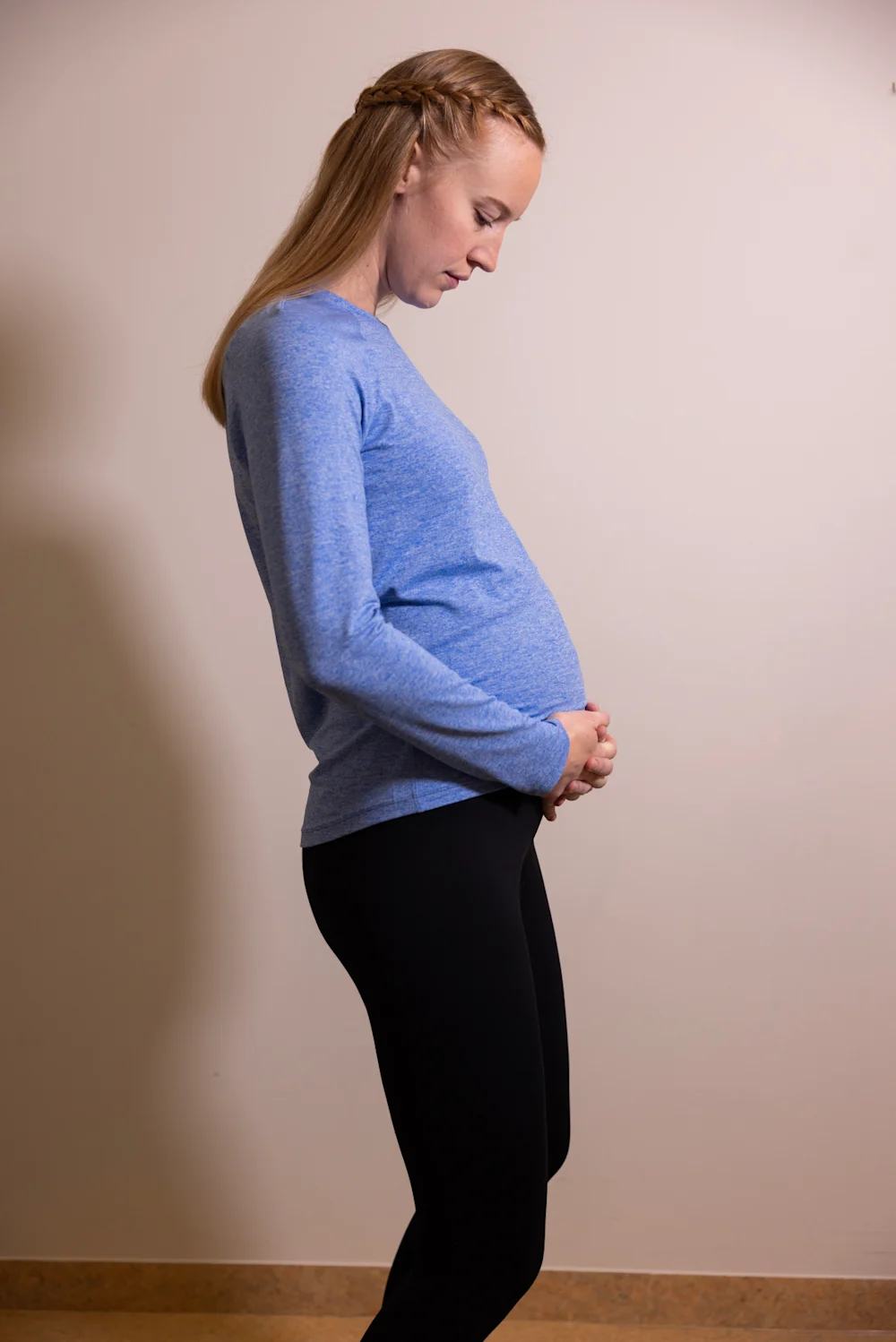
Take some time each day to do relaxation exercises and prepare yourselves physically for the birth. Enjoy the pregnancy and connect with your baby.
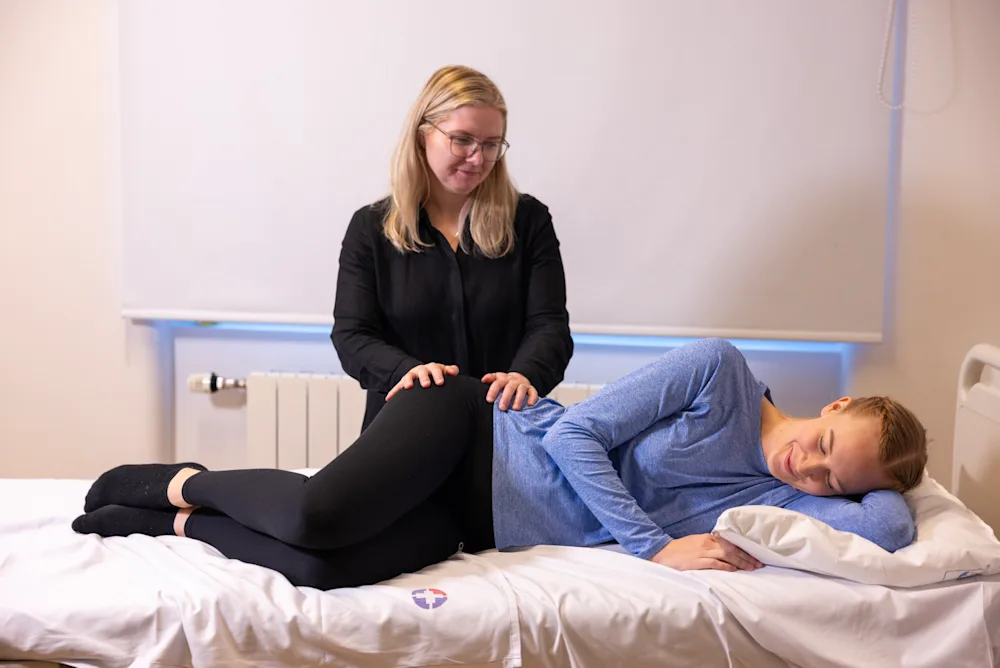
One of the main goals is to help the baby move into the most favorable position in the pelvis.
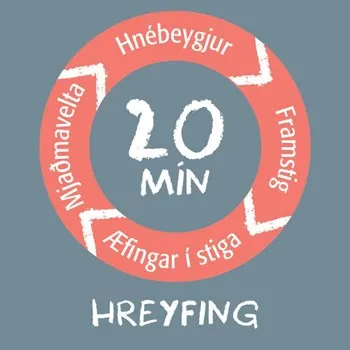
The first square of the Labour Hopscotch focuses on mobilisation. We recommend exercises like squats, lunges, stair climbing, and hip rotations. The pelvis opens more effectively when a woman exercises regularly during pregnancy. Consistent movement during pregnancy can prevent tension and stiffness in soft tissues and promote the baby's optimal position in the pelvis. Therefore, exercise during pregnancy is important, and we suggest doing these exercises regularly from the 20th week of pregnancy.
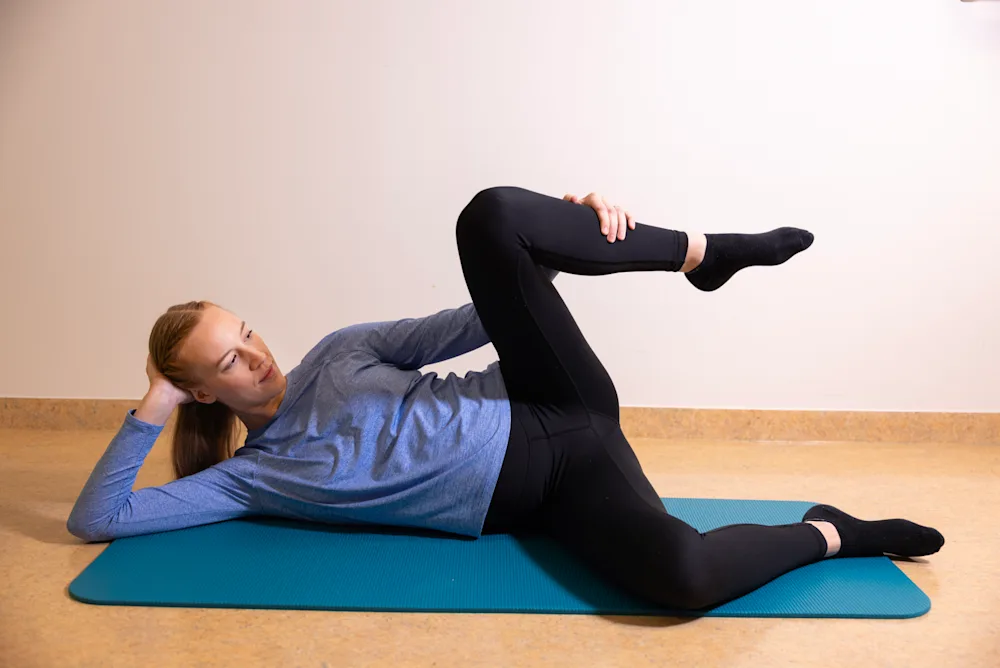
The pelvis will open up better if you exercise regularly during pregnancy.
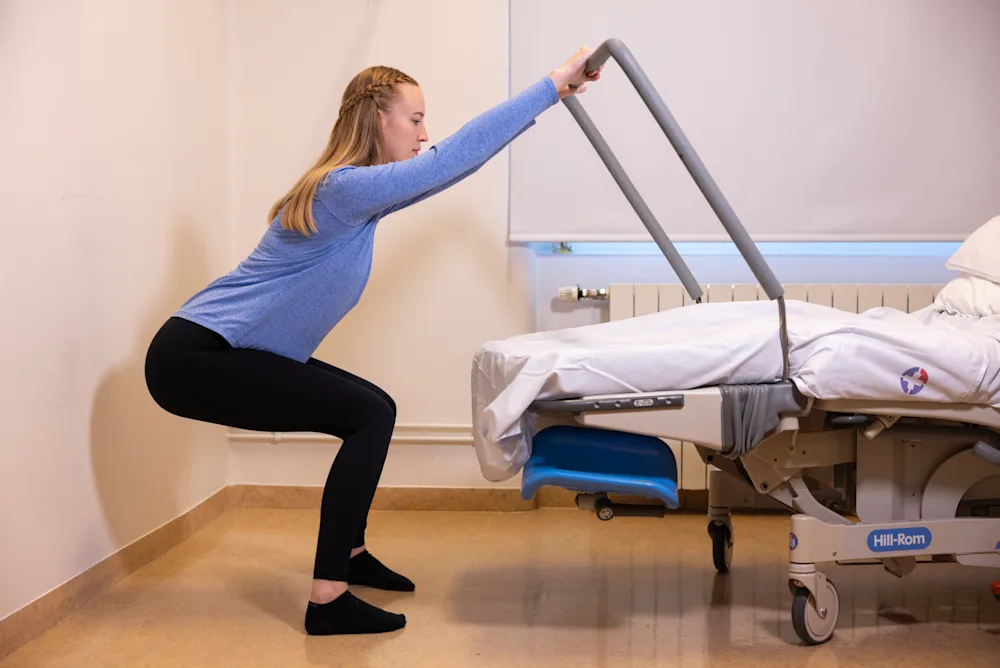
Knee-bending with a supporting rod
Movement can also increase well-being and reduce pain during childbirth. The baby's position in the pelvis can affect the progress of labor. Different movements and positions can help open the pelvis, which in turn can help the baby get into a favorable position for birth. The most suitable positions may vary depending on the stage of labor. Gravity can also help the baby descend into the pelvis more effectively and sooner.
At the beginning of labor and during birth itself, it's recommended to listen to your body and follow your intuition to the best of your ability. A good tip is to change positions regularly.
Pelvic Movement: Link to video
Rest during labor is also crucial. Sometimes, a short nap between contractions can be energizing and helpful.
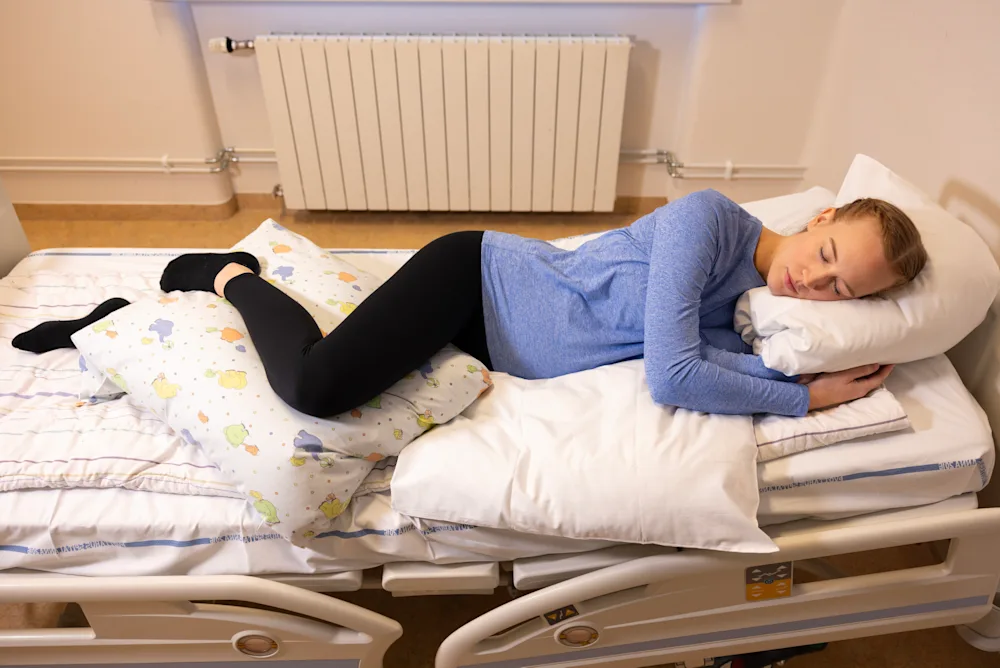
Rest – have settled in
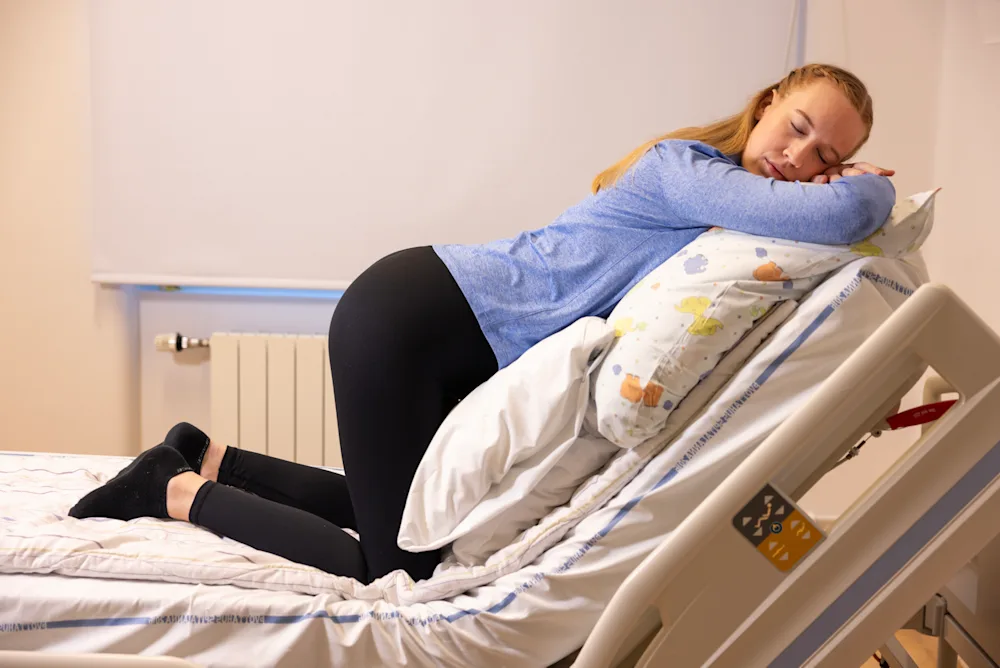
Rest – on four legs
Further explanations of the recommended exercises during pregnancy and childbirth can be seen in these videos:

A yoga ball or a birthing ball can help increase activity in labor and reduce the perception of pain. The birth ball further encourages an upright position during labor, which can help the baby descend more effectively into the pelvis.
This section emphasizes using a yoga ball in various ways (see images/videos). It also reminds you to use relaxation, positive thoughts/affirmations, and visual imagery to cope with contractions.
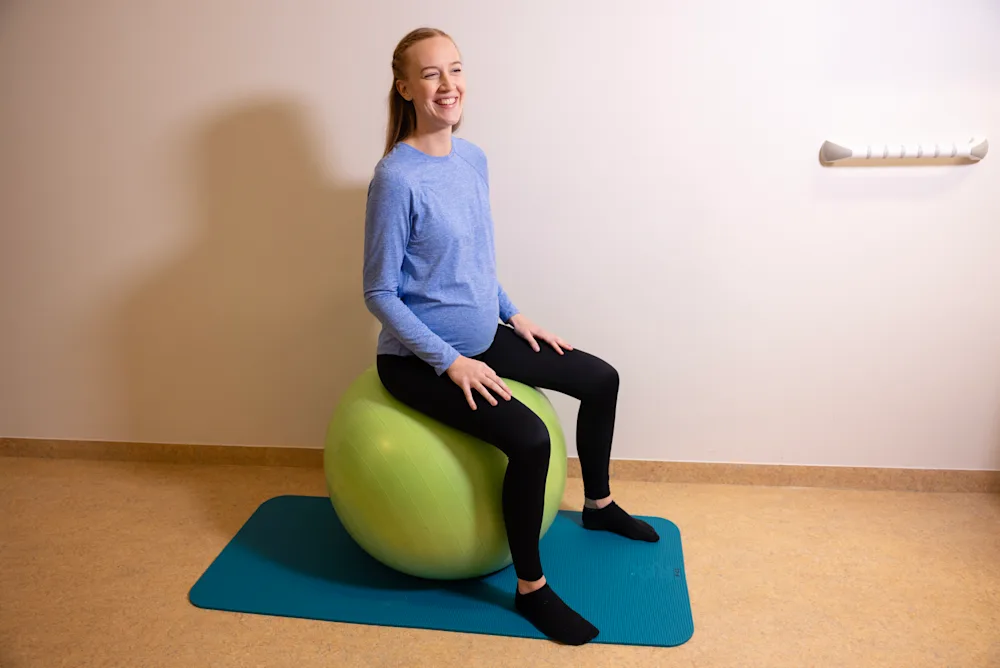
Sitting on a yoga ball - correct position - hips higher than knees - sit bones - right from the spine - both feet on the floor.
Video on sitting on a birthing ball
Using positive statements in prenatal and postpartum preparation is useful and has a positive effect on the well-being, thoughts and birth experience.
Feeling good and positive thinking
"Your emotions and attitude can influence your ability to cope with pain during labor. Positive thinking is crucial for your well-being, as is understanding and trusting the birth process. Various methods exist to cultivate positive thinking, and you might already know what works well for you. Some use meditation, relaxation, yoga, music, or prayer; others find it helpful to say positive affirmations aloud, for example: 'My body is strong,' or 'I can do this.' Most of these methods require preparation and practice to be effective for pain management during childbirth. These methods can be used anywhere." (Valgerður Lísa Sigurðardóttir, 2010, Icelandic Midwives' Association Brochure Series: Non-Pharmacological Pain Management)
Examples of Positive Affirmations:
I am stronger than I think.
I have what I need to get through this.
I am powerful and brave.
I allow my body to open and bring my baby into the world.
Good, strong contractions help my baby come into the world.
Each contraction brings me closer to my baby.
I trust my body and my baby to know what to do.
I carry the strength of my ancestors.
(Inhale) I trust my body, (Exhale) I trust my baby.
I let my baby descend.
I release stress and fear, I welcome calm and safety.
I control how I think, how I act, and how I feel.
I can handle feeling uncomfortable.
Find your own words that resonate with you and help you; what works today might be different tomorrow.
Relaxation exercises, meditation, and breathing exercises can reduce physical and mental tension and stress. Doing regular relaxation exercises during pregnancy and practicing breathing is good preparation for birth and can positively impact your well-being.
You can find useful relaxation exercises, breathing exercises, and guided imagery meditations online.

In this area, which is dedicated to the yoga mat, the focus is on movement and massage/TENS.
Video: Yoga Mat - Massage
A TENS machine is a small electrical stimulation device sometimes used for pain management in labor; it's often very effective in the early stages of labor. The treatment involves placing electrodes connected to the device on the body, and the user delivers an electrical current to reduce pain. TENS machines can be both rented or purchased.
Being on all fours, whether on a yoga mat, in bed, or in the bath, is a very good and helpful position during labor. It can also be beneficial to regularly change positions, for example, trying lunges and other stances. It's good to listen to your body and follow your intuition. Follow your body's lead and find what helps you best at any given time. The most suitable positions may also vary depending on where you are in the labor process.
On the Spinning Babies® website, https://www.spinningbabies.com, you can find various exercises that are good to do on a yoga mat during pregnancy and labor to help the baby get into a good position in the pelvis.
See also pictures and videos
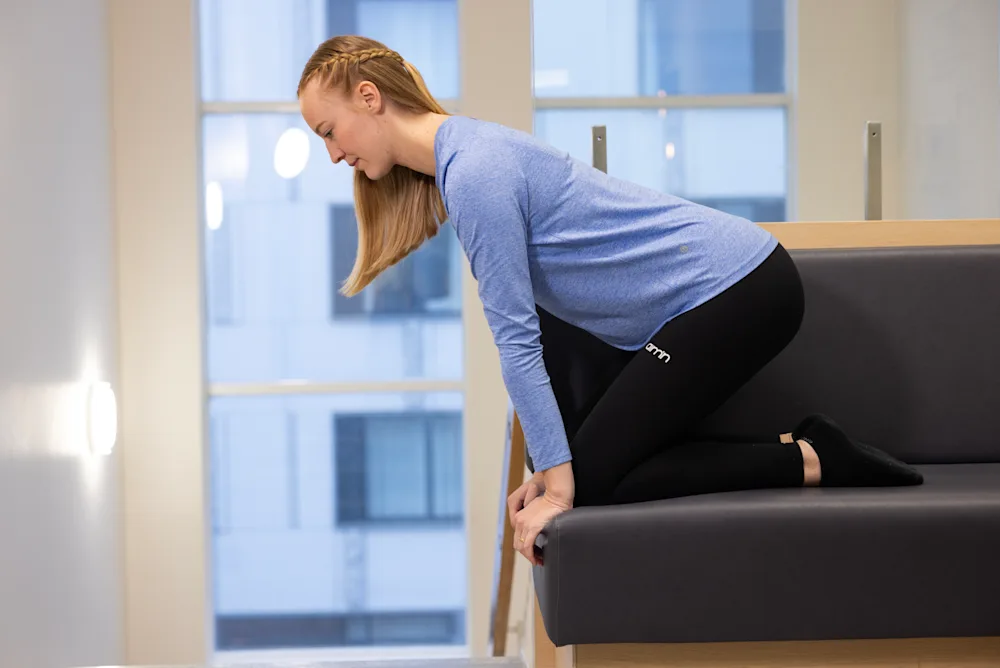
Balance exercises
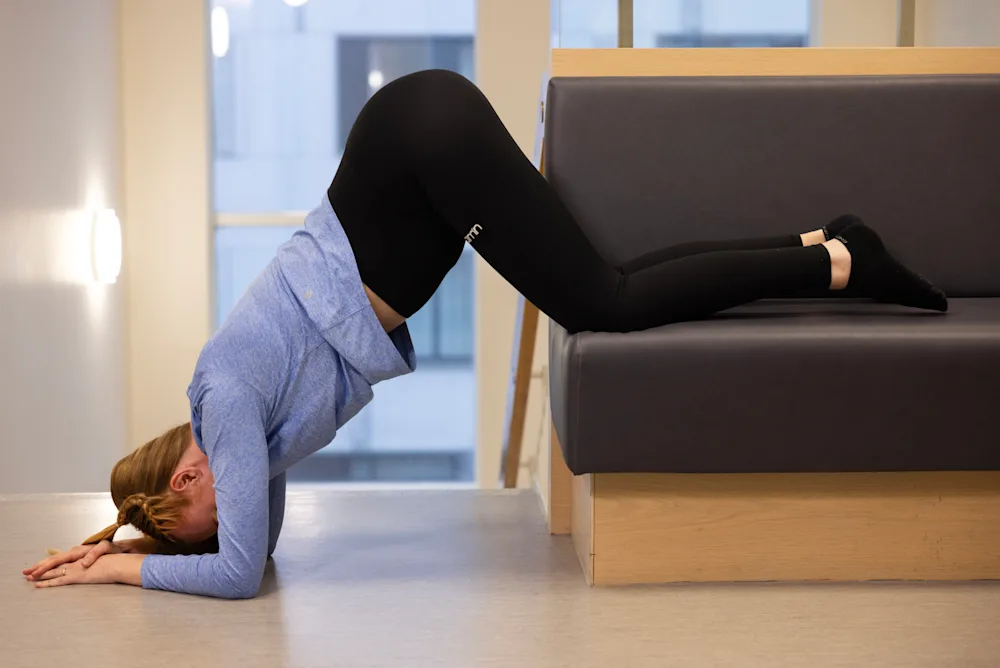
Balance exercises
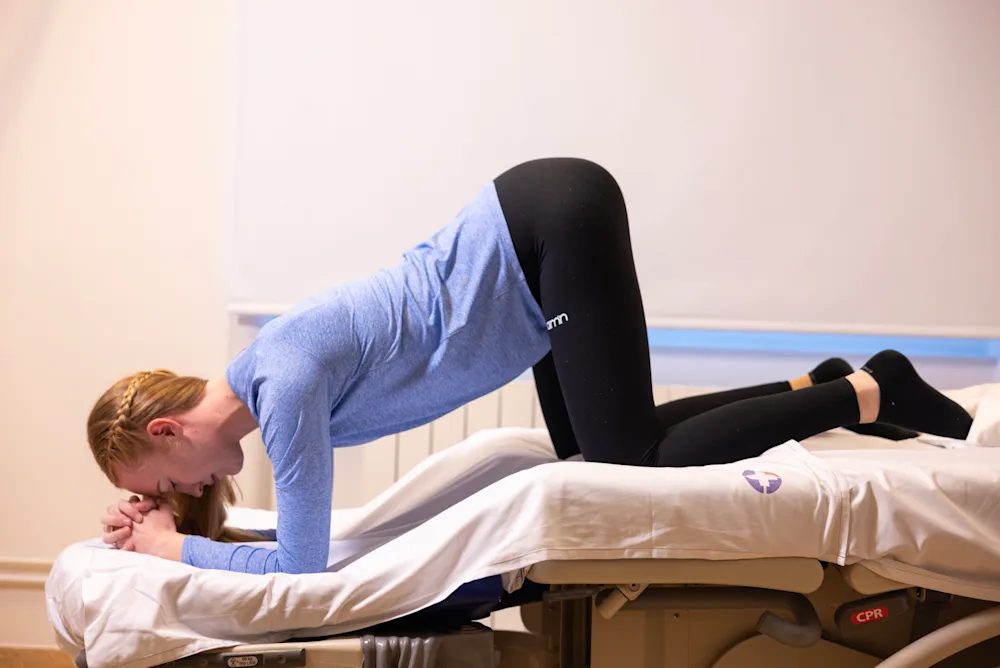
Balance exercises
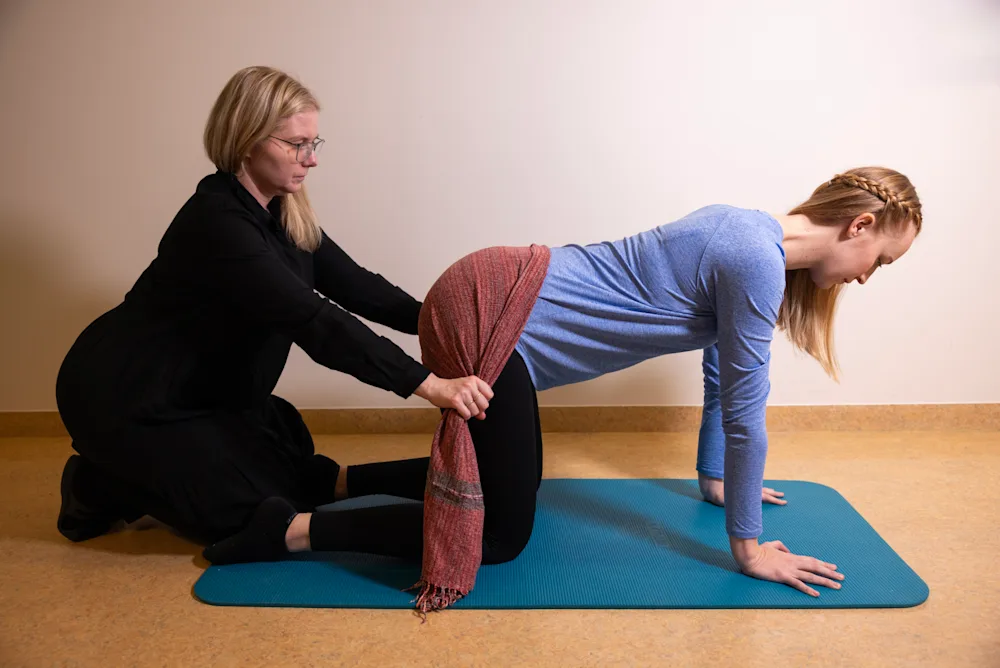
Rebozo technology
For centuries, Mexican midwives have used rebozo sponges to promote good posture of the baby in the pelvis before and during birth. Rebozo technique or exercises with rebozo sponges also help relaxation.
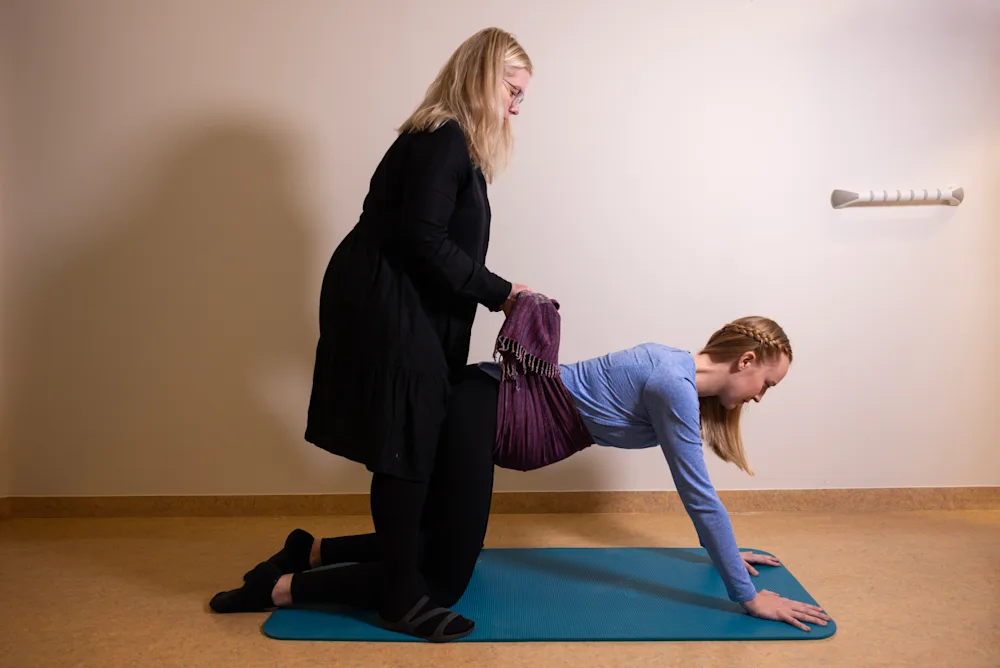
Rebozo sifting – helps relax and put the child in a favorable position in the pelvis
For centuries, Mexican midwives have used rebozo sponges to promote good posture of the baby in the pelvis before and during birth. Rebozo technique or exercises with rebozo sponges also help relaxation.
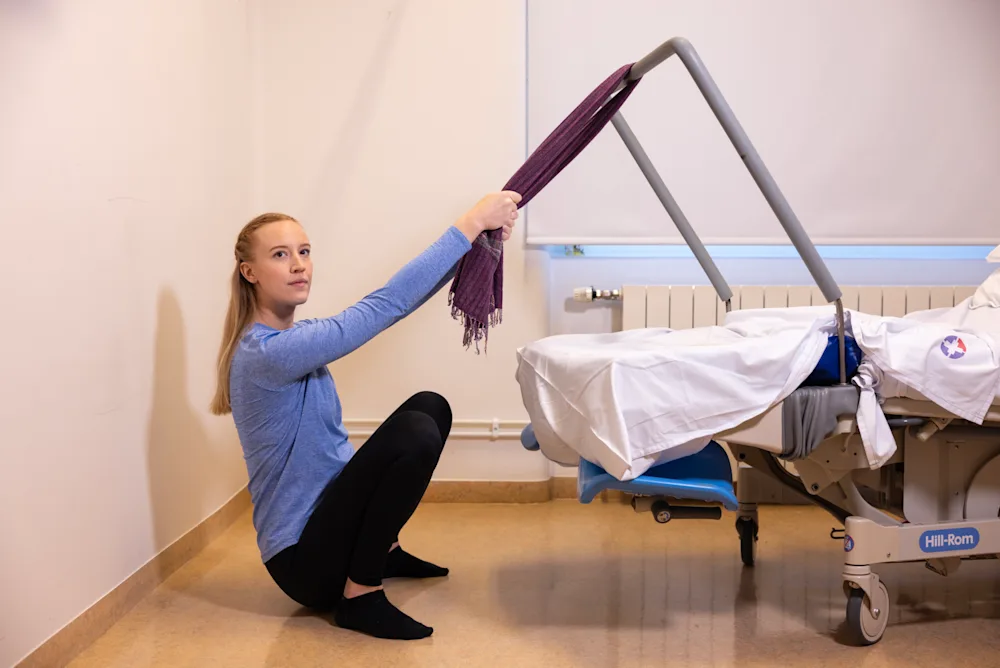
Knee-bending with rebozo scar
Breathing is one of the best tools to maintain calm and relaxation during labor. Deep breathing increases the release of oxytocin and endorphins and decreases the release of adrenaline, which contributes to good progress of labor. It is good for muscles to be relaxed and free from tension during labor. Tense muscles can counteract the movement of the baby down the birth path. Between periods it is important to achieve good relaxation, to let go of the grip and recharge energy to maintain the restraints of the marathon that labor can be. There are many different breathing methods that are useful during labor, but it is helpful to practice breathing and relaxation as often as possible.
In the postpartum yoga, breathing is practiced, which is a good preparation for birth. You can also attend a course in “hypnobirthing”.
“Inhalation gives power, inhalation relaxes”
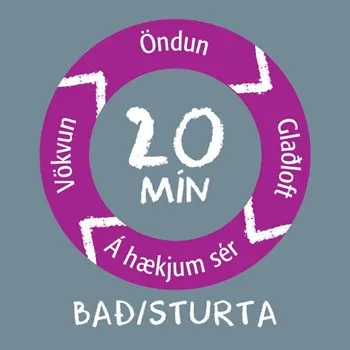
This section encourages and reminds you to use water during labor, whether it's a bath or a shower. Warm water has pain-relieving effects, increases well-being, and aids relaxation. However, it's not recommended to have the water too hot; the ideal bathwater temperature during labor is around 37 degrees Celsius. It can be beneficial to get out of the bath or shower occasionally to cool down, and it's also important to drink plenty of fluids.

Bathing/hot water - has a pain-reducing effect, increases well-being and helps to relax
You can move around and change positions in the water, squat, do lunges, get on all fours, or sit on a yoga ball in the shower. Use your imagination!
This square highlights using nitrous oxide for pain relief. Nitrous oxide is a blend of nitrous oxide and oxygen (N2O), and its pain-relieving/relaxing effects begin about 20 seconds after inhalation. The laboring person controls the nitrous oxide themselves by breathing it through a mask during contractions. It's safe to use nitrous oxide during birth, but it can cause temporary nausea and dizziness. Nitrous oxide and hydrotherapy often complement each other well, making a good combination.
"Inhale gives strength, exhale relaxes."
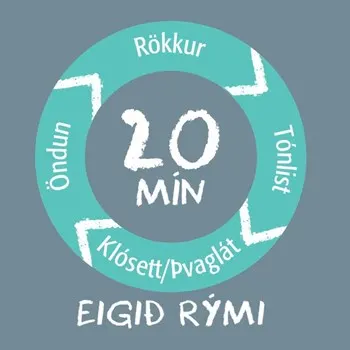
During birth itself, it's important to create a pleasant atmosphere. In a hospital setting, which is often unfamiliar, you can create your own space in the delivery room by, for example, dimming the lights, listening to familiar music, and doing relaxation exercises.
During labor, it's crucial to try to relax your pelvic floor muscles and regularly go to the toilet to empty your bladder. A full bladder during labor can prevent the baby's head from descending normally into the pelvis. Additionally, a seated position on the toilet is very beneficial for opening the pelvis. As the baby descends into the pelvis, significant pressure is put on the rectum. It's important to relax into that pressure instead of tensing up. For example, it's good to practice relaxing your mouth, shoulders, and jaw at the same time you try to relax the muscles around your pelvic floor.
"Inhale gives strength, exhale relaxes."
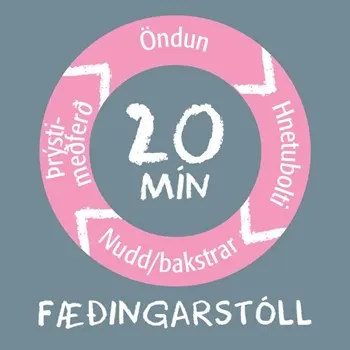
Many coping strategies in this section are ideal tasks for a partner or support person.
A stool can be used in various ways during labor. Here are examples of how to use a stool during pregnancy and labor: https://www.kayabirth.com. At home, you can use a lower chair (a child's chair or stool) instead of a specialized birth chair.
A peanut ball is a ball shaped like a peanut. A peanut ball is used to help open the pelvis and can assist in positioning the baby favorably within the pelvis. During labor, the midwife will help you choose the appropriate position with the peanut ball. The peanut ball can also be very effective when used with an epidural.
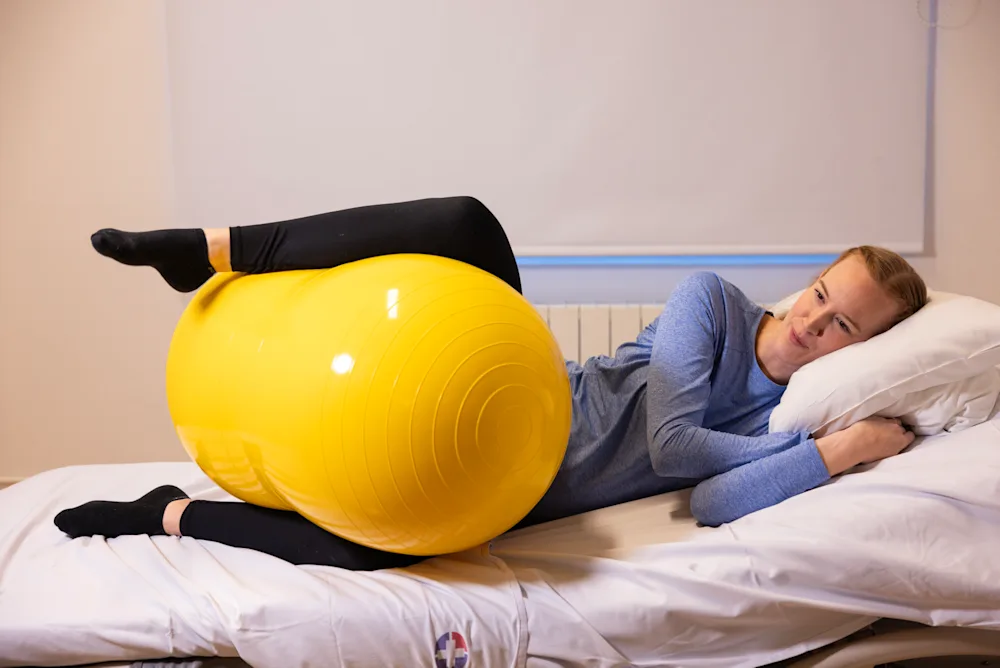
Peanut ball – available in different sizes and can be used in many ways
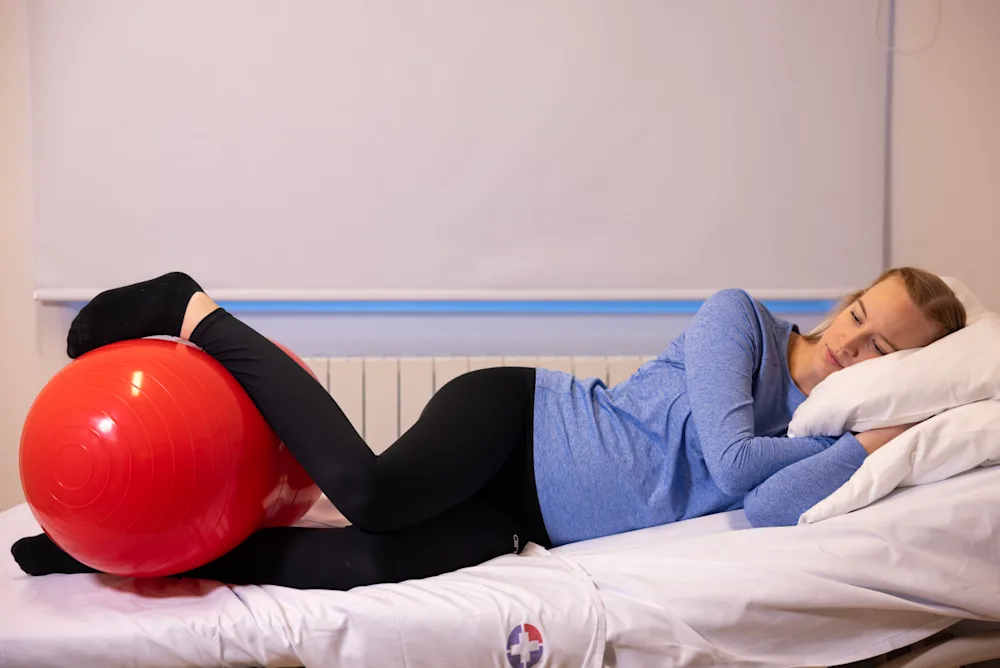
Also in this box are coping strategies such as breathing, massage, hot and cold back spasms and pressure therapy. These coping strategies can help relax, reduce pain in burning and improve well-being.
“Inhalation gives power, inhalation relaxes.”

This section highlights different complementary therapies.
Acupressure is based on Eastern traditions. According to these traditions, applying pressure to specific points on the body can influence energy flow. Acupressure during labor can reduce pain and promote relaxation. Any form of massage or touch can aid relaxation and contribute to well-being.
Acupuncture, rooted in Chinese medicine, is commonly used in labor for pain relief and relaxation. Many Icelandic midwives have undergone specialized training and are licensed to use acupuncture for pain management during childbirth. In acupuncture, very fine, single-use, sterile needles are inserted into specific acupuncture points. The needles are either left in place for a set time or manipulated in a specific way several times throughout the treatment.
Essential oils can reduce anxiety and nausea and aid relaxation.
Sterile water injections (papules) are believed to interfere with the body's pain signals and increase endorphin production. Sterile water is injected under the skin in the area where labor pains are most intense.
Giving Birth
Four different hormones play the most important roles in the birth process. By understanding these key hormones, you can increase the likelihood of feeling in control during your own labor. These hormones play different roles and have different effects, called endorphins, oxytocin, adrenaline and prolactin (see picture)
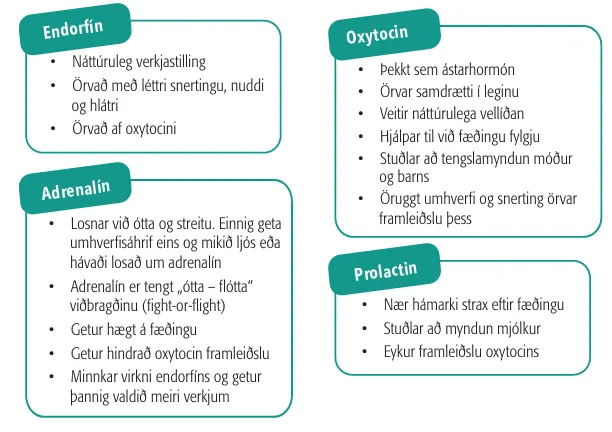
Deep breathing increases the release of oxytocin and endorphins and decreases the release of adrenaline. The production of hormones can be influenced by various factors such as maintaining calm, internal strength and the experience of control during labor.
Defining the onset of labor can be difficult, but labor is sometimes divided into two phases: early labor and active labor. Early labor generally begins with painful uterine contractions (which can be irregular in both strength and frequency) and changes to the cervix, causing it to soften, shorten, and begin to open. This early phase can often be prolonged and taxing for the expectant mother. When dilation reaches 5 cm and the cervix is shortened, most women have entered active labor, where the strength and frequency of contractions increase and become more regular.
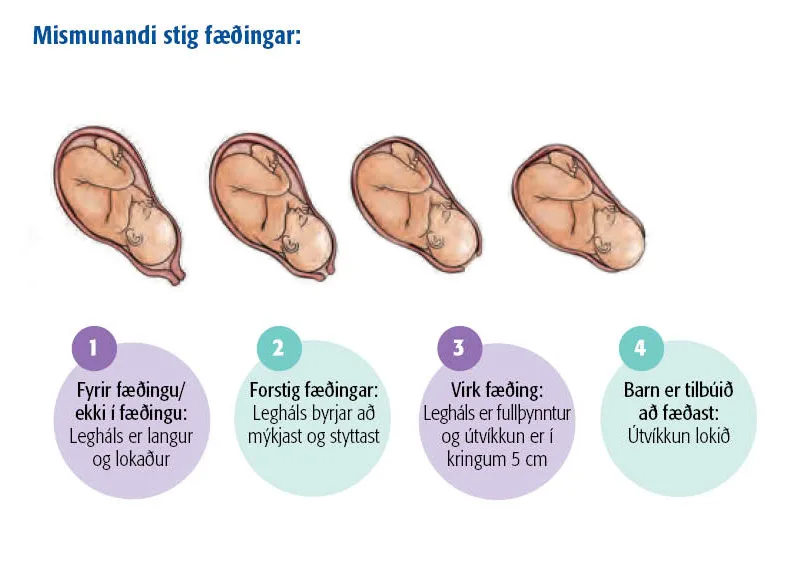
Pictures in Icelandic language only
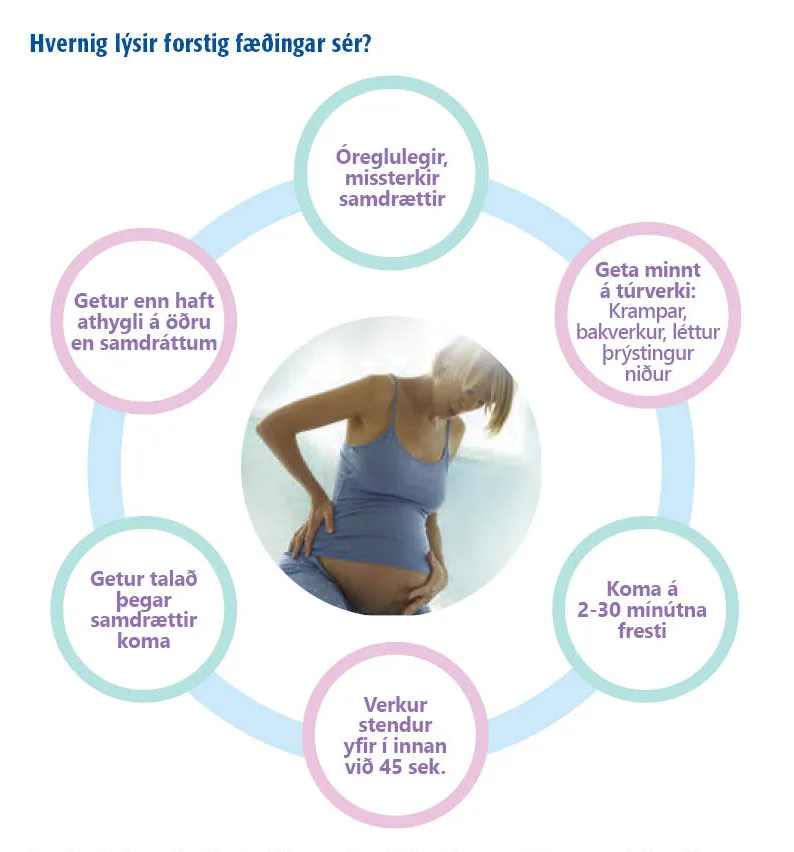
Pictures in Icelandic language only
Early labor can last from a few hours up to several days. This stage is usually longer for first-time mothers, though not always. During early labor, it's recommended to stay home, making it an ideal time to use the coping strategies discussed in the Birth Hopscotch.
It's safe to take pain relievers like paracetamol 1 gram up to four times a day. It's important to focus on eating and drinking well.
How does active labor manifest?
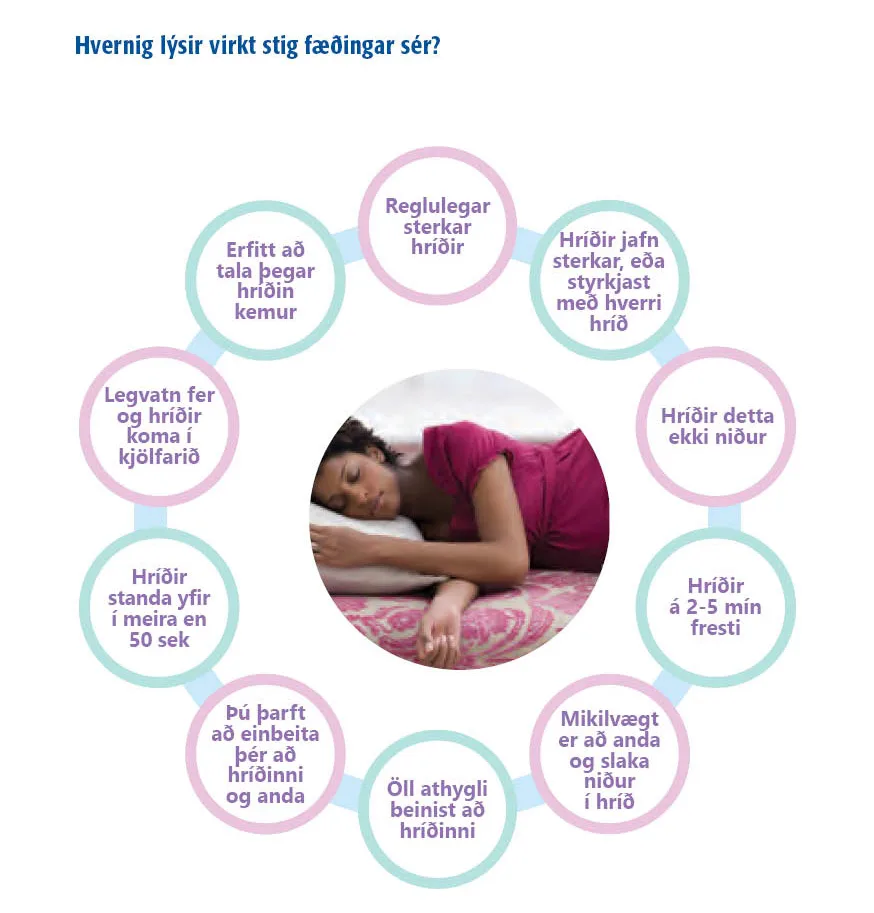
Pictures in Icelandic language only
Leakage of amniotic fluid:
It's advised to contact your birth facility when you suspect your water has broken to get further guidance. You'll need to monitor the color of the amniotic fluid, the baby's movements, and your temperature after your water breaks.
Every birth is unique, accompanied by varying emotions, both positive and negative. Feeling fear, anxiety, and stress during labor can be a normal physiological response to birth and the pain that might come with contractions.
By using the tools outlined in the Birth Hopscotch, such as breathing, relaxation, positive thinking, and movement, you can transform negative emotions and stress responses into an empowering experience and a positive birth.
The following diagrams visually demonstrate what you and your support person can do to experience empowerment during birth.
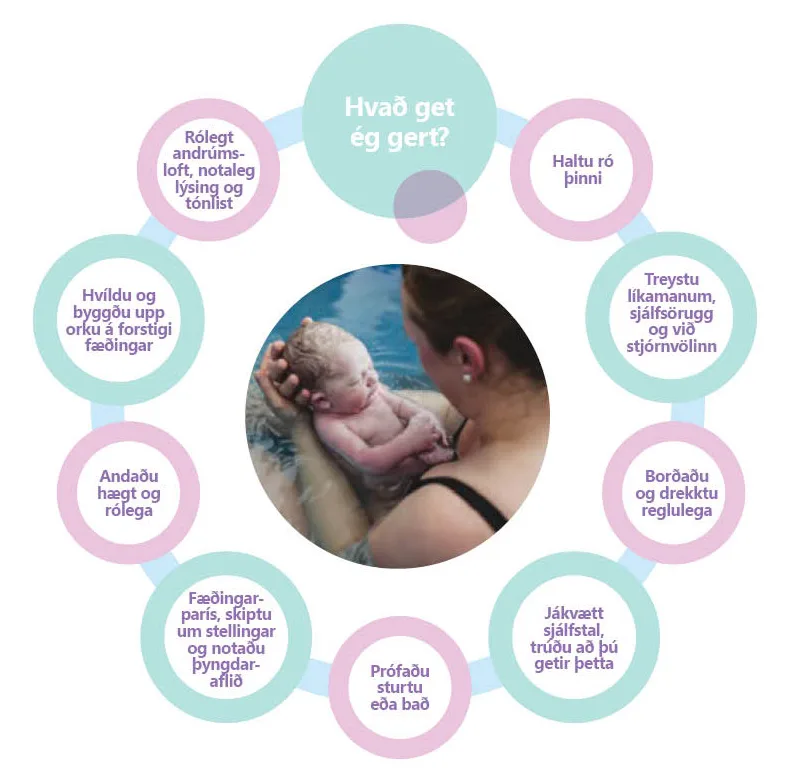
Pictures in Icelandic language only
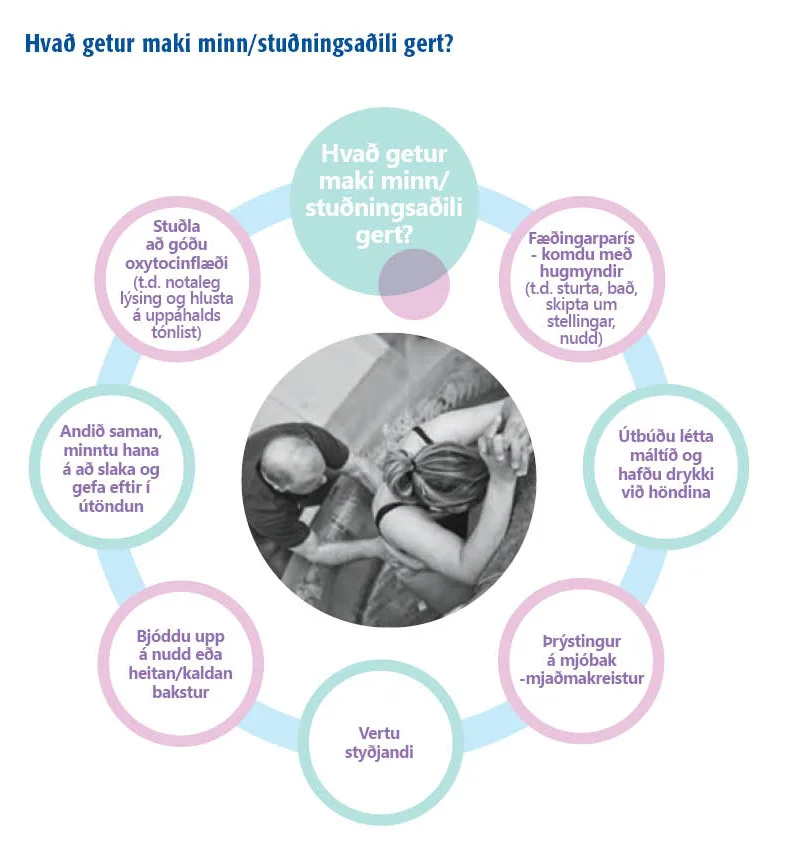
Pictures in Icelandic language only
Tips for Partners/Support Persons
It's tough to watch someone you love tackle a challenging task and feel helpless. Here are some practical suggestions a partner or support person can use to support their loved one through birth.
Be Present: One of the most powerful ways to support your partner in labor is simply to be there. Hold their hand, gently rub their shoulders, and/or allow them to lean on you.
Listen/Pay Attention: Try to understand what kind of support your partner needs at any given time. Encouraging them to drink, offering a cold washcloth for their forehead, or prompting them to move and change positions can be examples of the support they need.
Rest: Encourage your partner to rest, especially during the early stages of labor. The partner/support person should also rest at this stage. It's important to conserve energy and prepare for what's ahead.
Patience: Labor can be a long process; early labor can take anywhere from a few hours to several days. This is normal but can be challenging and difficult for the birthing person. Be supportive, encouraging, and present.
Your Own Needs: The partner/support person needs to pay attention to their own needs. Birth can be overwhelming and demanding for them too. If you feel you need a short break or some fresh air, allow yourself that. Also, make sure to eat and drink.
Encourage: Remind your partner how strong and capable they are. Say encouraging and empowering words like: "Well done, you're so strong," or "I'm proud of you."
Preparation: Prepare for birth and parenthood. This can include attending childbirth education classes and learning what to expect during birth and in the role of a parent. Practice the Birth Hopscotch together, prioritizing movement, breathing, and relaxation. It's also important to discuss expectations and wishes for the birth together.
Call your birthing facility for advice:
When you believe you're in active labor.
If early labor is prolonged.
Your water has broken.
There's heavy bleeding from the vagina.
You're concerned about decreased fetal movement.
If you don't feel comfortable staying home any longer or have concerns.
Once you arrive at the birthing facility, a midwife will attend to you and your partner/support person throughout labor. The midwife will monitor both your well-being and the baby's, and support you and your partner/support person through the process. Among other things, the baby's heart rate will be monitored, and the midwife will regularly assess the progress of labor. If anything deviates from the normal course, intervention in labor might be recommended as appropriate.
Preparing for birth is crucial. The Birth Hopscotch is a tool we hope will be beneficial in that preparation. We also recommend attending childbirth education classes, practicing relaxation and breathing, doing yoga or other exercises during pregnancy, focusing on good nutrition, and reading inspiring and positive birth stories.
Further information on pregnancy and birth can be found at:
Video
Publisher: Landspítali - Patient Education Centre, May 2025
Responsible Parties: Chief Physicians and Head Midwives: Delivery Ward 223b, Maternity and Postpartum Ward 22a, and Antenatal Care, Fetal Diagnostics and Women's Emergency Services 21/22B