
Icelandic Transport Authority
The Cape Town Agreement on the Safety of Fishing Vessels Enters into Force in 2027
3rd March 2026
The Agreement marks a milestone for the safety of fishing vessels and seafarers.
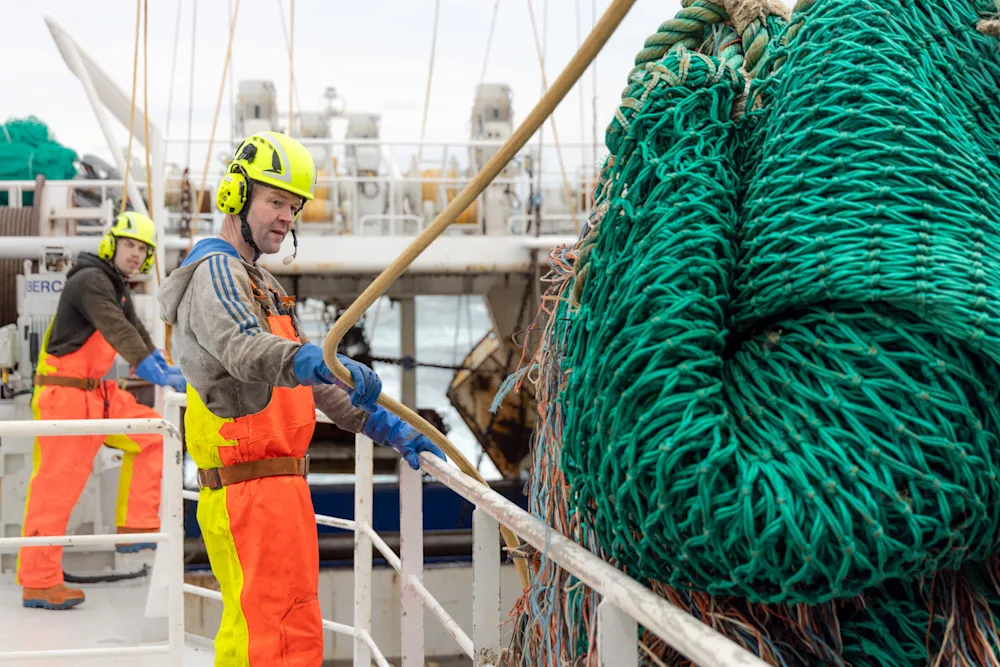
The conditions for the entry into force of the Cape Town Agreement on the Safety of Fishing Vessels have now been met, and the Agreement will formally enter into force in February 2027. The Agreement is developed under the auspices of the International Maritime Organization (IMO) and represents a major milestone in international efforts to improve the safety of fishing vessels and the working conditions of seafarers.
The Cape Town Agreement establishes binding and harmonised safety standards for fishing vessels of 24 metres in length and over, covering areas such as design, construction, equipment, stability, inspections and life-saving appliances. Approximately 45,000 fishing vessels worldwide will fall under the scope of the Agreement once it enters into force.
The Icelandic Transport Authority, and one of its predecessor organisations, the Icelandic Maritime Administration, have been actively involved in the development of the Agreement and its advancement within the IMO from the outset. The Minister of Infrastructure and the Director General of the Icelandic Transport Authority, together with representatives of the Ministry and the Authority, attended the IMO Assembly last autumn and took an active part in discussions on how to achieve ratification of the Agreement. Iceland has for many years been regarded as a model country in the field of fishing vessel and seafarer safety, and this experience has proven valuable in international cooperation.
Iceland was among the founding States of the Cape Town Agreement in 2012 and has since consistently supported its entry into force. At the IMO Assembly in November, the Minister of Infrastructure encouraged other countries to ratify the Agreement, including through discussions with representatives of States operating large fishing fleets. With Argentina’s accession at the end of February, the minimum requirements for the entry into force of the Agreement were met.
Once the Agreement enters into force, States Parties will be required to incorporate its provisions into national legislation and ensure that fishing vessels comply with harmonised safety requirements, regardless of where they operate. The Agreement is expected to contribute to improved safety at sea, better working conditions for seafarers, reduced pollution and fairer competition in international fisheries.
See also news from the Government of Iceland and the International Maritime Organization.