
Akureyri Hospital
Telehealth services: Participants felt more secure and had better access despite fewer in-person visits and phone calls.
25th September 2026
Participants in a study of telehealth services for people with type 2 diabetes reported feeling more secure, having better access to nurses, and gaining a better understanding of their condition. At the same time, the results showed a substantial decrease in outpatient visits and calls to nurses. No statistically significant change was found in long-term blood glucose levels or diabetes-related distress.
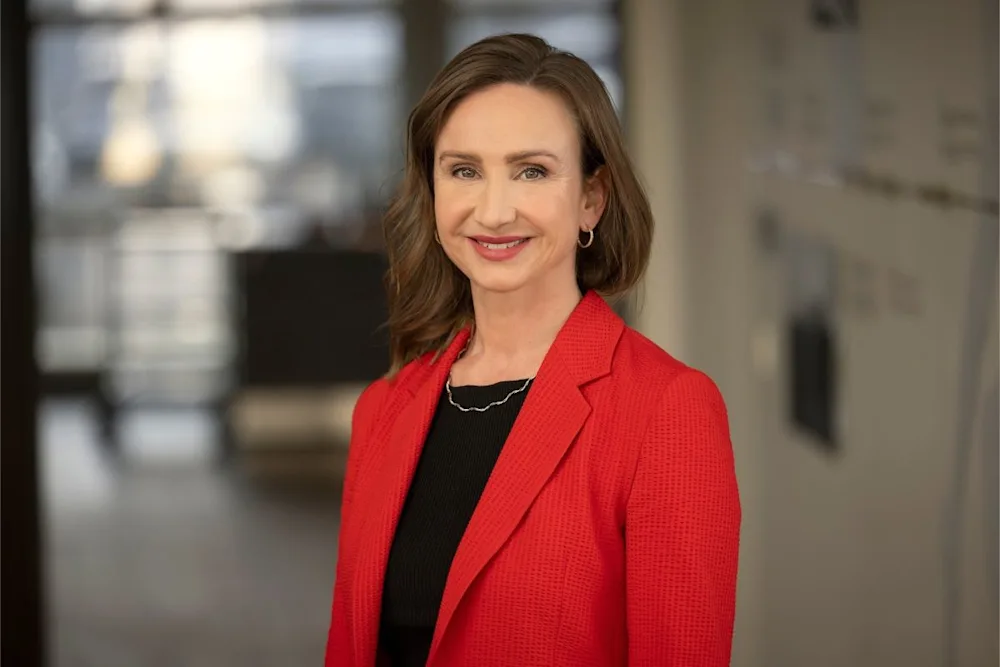
María Bragadóttir, a master’s student in digital health technology
Of those who responded, 12 of 15 felt that the solution had improved their understanding of diabetes, 11 of 14 felt that access to nurses had improved, and 13 of 15 said they felt more secure. Outpatient visits fell from 11 to two, and calls to nurses from 46 to 11, compared with an equally long period before the service was introduced.
The study was part of María Bragadóttir’s master’s project in digital health technology at Reykjavík University. It was carried out at the endocrinology clinic of Akureyri Hospital in close collaboration with Eva Hilmarsdóttir, a nurse at the medical outpatient clinic, and Emilía Fönn Andradóttir, a nursing specialist at the same clinic. The project also received support from Þórdís Rósa Sigurðardóttir, head of the medical outpatient clinic, and the hospital’s executive management. María presented the findings at Akureyri Hospital’s Research Day, held yesterday.
Telehealth solution developed with staff
The study aimed to explore how a digital health solution could be integrated into conventional care for people with type 2 diabetes and to assess its effects on patients’ experiences and health, quality of care, and use of healthcare services.
The study took place in three stages. First, María, Eva and Emilía worked together to adapt the clinic’s procedures and set up the Una Heilsa telehealth solution. This included deciding which measurements to monitor and how to set thresholds, reminders, educational content and communication.
Next, nurses and participants received training in using the system and equipment. Nineteen people began the study, and 16 completed the five-month study period. Finally, the outcomes were assessed through measurements, questionnaires and interviews with participants and nurses.
Fewer visits and calls
Participants made 11 outpatient visits during the five months before the service was introduced, compared with two while they were receiving telehealth care. Calls to nurses fell from 46 to 11 over the same periods. Both reductions were statistically significant.
There was no statistically significant change in participants’ long-term blood glucose levels or in diabetes-related distress and difficulties. The findings therefore suggest that remote monitoring and digital communication replaced or supplemented some conventional contact, with no indication of worsening clinical outcomes.
Greater sense of security and better access
Participants’ experiences of the service were generally very positive. They said that real-time data and visual displays of their measurements helped them better understand the relationship between lifestyle and blood sugar.
“That made me think more about what raises my blood sugar and what lowers it, and I started cutting back on certain things,” said one participant.
Participants also appreciated being able to take measurements at home and knowing that nurses were monitoring the results.
“I find it convenient to be able to check this on my phone at home, and knowing that someone is monitoring the readings gives me a strong sense of security,” said another participant.
Although visits and calls decreased, most participants felt they had better access to nurses. Good communication through the solution, together with the knowledge that nurses were monitoring their readings, appears to have played an important part in that experience.
Making better use of time
Eva and Emilía felt that care became more continuous, flexible and tailored to individual needs. They observed greater patient involvement in treatment and felt that real-time access to readings enabled them to identify abnormalities sooner and respond more quickly.
“We get much more accurate information than when people record their blood sugar measurements in a notebook a few days before an appointment. It gives us a better and more complete picture of how they are really doing,” said a nurse in the study.
The nurses did not feel that their overall workload had decreased, but they felt their time was used more effectively. The telehealth service is intended to complement conventional care, rather than replace it.
María says the findings show considerable potential for telehealth to improve both care and patients’ experiences while helping clinical staff use their time more effectively. Technology alone, however, cannot deliver these benefits.
“The professionals who know the patients, the clinical setting and the needs of the service play a key role in making the technology useful. Eva and Emilía helped develop the service with great commitment, professionalism and sensitivity to patients’ needs. Their strong clinical involvement was one of the main reasons for its success,” María says. She adds: “I would also like to take this opportunity to sincerely thank Icepharma Velferð for providing the Una Heilsa telehealth solution for the study and supplying participants with the equipment they needed. Their contribution made a significant difference.”