
Land and Forest Iceland
Land Restoration in Skeiða- og Gnúpverjahreppur 2025
3rd December 2025
A total of 245 hectares of land in Skeiða- og Gnúpverjahreppur have been treated with bone meal this year. In addition, 87,000 birch seedlings were planted across 58 hectares. Among the areas treated was an old pumice quarry at Vikrar, which in recent years has caused considerable wind erosion affecting the surrounding landscape.
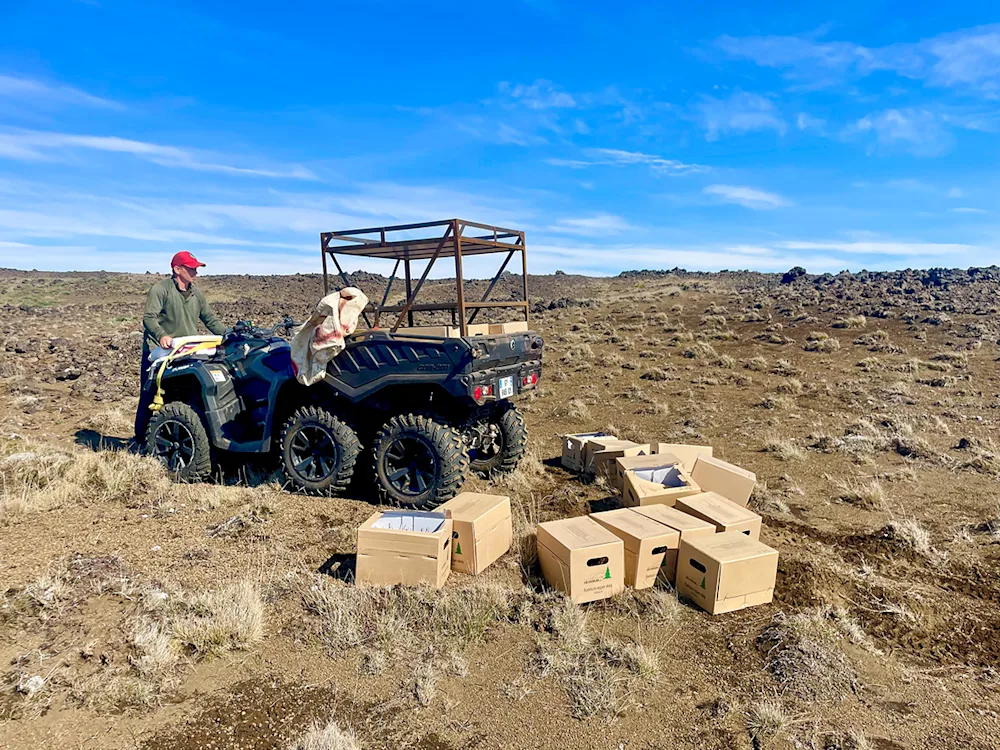
These results are detailed in a memorandum sent by Land and Forest Iceland to the municipality of Skeiða- og Gnúpverjahreppur, providing an overview of the restoration projects carried out in the area this year. Work took place in three zones. At Vikrar, from Hallslaut west of Þjórsárdalur Forest and along the Sandá River towards Reykholt, activities included birch planting and the application of bone meal. In autumn, further material was spread at Vikrar slightly higher up, west of Rauðukambar, and also west of the Þjórsárdalur road on the highland plateau known as Hafið, where the road follows the canal leading to the Búrfell power station.
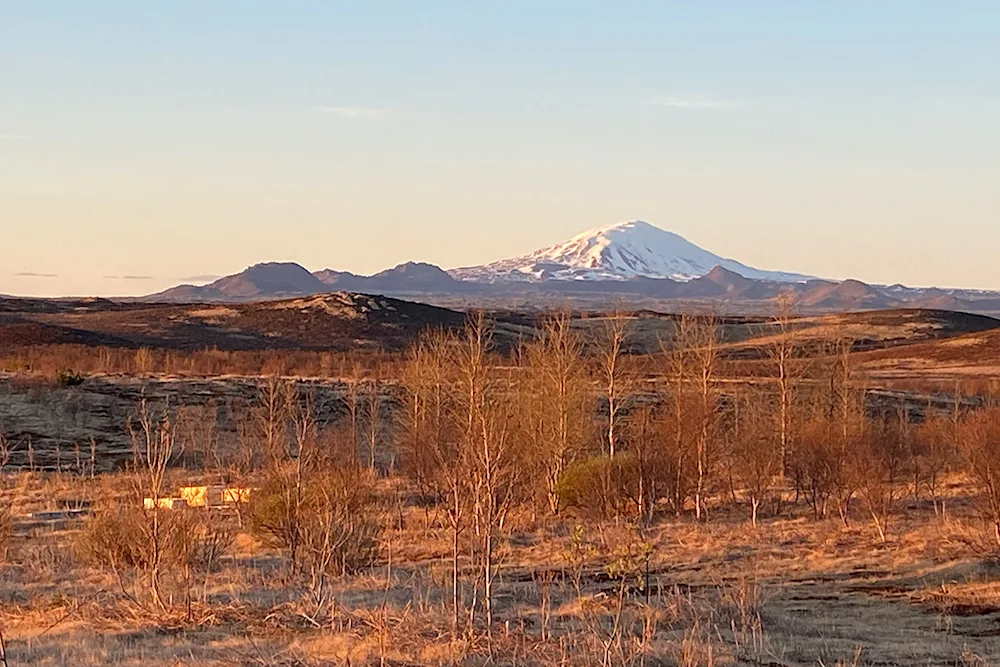
Part of the area treated with bone meal previously lay within the common grazing lands of Flói and Skeiðar, but the boundary fence was moved northwards last year due to construction work at Rauðukambar. The area is protected, but its conservation terms exempt activities related to the restoration and protection of birch woodlands from requiring a permit from the Environment Agency of Iceland. The application of bone meal forms part of the effort to restore birch to the area, and the Icelandic Nature Conservation Agency, which now oversees the site, has been informed of the measures.
Bone meal is an organic, slow-release fertiliser that has proven highly effective for land restoration in Þjórsárdalur and elsewhere in recent years, including within the Hekluskógar project. It is produced from slaughter waste at the Orkugerðin processing plant in Hraungerði, Flói district. The fertilising effects last for at least three years. Land and Forest Iceland is working to reduce the use of synthetic fertilisers and instead apply organic nutrients, as previously reported. Next year, the use of meat and bone meal will be increased, and its application in North Iceland is currently under consideration; until now, its use has been limited to South Iceland.
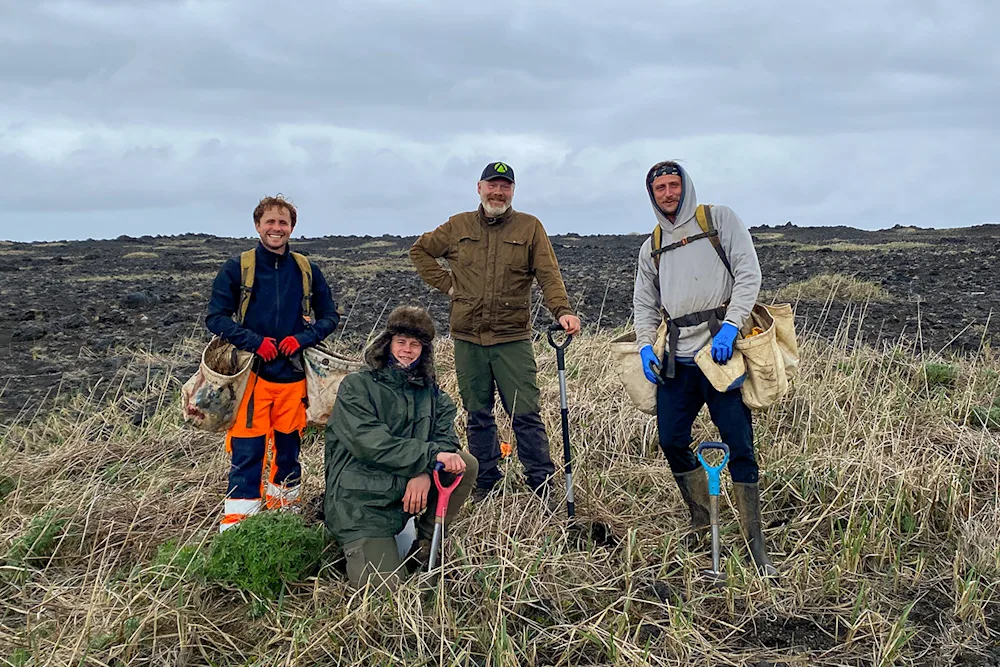
According to the memorandum sent to the municipality, birch was planted across 58 hectares this summer, totalling around 87,000 seedlings. Planting took place both in areas dominated by Nootka lupin and in sites that had been treated with bone meal in autumn 2024 and spring 2025. Total costs for the restoration and woodland-recovery activities of Land and Forest Iceland in Skeiða- og Gnúpverjahreppur in 2025 amounted to ISK 43 million.
The memorandum does not cover the organisation’s activities within the Þjórsárdalur National Forest; however, it notes that work there included the processing of forest products—such as timber processing for various projects, firewood production and chipping—alongside road maintenance, logging, fence renewal and other tasks. It also records that the Land Improvement Association of Gnúpverjar carried out restoration work near Sandafell and Rauðá, and that the Summer Grazing Association of Flói and Skeiðar undertook land reclamation at Vikrar.
Further details on this year’s activities can be viewed on the maps included in the memorandum (in Icelandic).
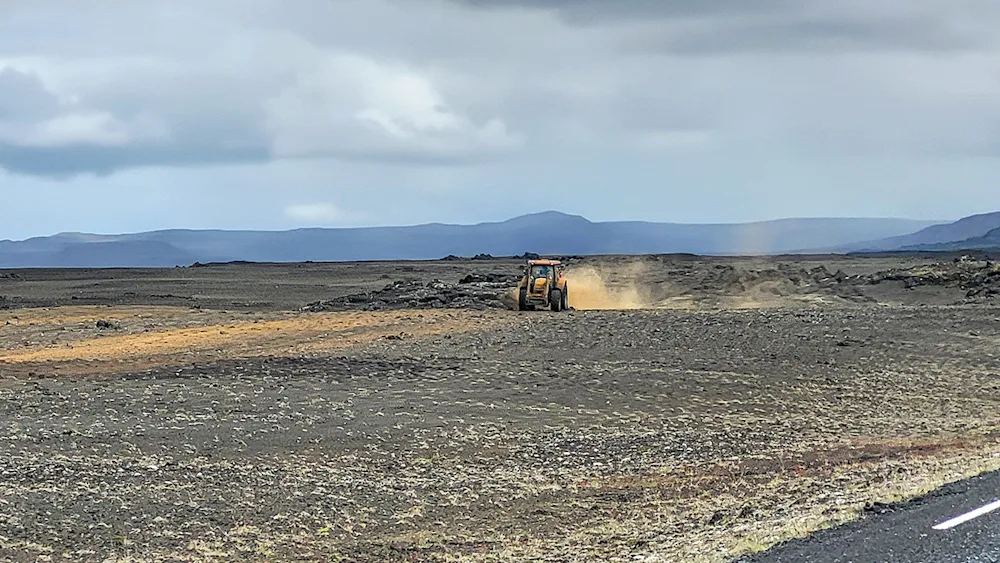
Bone meal application on the Vikrar in Þjórsárdalur. Photo: Hreinn Óskarsson.