
The Healthcare Institution of North Iceland
What kind of health education do older adults need and want?
3rd February 2026
The proportion of older adults in Iceland is increasing and is now about 15% of the population. Older people are more likely to experience chronic illnesses and frailty, but regular physical activity, low stress, good nutrition, and strong health literacy contribute to better health and independence in later life.
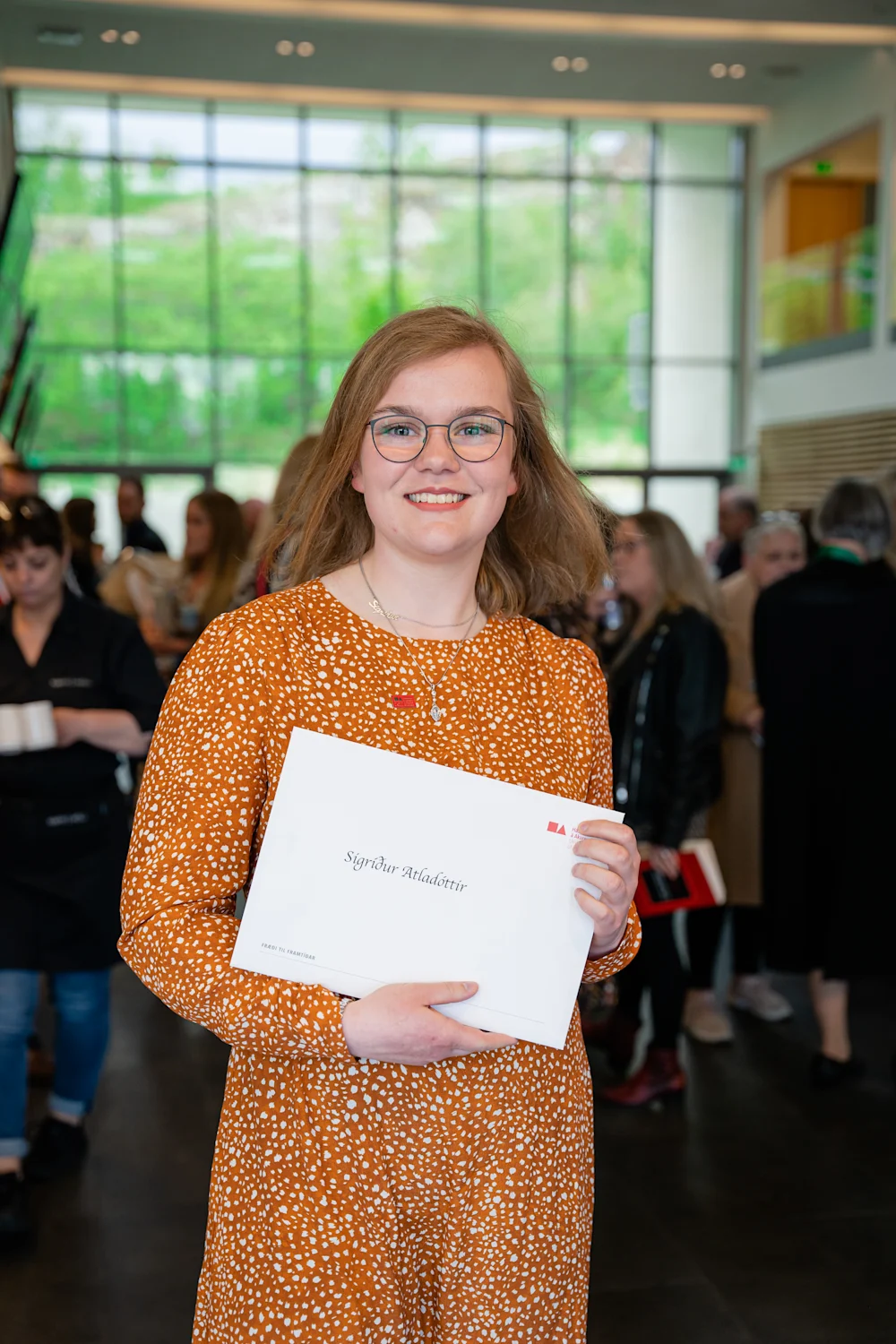
Sigríður Atladóttir, nurse at HSN. Photo from University of Akureyri.
Sigríður Atladóttir, a nurse at HSN in Sauðárkrókur, examined in her master’s project at the University of Akureyri the health education and educational needs of older adults in North Iceland, based on age, place of residence, health literacy, gender, body mass index, and education. The study is titled “Health Education for Older Adults in North Iceland: A Population-Based Cross-Sectional Study.” “I grew up in Reykjahverfi in Suður-Þingeyjarsýsla and consider myself a rural nurse. I have always worked for HSN in North Iceland at various healthcare facilities. I completed my nursing degree at the University of Akureyri in 2019, a diploma in clinical primary care nursing three years later, and then a work-related master’s degree.”
People want more and more targeted education
Sigríður has a strong interest in adult health promotion and decided to study what kind of health education healthy, older adults—who are not part of specific patient groups—have received, and what kind of education they want. She collected data from individuals aged 67 and older in Þingeyjarsýslur. The data collection was part of a larger project conducted by an interdisciplinary research team led by Dr. Árún K. Sigurðardóttir at the University of Akureyri during the winter of 2017–2018. Data were also collected in Akureyri and Skagafjörður. When it came to writing her master’s project, Sigríður felt it was a strength to work with data she had helped collect herself and that came from her own work area. “People who attend a health-promotion clinic, for example those with heart disease or diabetes, receive more targeted education, but education for healthy older adults living in the community has not been studied before, and I found no comparable international research.”
The study revealed that older adults primarily receive education on medication use, nutrition, and physical activity, but the results showed that they want more and more targeted education on diet, exercise, and weight management. Differences also emerged between genders and between rural and urban living. “Individuals—especially men in urban areas—are more likely to receive education about medication use, though the reasons for this remain unclear, as the study did not examine causal relationships. Younger older adults preferred education about diet, and people who were overweight requested more and deeper education on weight management, diet, and exercise. As we age, the risk of muscle loss increases, which is important for strength and bone health, and people need guidance on how to respond.”
Health promotion and education are important at all stages of life
It is crucial that people maintain good health for as long as possible, both for the individual and for the healthcare system. Health promotion matters at every age. Good nutrition, daily physical activity, proper sleep, and targeted strength training—especially among older adults—contribute to better lifelong health.
“One of HSN’s roles is to meet people where they are and emphasize prevention and health promotion, so that our clients enjoy quality of life for as long as possible. The study reminds us as professionals to use every opportunity to provide education about healthier lifestyles, regardless of age—whether we are meeting children in schools or adults in primary healthcare. Everyone benefits.”
Reaching people who have limited contact with primary care is more challenging, but community-based prevention can be strengthened in various ways. “Municipalities, for example, offer organized exercise programs for older adults, and social services provide nutritious, home-delivered meals. It is also on our agenda at HSN to provide diverse educational opportunities through social programs for older adults. Research shows that older adults with strong health literacy find it easier to maintain their health and enjoy a better quality of life.”
Opportunities to examine the situation elsewhere
Sigríður’s study covered only part of North Iceland and therefore does not reflect conditions in other regions. “I would like to examine this across the entire country, as the results do not necessarily give an accurate picture of all of Iceland. For example, it would be interesting to compare the capital area with rural regions. Such a study would be very useful for the healthcare system in mapping both the health education offered and the educational needs of older adults nationwide.”