
The Healthcare Institution of North Iceland
The goal is for people to remain living at home for as long as possible
13th July 2026
New HSN Rehabilitation Team supports people towards greater independence
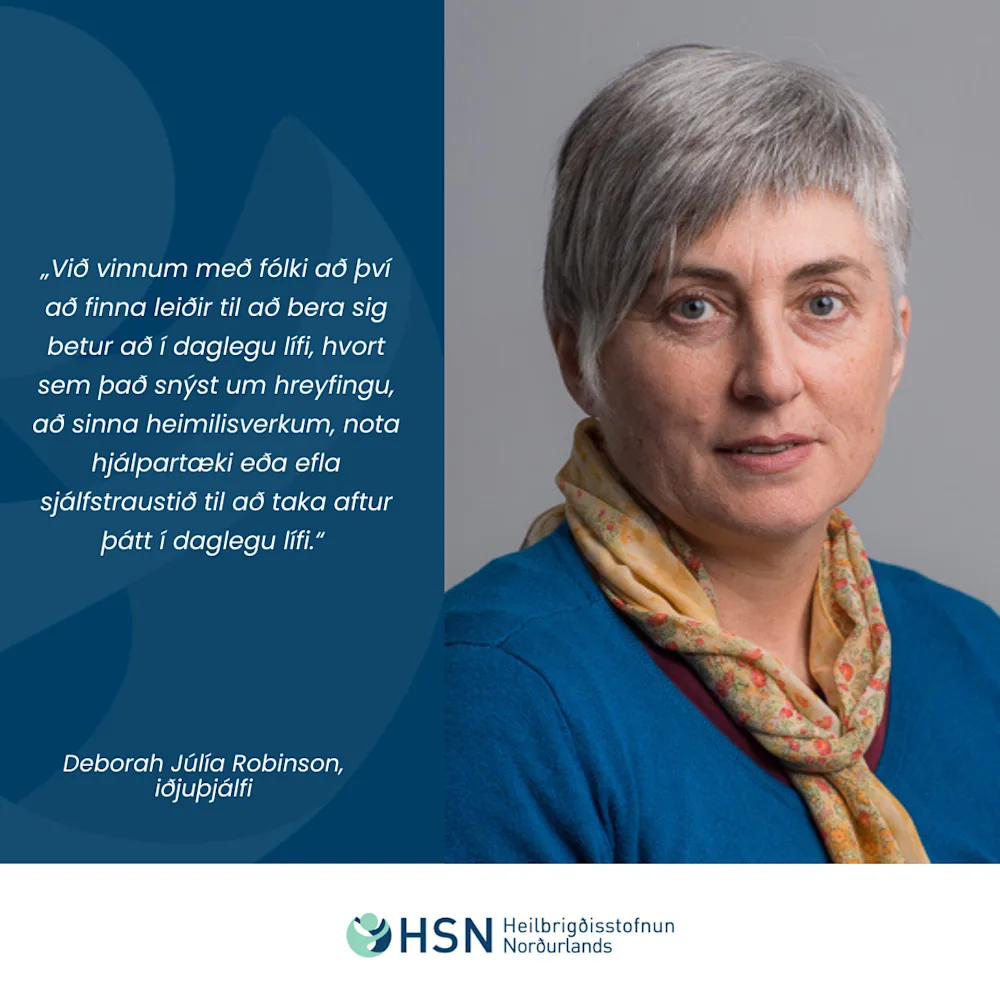
Since January, a new rehabilitation team within HSN Home Nursing Services in Akureyri has been operating with the goal of supporting individuals in maintaining their independence and enabling them to live at home for as long as possible. Although this service is new in North Iceland, it is based on a rehabilitation model that has proven successful elsewhere in the country. Deborah Júlía Robinson, Occupational Therapist, explains that the primary aim is to empower individuals to continue living at home by helping them maintain or regain their functional abilities.
What is the rehabilitation team and who is the service for?
Home-based rehabilitation is intended for individuals who require temporary support, for example following illness, surgery, or changes in their health, with the goal of helping them regain previous levels of function or adapt to new circumstances.
“We work with people to find better ways of managing everyday life, whether that involves mobility, household tasks, the use of assistive devices, or rebuilding the confidence needed to participate in daily activities again.”
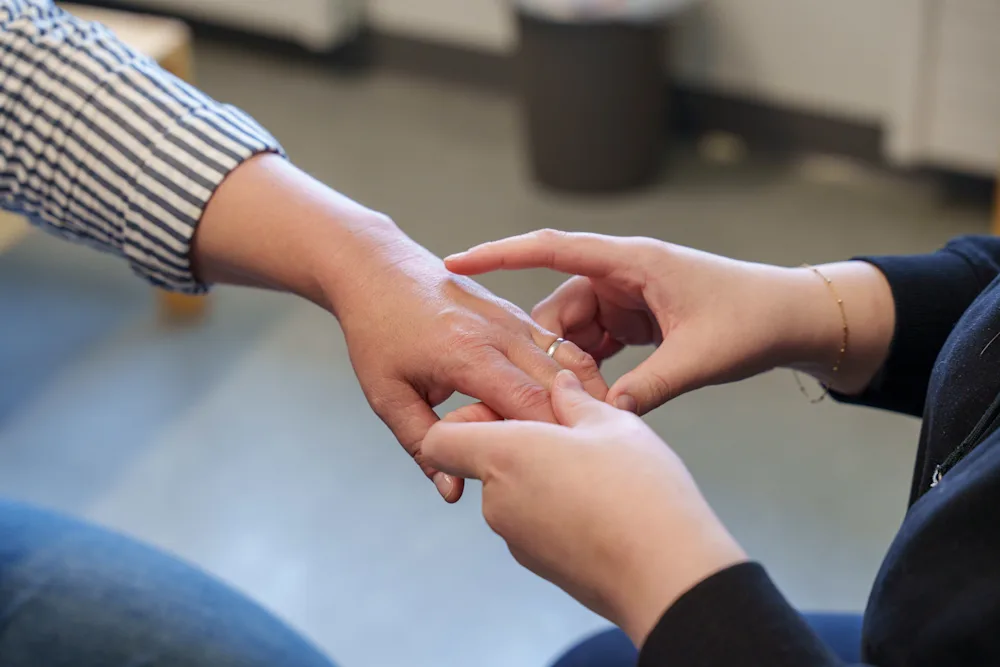
Not traditional home nursing care
The rehabilitation team emphasizes that this service is not the same as traditional home nursing care.
“This is not about taking over tasks for the individual; it is about supporting them to do more for themselves. We provide targeted guidance and support so that people can become as independent as possible.”
The team is multidisciplinary and includes, among others, an occupational therapist, physiotherapist, registered nurse, practical nurse, and access to a geriatric physician. Services are tailored to the needs of each individual, and different professionals become involved as appropriate.
“We carry out home visits and assess what best suits each person. Sometimes assistive equipment is needed to make the home safer, sometimes training in daily activities, and sometimes simply support to rebuild confidence.”
Temporary support with clear goals
Services typically last between four and twelve weeks, although this varies depending on the individual.
“The goal is always for people to become more active and independent over time. We gradually reduce the level of support as the individual gains confidence and functional ability.”
The social aspect is also very important. For some, rehabilitation involves not only physical function but also reconnecting with the community.
“We work with community centres, day rehabilitation programmes, and other support services when appropriate. Sometimes people simply need a little encouragement and support to take the first steps back into social life.”
High satisfaction and positive feedback
Feedback has been positive since the team began operating, and many participants have expressed their appreciation for the targeted support that helps them maintain their independence.
“People are very pleased, especially those who want to maintain their independence and avoid becoming dependent on more services than necessary.”
Since the service began on 19 January, 60 individuals have completed the rehabilitation programme, and the team currently has the capacity to support up to 30 individuals at a time. This new service is an important addition to HSN’s range of healthcare services, increasing people’s opportunities to live independent lives in their own homes.