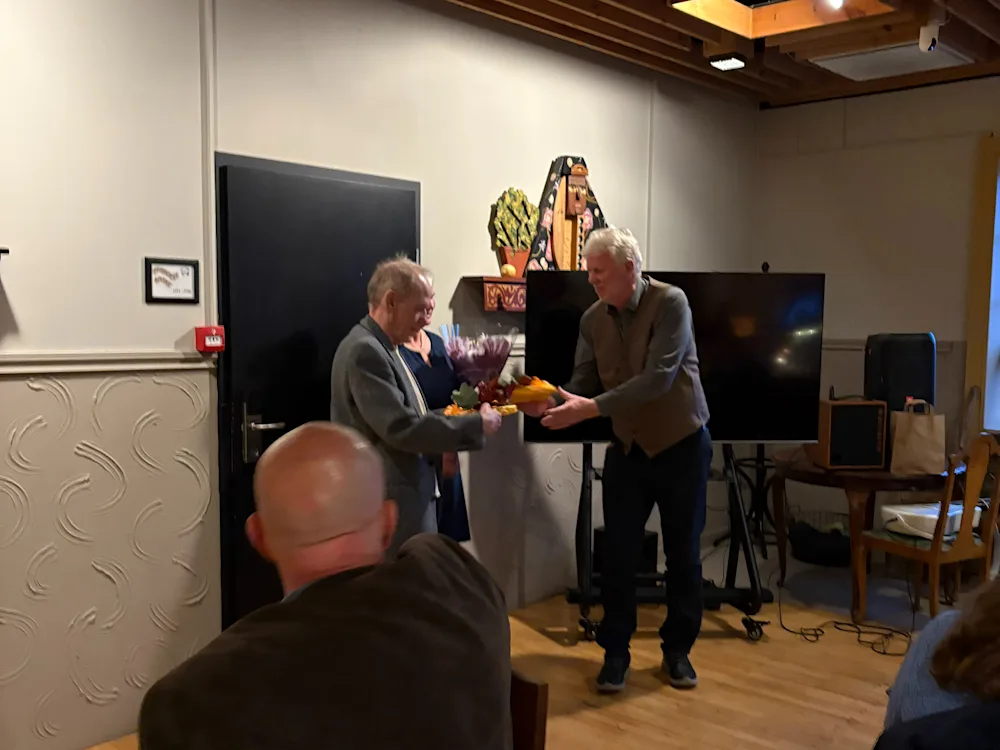
The Healthcare Institution of North Iceland
Sixteen Hours in an Ambulance and a Perilous Sea Journey
12th December 2025
The Adventures and Career of Andrés Magnússon, Surgeon in Siglufjörður, Who Recently Retired After 40 Years of Service.
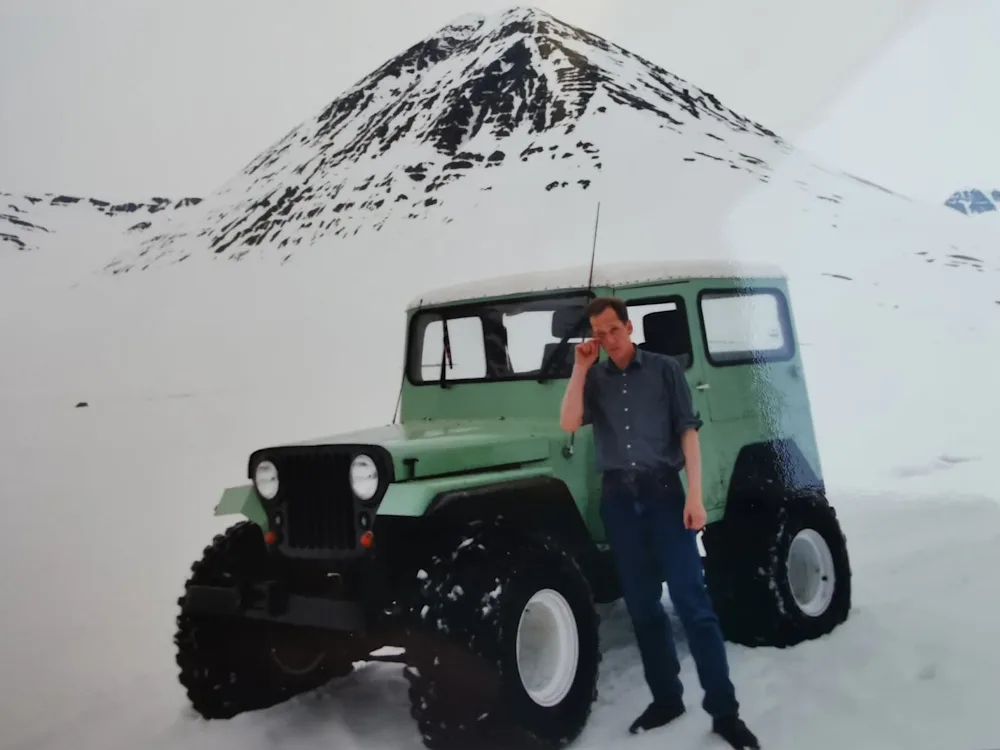
Andrés and the Jeep that he first drove 12 years old.
After a successful 40-year career, it is time for Andrés Magnússon, surgeon, to retire. Andrés began working in Siglufjörður in 1985 and remained there almost continuously until last October.
"I was born in the hustle and bustle of Reykjavík, right next to Austurbæjarbíó, but as a child I lived in Eyrarbakki and enjoyed being in a small community that really looked after people. After completing my surgical training in Sweden, I decided to return home, and at that time they were looking for a doctor in Siglufjörður. I loved hiking in the mountains—they simply pulled me in, and so did the weather, strange as that may sound." And so Andrés moved to Siglufjörður.
"The people of Siglufjörður know how to welcome others. They are used to it, as the herring years show. At work, there has always been a fantastic team spirit, great colleagues, and I have felt very comfortable, which probably explains why I stayed so long. I also saw how much variety came with being a rural doctor—no two cases were alike, and every day brought something new. Shifts can certainly be demanding in remote areas, but you learn to live with it, just like the weather."
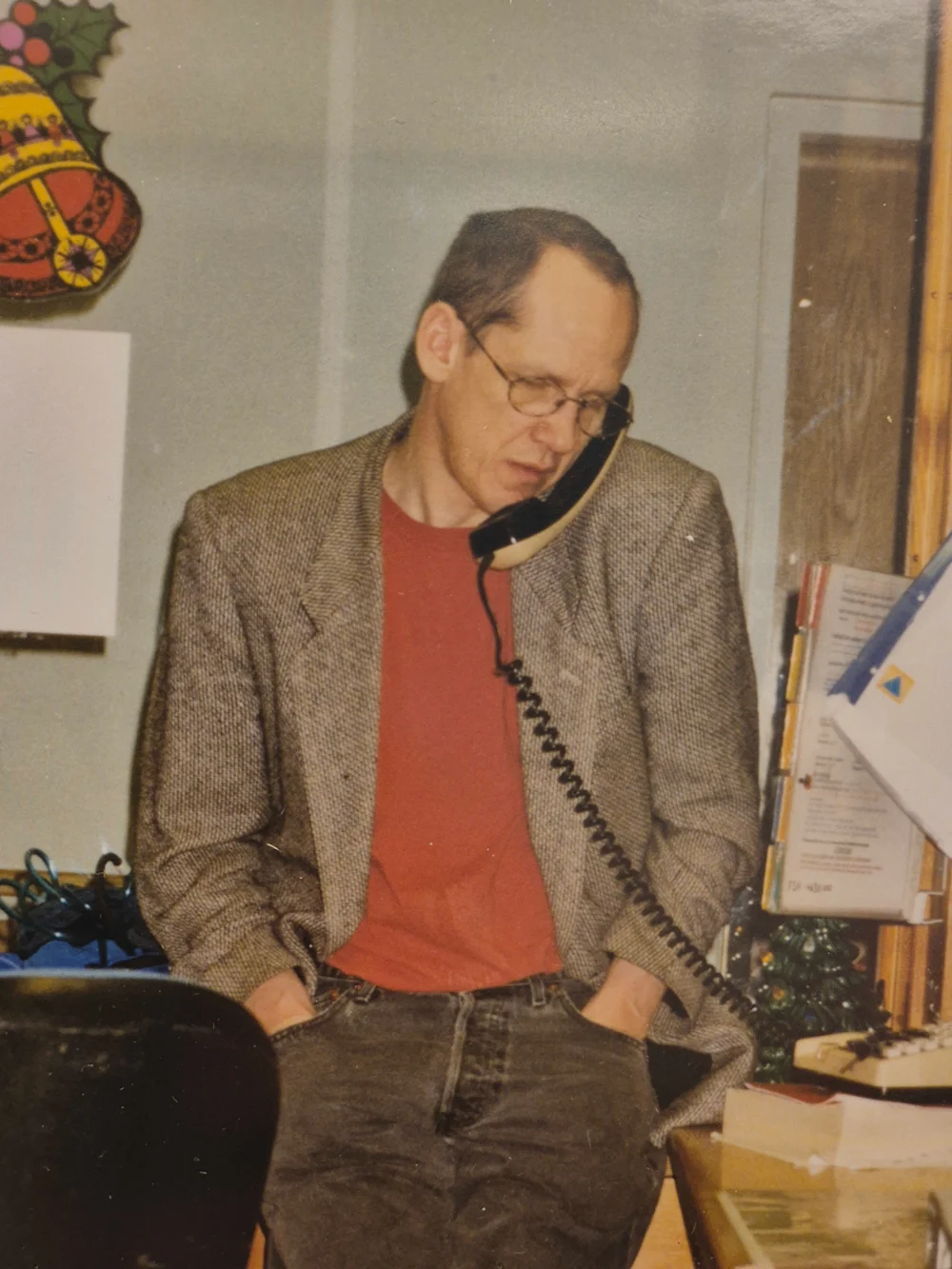
Major changes over 40 years
Technological advances have been significant during this time, but transportation has also changed a lot. Previously, there were two daily flights from Siglufjörður—one to Reykjavík and the other to Akureyri—but road travel could often be challenging in winter. "The weather was different then: much heavier snowfall, longer storms, and impassable roads. We could be cut off for a whole week and had to manage everything locally, big and small. The longest ambulance trip we ever made to Akureyri took sixteen hours in a raging storm with a patient in the vehicle. But after the tunnel to Ólafsfjörður opened in 2010, access to Akureyri improved and travel became much easier."
According to Andrés, the biggest technological breakthrough was the arrival of the CT scanner in the early 1990s, located in Akureyri. "It made an incredible difference to be able to see immediately what was wrong with a single scan. Before that, we had to monitor the patient’s condition and, if nothing else worked, operate to find out what was going on."
Tourism has also grown significantly over the years, impacting the healthcare system. "Visitor numbers have increased greatly during my time, but the healthcare infrastructure has not really accounted for the extra strain that comes with more tourists. These cases can be time-consuming because people need to be registered in the system, and then there are legal issues, insurance, and language barriers that can complicate things. These incidents take a lot of time and add extra workload."
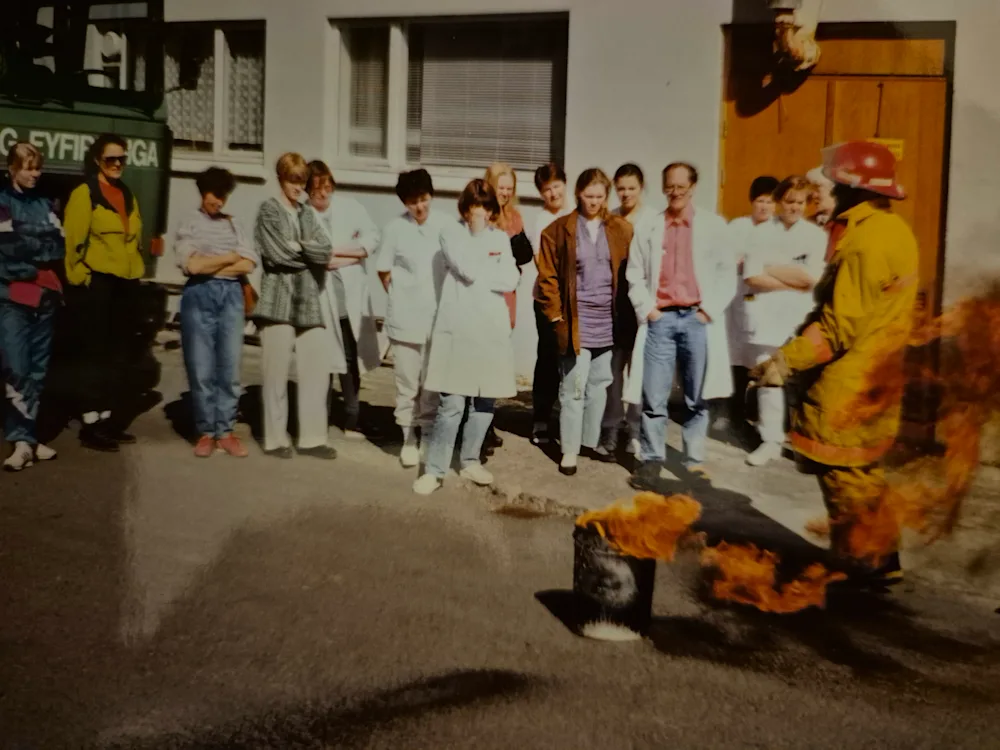
Adventures at sea
Another major change was the introduction of mobile phones—before that, we used pagers. The emergency line did not come into use until 1996; before then, a radio station handled communications and emergency alerts. "The local radio station was in contact with all ships north of Iceland, and through it we received requests for assistance from crews, Icelandic and foreign, and provided advice as the first link in the chain."
Andrés recalls a memorable story from that time. One evening in very bad weather, a request came from a foreign trawler near Kolbeinsey where a serious accident had occurred. "The Coast Guard vessel Ægir heard the communication and offered to pick me up. When I arrived at the harbor with two black bags and saw a large gray ship sending a rubber boat for me, it felt a bit like a scene from James Bond, Her Majesty’s secret agent. That glamour faded quickly, though, because I became so seasick that I vomited at the captain’s feet, and he put me straight to bed. When we finally reached the trawler, I was stuffed into a survival suit and thrown into a boat to get aboard. Despite terrible seasickness, I managed to set up fluids, medication, and oxygen—but then needed care myself, lying in a bunk while the engineer held my forehead and gave me Coke between my attempts to guide the care of the injured man. When we got back to land, you could hardly tell which of us was worse off—but everything turned out well."
Listening and dialogue above all
Andrés leaves his post with great satisfaction and now enjoys life with his wife, Margrét Guðmundsdóttir from Siglufjörður, a developmental therapist. They have two sons together, and Andrés also has three daughters from a previous relationship. There are now nine grandchildren in the family.
"I look back on this time with pride and gratitude, especially for the wonderful colleagues I have had over the years. One of the biggest lessons I take from this is the importance of feeling good at your workplace, the importance of talking together—and just as importantly, listening. Listening to our patients and to colleagues who often know the patients better than we do."
The Healthcare Institution of North Iceland and the Primary Health Care in Fjallabyggð extend heartfelt thanks to Andrés and Margrét for their selfless and successful service to the community over all these years. May the future bring them both happiness and joy.