
The Healthcare Institution of North Iceland
This news article is more than a year old
Proper Nutrition – An Increasingly Important Part of Treatment
23rd September 2025
Bergþóra Lísa Björnsdóttir, a nutritionist and clinical nutrition student at the University of Iceland, joined HSN for a temporary project this summer.
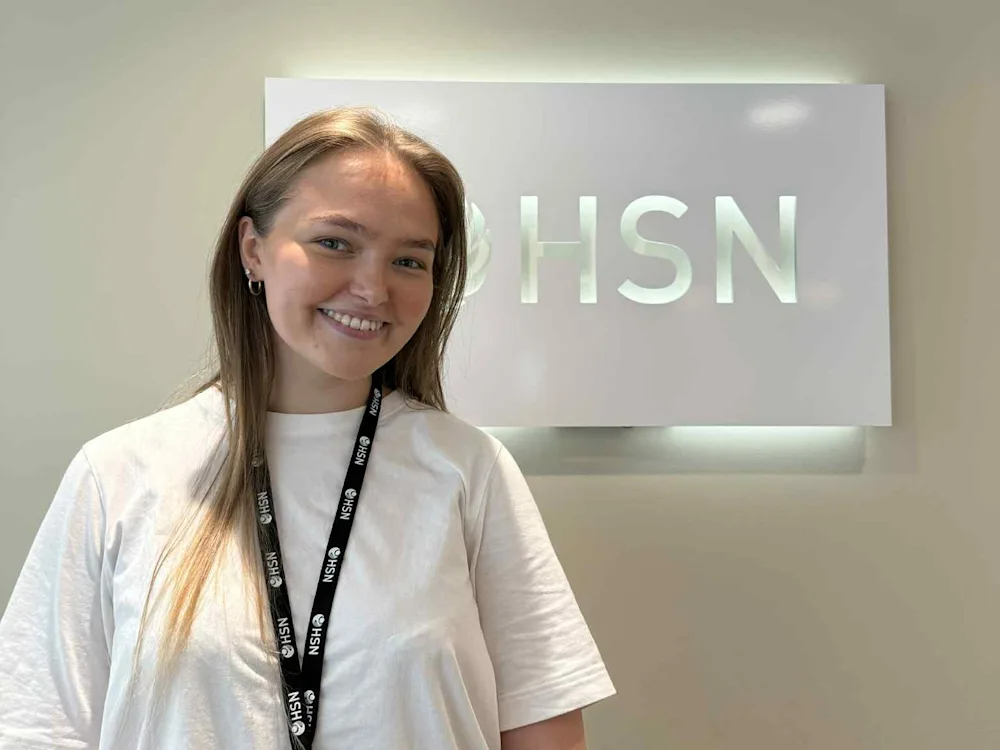
Bergþóra Lísa Björnsdóttir, a nutritionist and clinical nutrition student at the University of Iceland, joined HSN for a temporary summer project. Over the past few months, she has been working on developing educational materials and clinical guidelines on nutrition that healthcare professionals in HSN’s health promotion services, psychosocial services, and home nursing can use in their work.
There has been a lack of accessible, targeted, and consistent nutritional information within the healthcare sector. “There is a lot of educational material available on nutrition in various places, such as at Landspítali and the Development Centre for Primary Healthcare in Iceland, but the material is scattered and it can be difficult to determine what is most suitable for each client. I therefore compiled publicly available and published materials that are useful for health promotion and home nursing, incorporated course materials from my studies, categorized them, and added new content where needed.”
Tailored nutrition for different needs
The categories Bergþóra works with include obesity and type 2 diabetes, both in early stages and more advanced cases. She has also developed materials on elderly nutrition, focusing both on malnutrition and general guidelines. Additionally, she has compiled guidance on nutrition in cases of eating disorders, especially in children, as well as general recommendations that can benefit diverse groups.
Bergþóra has collaborated closely with healthcare professionals in health promotion and psychosocial services and received valuable feedback on the content. In consultations with clients, it often becomes clear what kind of education is missing—people frequently ask what they should eat, what to avoid, and other diet-related questions. “Healthcare professionals can sometimes feel a bit lost when it comes to advising clients, lacking targeted materials to offer. There has simply been a need to gather recognized information and knowledge in one place within HSN and make it easily accessible.”
Malnutrition in the sick and elderly
Proper nutrition is crucial for the sick and elderly, and it is important to identify and prevent malnutrition among clients. Screening tools are used to identify individuals at risk so that appropriate recommendations can be made, such as for supplemental nutrition or other interventions. “As people age or become ill, their eating habits often change. Some lose a lot of weight without concern, but the reasons may lie in nutrition or persistent digestive issues, which are not a normal physical condition.”
Lack of educational materials on obesity and eating disorders
Bergþóra discovered a lack of educational materials useful in treatment related to obesity. “There was simply a lack of tools to support this work. Staff in health promotion services receive many questions related to overweight, and with this material, they can better educate people—for example, on how to read food labels. This is a living database that we will continue to expand as experience grows.”
A similar situation applies to educational materials for individuals with eating disorders, especially children. “Eating disorders can be very diverse, and new research and clinical guidelines are published regularly. Therefore, it is important to have updated materials that can be used in practice and to give staff the opportunity to apply nutritional science more effectively than before. We are talking about collaboration for the best treatment for the client, based on physical, psychosocial, and other factors—and nutrition plays a key role.”
Nutrition increasingly important in treatments
“I started studying nutrition in 2021 and have noticed growing awareness of the importance of the field and the role of nutritionists within the healthcare system,” says Bergþóra. “Unfortunately, the nation’s health is often lacking; overweight is increasing, and the need for reliable, scientific information and clinical guidelines is becoming more urgent. Nutrition and diet can be very beneficial in treatments, and both healthcare professionals and clients are showing increased interest in participating in their own health through diet.”