
The Healthcare Institution of North Iceland
Increased Communication with Relatives of Nursing Home Residents Enhances Quality of Care
11th November 2025
Relatives and spouses play an important role in the lives of nursing home residents. Both daughters and sons participate in caregiving, but their needs and expectations toward staff and care differ. Maria Finster Úlfarsson, a nurse at HSN in Sauðárkrókur, is researching this topic as part of her doctoral studies at the University of Akureyri.
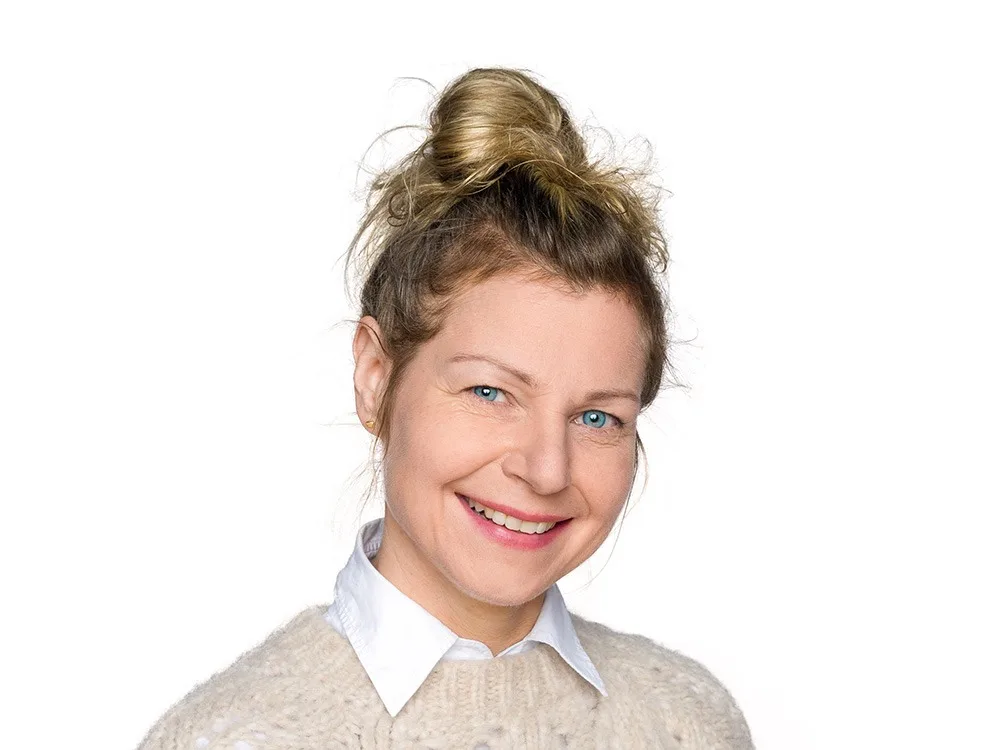
Her PhD project, “Participation, Support and Educational Needs of Adult Children in Caring for Mothers in Nursing Homes”, focuses on examining gender differences in adult children’s involvement in caring for their mothers and identifying their needs for education and support. The first study focuses on sons of residents, while Maria’s master’s thesis explored daughters’ experiences. “In my work, I saw how emotionally difficult it could be for daughters to visit their mothers. That’s why I wanted to research daughters’ experiences first, and then it was a natural next step to look at sons’ experiences.”
Providing Tools to Meet Diverse Needs
Another study involves translating and adapting a questionnaire that enables healthcare professionals to provide more targeted and individualized education and support. “Some relatives are satisfied with the care as it is, while others want more information and to take an active role. That’s why it’s important to have tools like questionnaires to help professionals assess and meet the diverse needs of relatives.” Such a tool has been lacking in Iceland. In Canada, however, a special questionnaire has been developed to assess family participation in nursing homes and the family’s perception of its importance. Maria hopes a similar tool can be useful in Iceland. “The results help build dialogue between staff and relatives, fostering better relationships and improving service quality. With standardized tools like this, we get immediate feedback and better understand what each person needs and wants. This way, we can build trust and mutual understanding.”
Gender Differences in Experience
Initial findings suggest differences in how genders experience caregiving. “Sons who participated seem to emphasize their independence, maintaining some distance from their mother and her situation, while daughters in the master’s study strongly emphasized maintaining close ties. Of course, this is not universal—relationships can strengthen or change in other ways when a mother moves into a nursing home. Some even feel the relationship improves under these circumstances, as life experience brings more balance and creates opportunities to enjoy time together.”
The Importance of Open Dialogue
Good communication between staff and relatives is key. A translated and adapted questionnaire would help determine what information relatives want, how they wish to participate in daily care, and how communication should be structured. “Relatives are sometimes unsure about their role, but they need to feel secure in their interactions with staff. It’s important for staff to know how the relative interprets participation—whether they want to be actively involved, for example during bedtime or mealtimes, or how important it is for them to be asked and informed about care decisions so that these opportunities can be offered. Professionals can support finding the right level of involvement and ways that respect boundaries. When we have this knowledge, we can build more trusting communication and discuss expectations and experiences of support.”
The third study is a cross-sectional survey examining gender differences in adult children’s participation in caring for their mother in a nursing home. Such a quantitative study has not been conducted in Iceland before. The plan is to send a survey to about 3,500 sons and daughters, aiming for a 30% response rate. Maria is collaborating with the University of Akureyri Research Center on the implementation. “Reaching 3,500 participants is an ambitious goal, but a large sample ensures significant results that help us understand adult children’s experiences of participation in nursing home care in Iceland. My hope is that the findings will lead to better services and experiences for relatives.”
Human Connection and Kindness
Maria is originally from Germany and first came to Iceland in 2007 seeking adventure. She soon met her husband and decided to stay. She studied nursing, which led her to work at the HSN nursing home in Sauðárkrókur, where she has worked for many years. “It’s good to be here and in this rewarding job. I’ve learned a lot, especially about the importance of good communication with relatives in these situations. This research confirms what I’ve felt in my work—that relatives need more attention. We are often very busy, but showing respect, smiling, or offering a cup of coffee takes no time and can have a big impact. I find that relatives appreciate being asked and given information so they know they can have opinions. Sometimes people are exhausted, and then it’s good that they can receive support and acknowledgment of those feelings from us without feeling guilty. This way, we support both the relatives and their parents. If the relative feels good, the resident feels good too.”University of Akureyri.
Her PhD project, “Participation, Support and Educational Needs of Adult Children in Caring for Mothers in Nursing Homes”, focuses on examining gender differences in adult children’s involvement in caring for their mothers and identifying their needs for education and support. The first study focuses on sons of residents, while Maria’s master’s thesis explored daughters’ experiences. “In my work, I saw how emotionally difficult it could be for daughters to visit their mothers. That’s why I wanted to research daughters’ experiences first, and then it was a natural next step to look at sons’ experiences.”
Providing Tools to Meet Diverse Needs
Another study involves translating and adapting a questionnaire that enables healthcare professionals to provide more targeted and individualized education and support. “Some relatives are satisfied with the care as it is, while others want more information and to take an active role. That’s why it’s important to have tools like questionnaires to help professionals assess and meet the diverse needs of relatives.” Such a tool has been lacking in Iceland. In Canada, however, a special questionnaire has been developed to assess family participation in nursing homes and the family’s perception of its importance. Maria hopes a similar tool can be useful in Iceland. “The results help build dialogue between staff and relatives, fostering better relationships and improving service quality. With standardized tools like this, we get immediate feedback and better understand what each person needs and wants. This way, we can build trust and mutual understanding.”
Gender Differences in Experience
Initial findings suggest differences in how genders experience caregiving. “Sons who participated seem to emphasize their independence, maintaining some distance from their mother and her situation, while daughters in the master’s study strongly emphasized maintaining close ties. Of course, this is not universal—relationships can strengthen or change in other ways when a mother moves into a nursing home. Some even feel the relationship improves under these circumstances, as life experience brings more balance and creates opportunities to enjoy time together.”
The Importance of Open Dialogue
Good communication between staff and relatives is key. A translated and adapted questionnaire would help determine what information relatives want, how they wish to participate in daily care, and how communication should be structured. “Relatives are sometimes unsure about their role, but they need to feel secure in their interactions with staff. It’s important for staff to know how the relative interprets participation—whether they want to be actively involved, for example during bedtime or mealtimes, or how important it is for them to be asked and informed about care decisions so that these opportunities can be offered. Professionals can support finding the right level of involvement and ways that respect boundaries. When we have this knowledge, we can build more trusting communication and discuss expectations and experiences of support.”
The third study is a cross-sectional survey examining gender differences in adult children’s participation in caring for their mother in a nursing home. Such a quantitative study has not been conducted in Iceland before. The plan is to send a survey to about 3,500 sons and daughters, aiming for a 30% response rate. Maria is collaborating with the University of Akureyri Research Center on the implementation. “Reaching 3,500 participants is an ambitious goal, but a large sample ensures significant results that help us understand adult children’s experiences of participation in nursing home care in Iceland. My hope is that the findings will lead to better services and experiences for relatives.”
Human Connection and Kindness
Maria is originally from Germany and first came to Iceland in 2007 seeking adventure. She soon met her husband and decided to stay. She studied nursing, which led her to work at the HSN nursing home in Sauðárkrókur, where she has worked for many years. “It’s good to be here and in this rewarding job. I’ve learned a lot, especially about the importance of good communication with relatives in these situations. This research confirms what I’ve felt in my work—that relatives need more attention. We are often very busy, but showing respect, smiling, or offering a cup of coffee takes no time and can have a big impact. I find that relatives appreciate being asked and given information so they know they can have opinions. Sometimes people are exhausted, and then it’s good that they can receive support and acknowledgment of those feelings from us without feeling guilty. This way, we support both the relatives and their parents. If the relative feels good, the resident feels good too.”