
The Healthcare Institution of North Iceland
This news article is more than a year old
Advanced Nursing Strengthens Rural Healthcare
3rd October 2025
Nurses working at small rural health centers often take on a wider range of responsibilities than those in larger facilities. Jóna Ósk Antonsdóttir, a nurse at HSN in Reykjahlíð, recently completed a master’s degree at the University of Akureyri, focusing on rural primary healthcare.
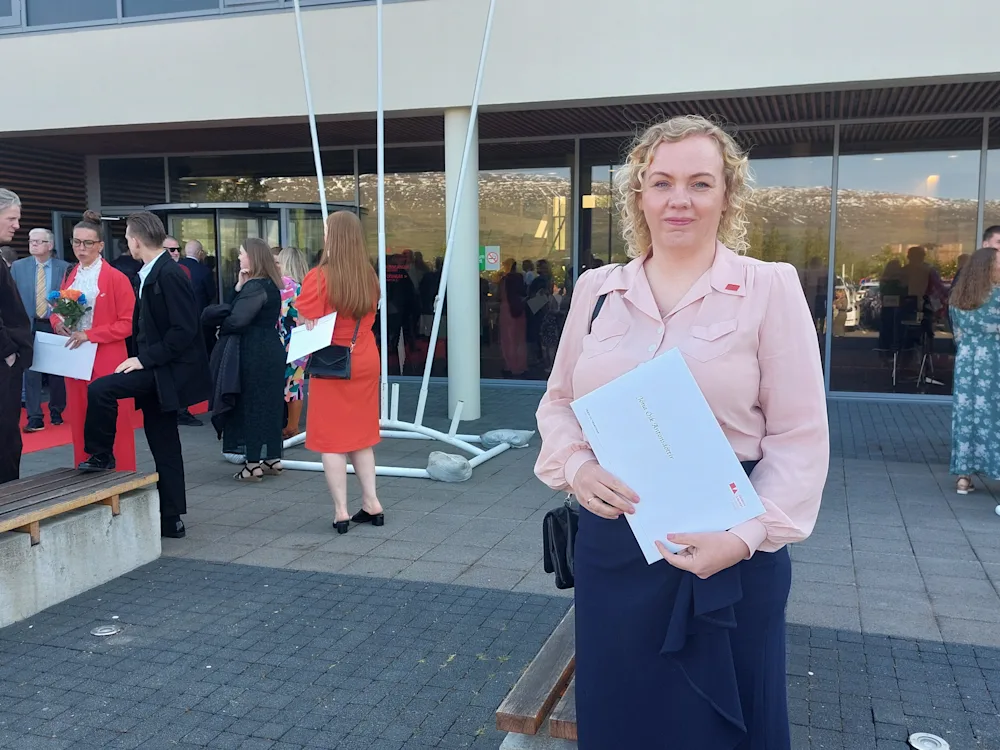
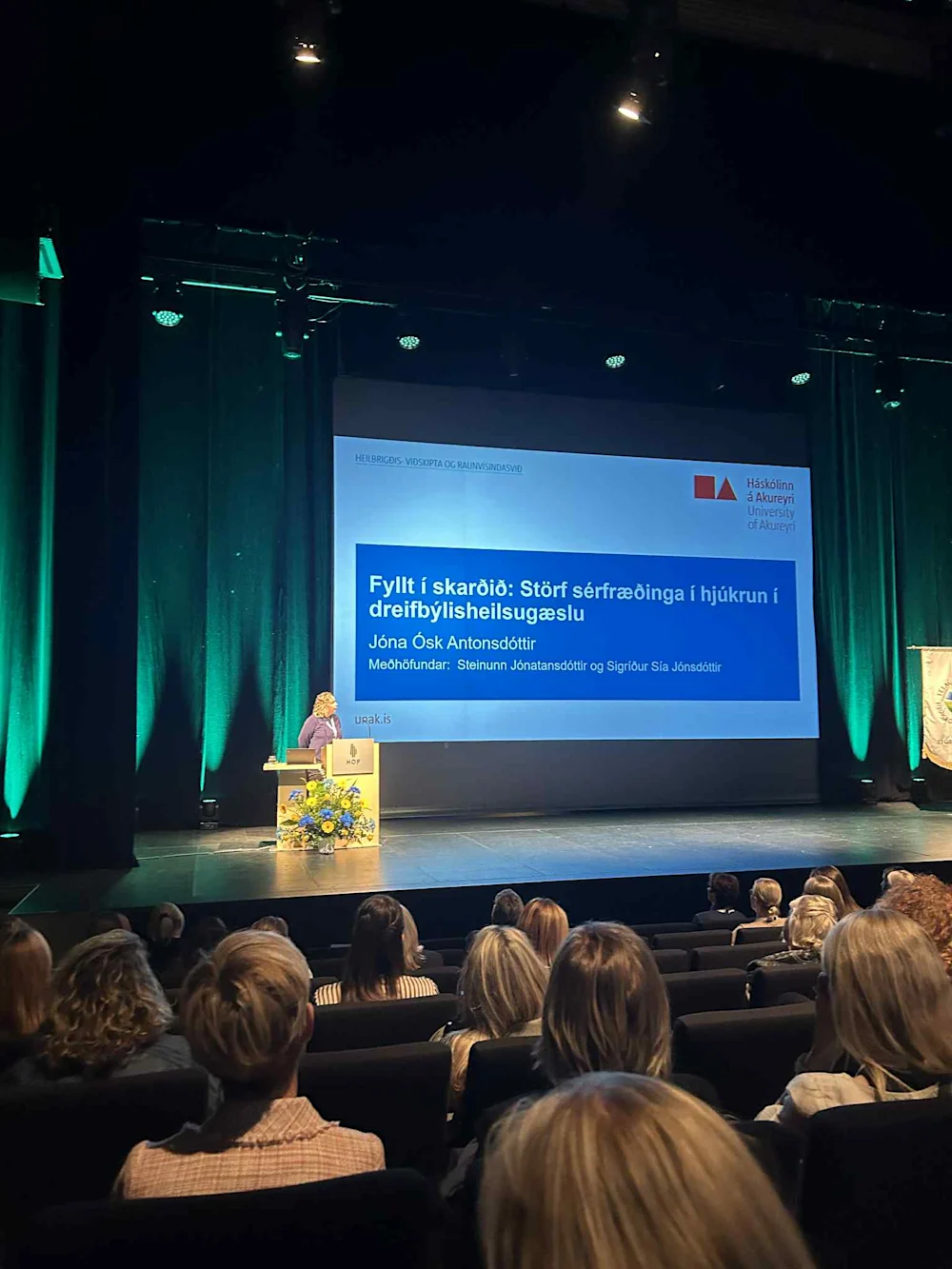
Nurses working at small rural health centers often take on a wider range of responsibilities than those in larger facilities. In these areas, physicians may only be present part-time, and the nearest hospital can be far away. Despite this, the scope of tasks can be just as diverse as in urban settings. Jóna Ósk Antonsdóttir, a nurse at HSN in Reykjahlíð, recently completed a master’s degree at the University of Akureyri, focusing on rural primary healthcare. She presented her thesis, Filling the Gap: The Role of Advanced Practice Nurses in Rural Primary Care, at the Nursing 2025 conference, where she explored whether rural nursing should be recognized as a specialized field of education.
“Conditions and access to healthcare are different in rural areas compared to urban ones. I’m often alone here, and the general practitioner is only available four hours a week. The ambulance can be far away, so I have to handle a wide variety of tasks,” she explains. This situation led her to pursue a master’s degree in primary care nursing, and she is now working toward becoming a certified specialist in the field. She believes advanced nursing is key to strengthening services and improving access in rural areas: “We often take on tasks that aren’t typically considered our responsibility, but in rural settings, we are often the only support available. This means we sometimes have to stretch into other professional roles, which increases our level of responsibility.”
International Inspiration
Advanced practice nursing has been developed for decades in the United States and Canada to address physician shortages and long waiting lists in rural areas. “Research from these countries shows that advanced practice nurses improve access to care, reduce wait times, and enhance continuity of services.” Australia and New Zealand are also leaders in rural nursing development, while Europe is still catching up. Norway and Ireland are among the most advanced in this area.
Broad Role of Rural Nurses
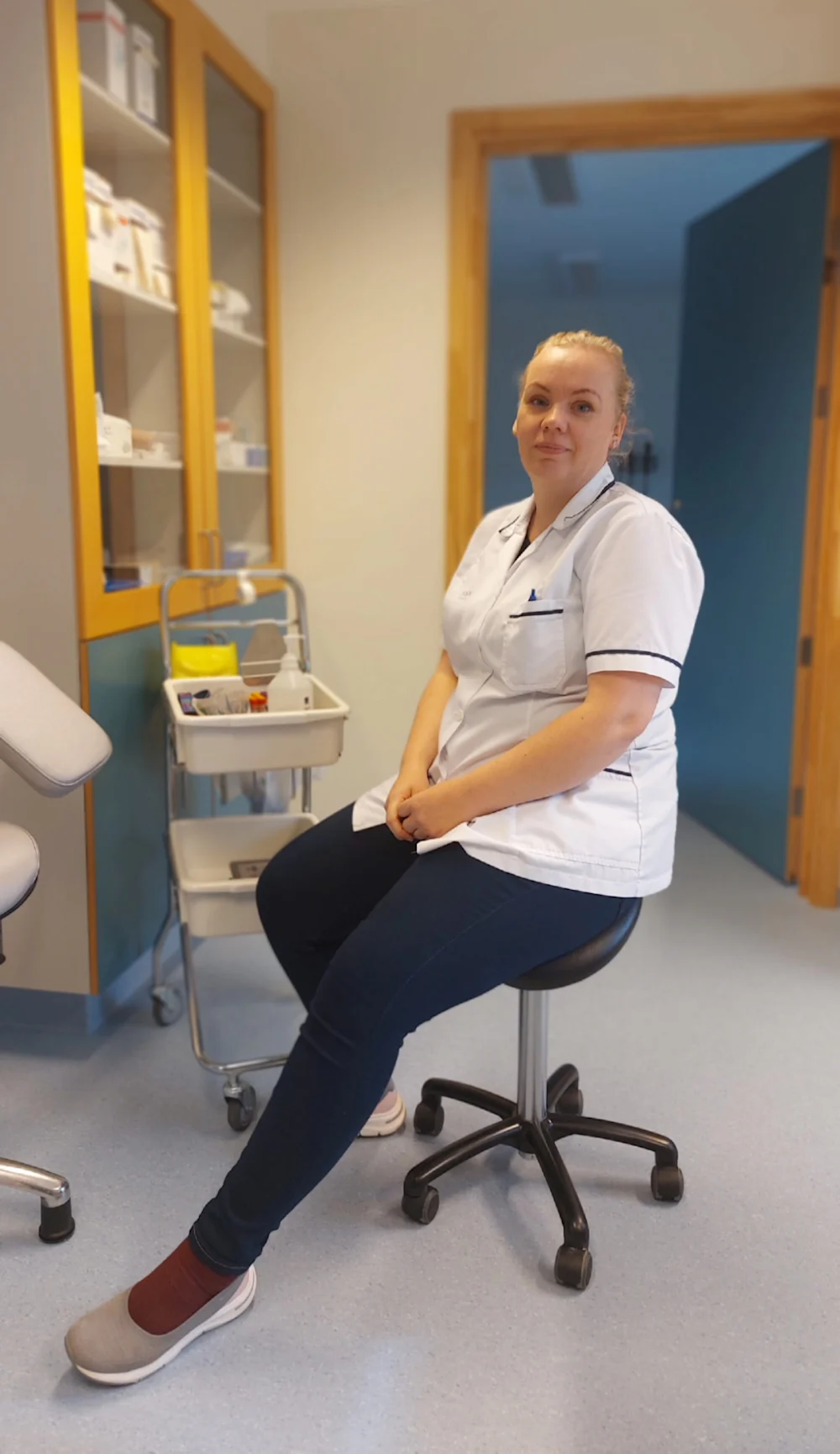
Jóna Ósk’s work spans everything from infant care to end-of-life treatment—and everything in between. She oversees task coordination at the clinic and follows up on treatments. “Not having a physician on-site regularly presents challenges for nurses, especially since our authority to initiate treatments is limited. Today, after additional education, we can prescribe hormonal medications like contraceptives, but that’s the only extended authority we currently have.” However, HSN is working to better distribute workloads, such as through health promotion clinics, where nurses lead care coordination, order blood tests, and interpret results—though physicians remain available and retain final responsibility for diagnostics, prescriptions, and complex cases. International research shows positive outcomes from increased nurse responsibility in patient care, improving continuity and easing the burden on doctors. “A formal role for advanced practice nurses would shift more responsibility to nurses, who, with further education, could gain authority to manage specific treatments. More complex cases would still be referred to physicians.”
Education Tailored to Rural Practice
The University of Akureyri, in collaboration with HSN and other institutions, offers a flexible master’s program in primary care nursing, allowing nurses to complete clinical training while receiving a salary. “I believe we should further develop a specialized field in rural nursing, as resources are fewer and responsibilities greater. With rigorous standards, nurses could receive appropriate education and training for specific tasks, which would also boost their confidence and sense of security in these circumstances.”
Reducing Health Inequities in Rural Areas
The World Health Organization (WHO) has emphasized that advanced nursing education can help reduce health disparities in rural and vulnerable regions. “This is a major public health issue. It’s certainly an advantage for smaller health centers like ours to be part of a larger institution like HSN. It reduces professional isolation and gives us access to general practitioners and other specialists, but it’s still not the same as in urban areas. The population is aging, and addressing physician shortages—especially in remote areas—will become even more urgent.”
According to Jóna Ósk, Iceland may be better positioned than many other countries to implement advanced practice nursing. “Elsewhere, complex payment systems are often the main obstacle, but here, the healthcare system is publicly funded and we have a single national health insurance provider, which simplifies the process. Of course, there are challenges—obtaining legal authority takes time and requires consensus within the system and among healthcare professionals. But I believe we’re in a strong position to implement this successfully.”