
Land and Forest Iceland
Winners of the Peatland LIFEline logo design competition
29th December 2025
The proposal submitted by Gunnar Karl Thoroddsen, a student at the Iceland University of the Arts, was selected as the winning entry in a competition to design the visual identity for the Peatland LIFEline project. Six-year-old Marey Ólafía Kristinsdóttir also received recognition for her delightful drawing, which inspired the winning logo.
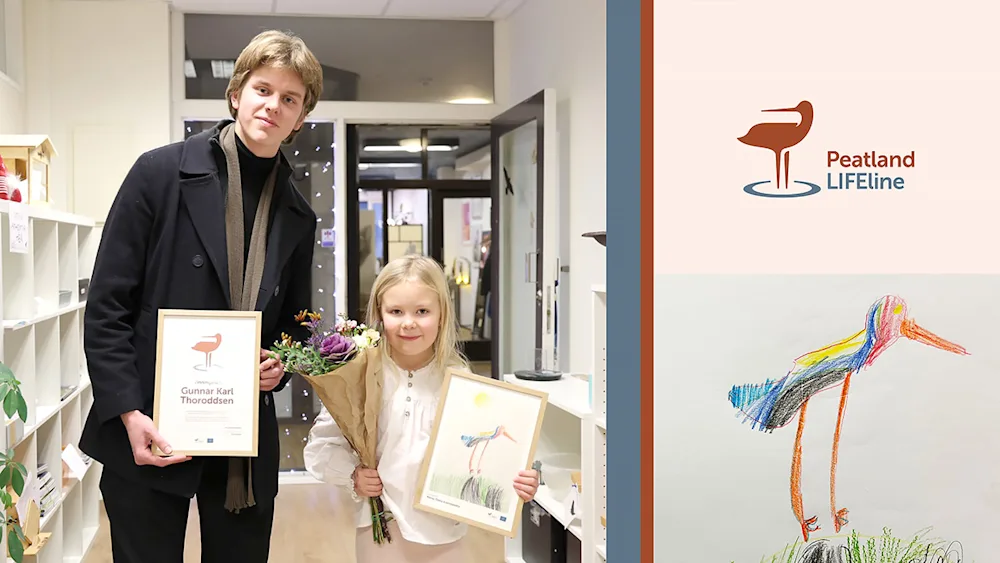
The winners Marey Ólafía Kristinsdóttir and Gunnar Karl Thoroddsen.
The aim of the design competition was to find a logo that would capture the spirit of Icelandic wetlands – restoration and connection with nature. The competition was open to design students and was based on original ideas derived from 24 drawings created by children and young people at the annual science fair event Vísindavaka 2025. Each participant was permitted to submit up to two proposals accompanied by a short written rationale.
The judging panel assessed the submitted entries according to a set of criteria focusing on relevance to the project, originality, simplicity and clarity, use of colour, and connection to children’s drawings. All design students were encouraged to take part in the competition.
After careful deliberation, the judging panel selected Gunnar Karl Thoroddsen, a student at the Iceland University of the Arts (IUA), as the winner. The awards were presented at the offices of BirdLife Iceland on Wednesday 17 December. Alongside Gunnar, six-year-old Marey Ólafía Kristinsdóttir received recognition for her playful drawing, which served as inspiration for the winning logo.
The judging panel consisted of visual artist Eggert Pétursson, Nick Folkard, representative of the UK conservation organisation RSPB, and Fífa Jónsdóttir, Chair of the panel and Science Communication Specialist at Land and Forest Iceland. The panel received eight high-quality proposals from five students at the Iceland University of the Arts.
In their assessment, the judges stated that they were unanimous in agreeing that the winning design successfully captured the essence of the project and conveyed it in a simple and accessible manner.
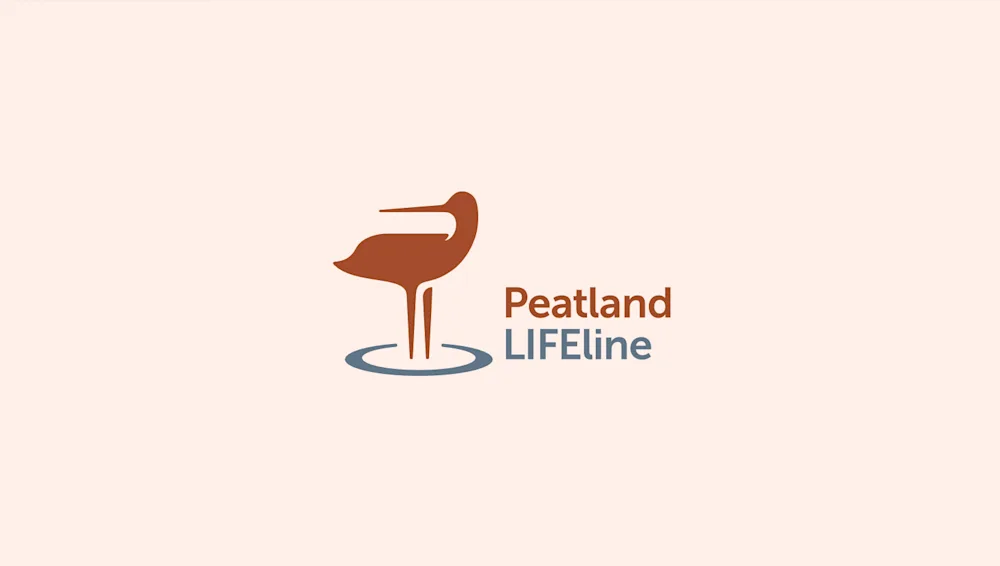
The logo is a simplified depiction of a moorland bird, the Black-tailed godwit, at the edge of water, clearly expressing the core values of the project. The panel was immediately impressed by Gunnar’s proposal, finding it cohesive and well thought out from the outset. The graphic interpretation of the bird is simple yet possesses a pleasing sense of depth. In line with the competition brief, the designer drew inspiration from a child’s drawing, specifically that of Marey Ólafía Kristinsdóttir (aged six). Their shared visual language demonstrates a strong connection to Icelandic nature and clearly communicates the project’s objectives. The use of colour and typography complements the imagery well, and the logo will be easy to use in promoting the project both in Iceland and internationally over the next five years.
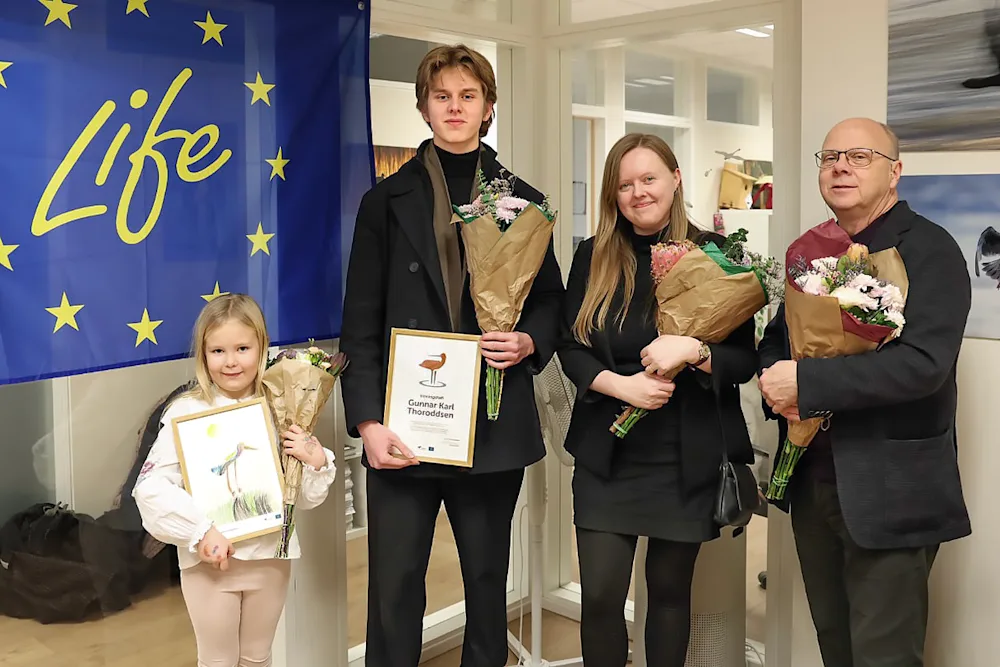
The photograph below shows the winners, Marey Ólafía Kristinsdóttir and Gunnar Karl Thoroddsen, together with members of the judging panel Fífa Jónsdóttir and Eggert Pétursson. The third panel member, Nick Folkard, wa not present at the photo op.
About Peatland LIFEline
Peatland LIFEline is a large-scale project aimed at the restoration of wetlands and biodiversity in Iceland. The project is a collaboration between seven institutions and non-governmental organisations: the Agricultural University of Iceland, Land and Forest Iceland, the Icelandic Institute of Natural History, BirdLife Iceland, the Marine and Freshwater Research Institute, the Icelandic Environment Agency, and the UK conservation organisation RSPB. The project is primarily funded by the LIFE Programme, which forms part of the European Union’s environment and climate action framework. It officially commenced on 1 September 2025 and will run until the end of February 2031, a total duration of 66 months.
The objective of Peatland LIFEline is to improve the overall understanding and knowledge of lowland wetlands in Iceland, including their ecology, biodiversity, and role in the carbon cycle. Particular emphasis is placed on the sedge fen habitat type, which has very high conservation value, as well as on the bird species common snipe (Gallinago gallinago), common redshank (Tringa totanus), and ruff (Calidris pugnax), which are important indicators of wetland health. Attention will also be given to the European eel (Anguilla anguilla), a species that is critically endangered.
Icelandic wetlands are unique in a European context, due in part to the interaction of a young geological substrate, volcanic activity, aeolian deposition, and a history of eruptions. Bird densities are high, and several species rely heavily on these habitats. The project will provide a foundation for improved assessment of the condition of wetland areas and the main challenges associated with their restoration, while also placing strong emphasis on public engagement and the dissemination of knowledge.
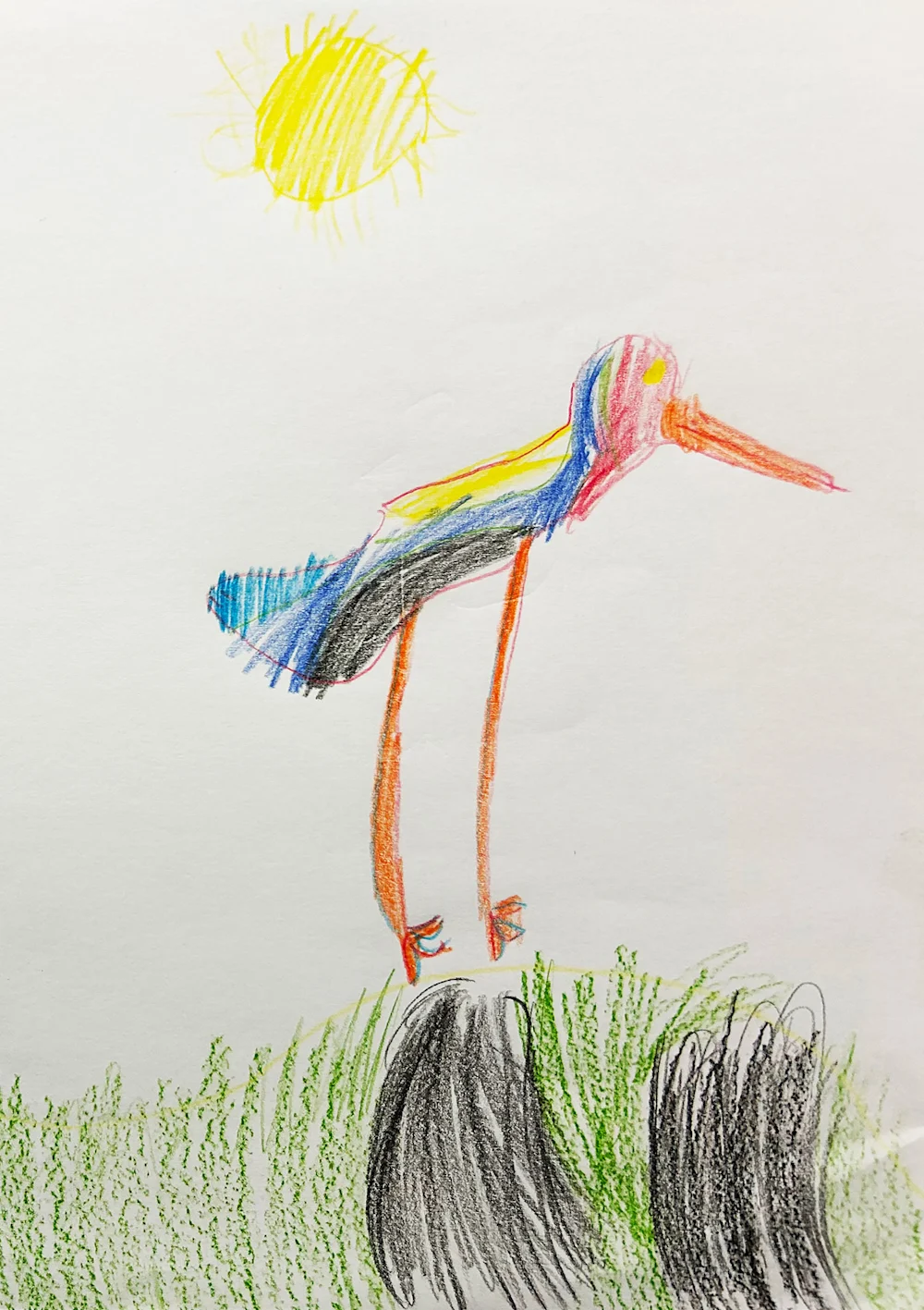
Photo credits: BirdLife Iceland
See more on the BirdLife Iceland website