Land and Forest Iceland
This news article is more than a year old
Thousand million for the wetlands
19th September 2025
Land and Forest Iceland, in collaboration with seven partners, has been awarded a grant from LIFE, the European Union's Environment and Climate Programme, to support projects focused on the protection and restoration of wetlands, with the total grant value approximating thousand million ISK.
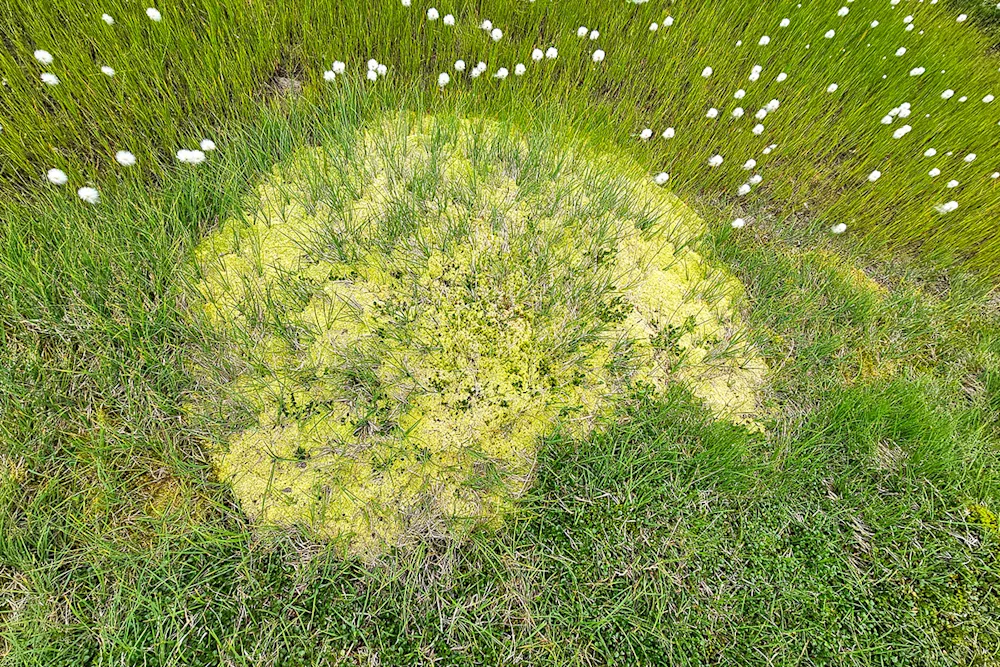
Moss in peatland. Photo credits. Pétur Halldórsson
The project, known as Peatland LIFEline.is, involves a collaborative effort. The application was submitted by the Agricultural University of Iceland, serving as the project lead, along with Land and Forest Iceland, the National Science Institute of Iceland, the Nature Conservation Agency, the Marine and Freshwater Research Institute, Bird Life Iceland, and the Royal Society for the Protection of Birds (RSPB). The application was directed to the Nature and Biodiversity sub-programme of the LIFE Programme, which aims to advance the protection and restoration of European nature, as well as to mitigate and reverse the decline in biodiversity.
The LIFE Programme will provide approximately one billion ISK to the Icelandic institutions to help restore wetlands and prevent further degradation and loss of wetlands in Iceland. The subject is complex and requires a thorough analysis that can lead to a diverse approach to restoration. The methodology of the Society for Ecological Restoration (SER, www.ser.org) will be used, as the project is considered comprehensively, in regard to both ecological and social aspects.
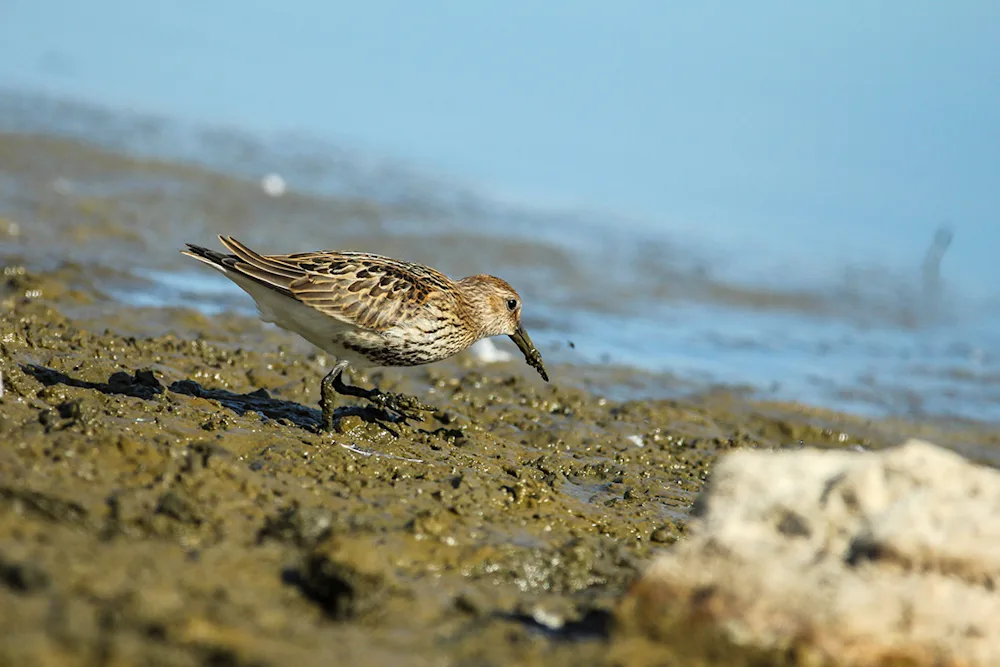
The Peatland LIFEline project seeks to enhance comprehension of Icelandic wetlands, encompassing their ecological dynamics, biodiversity, and greenhouse gas fluctuations. A primary focus will be on the ecologically significant sedge marsh ecosystems and the avian species dunlin (Calidris alpina), black-tailed godwit (Limosa limosa), and redshank (Tringa totanus).
Shaped by volcanic activity and related factors such as young rock formations, ash deposits, aeolian soils, and volcanic eruptions, Icelandic wetlands exhibit distinctive characteristics compared to those in other European regions. These unique conditions contribute to high bird densities, with several species relying heavily on these wetland habitats for their survival. The project anticipates improving the assessment and knowledge of Icelandic wetlands, their current state, and the key challenges related to restoration efforts. Furthermore, the project places significant emphasis on community engagement and knowledge dissemination.
More on the project on the EU website