
Land and Forest Iceland
Tending Pine Forests as an Art
4th March 2026
A group of foresters and private forest owners gathered for a forestry field day at Silfrastaðir in Skagafjörður on Sunday, 8 February, to discuss and develop methods for managing pine forests. Careful assessment of the potential within each stand is essential. Where the goal is to produce high-quality timber, targeted tending is recommended just a few years after planting. In this way, maximum value can be achieved with moderate effort.
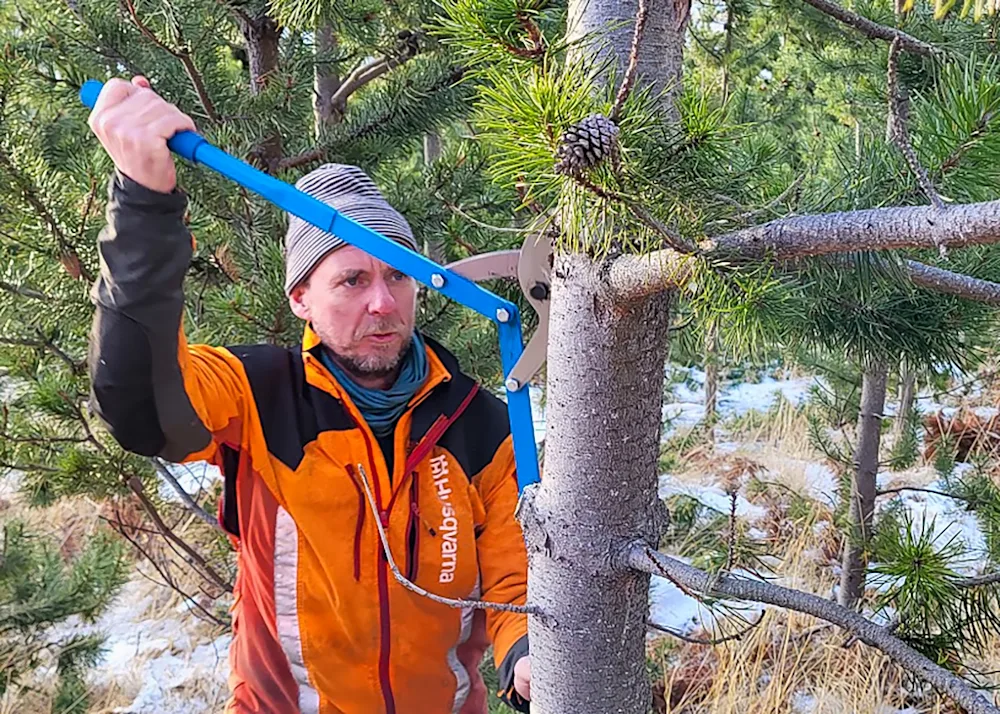
Forestry consultant Johan Holst showcasing the power of New Zealand-made pruning loppers, perfect for tackling those coarser branches! Photo credits: Sigríður Hrefna Pálsdóttir
Considerable experience has been gained in Iceland in the tending and thinning of larch and spruce forests, and there is solid knowledge of how management should be adapted to different objectives. However, methods for managing pine stands are still evolving. The aim of the field day at Silfrastaðir was to move that work forward. This initiative is part of the quality work at Land and Forest Iceland.
According to Johan Holst, forestry advisor at Land and Forest Iceland, some experience has already been built up in the tending and thinning of pine forests in the national forests, where stands are generally older than those owned by private forest farmers. Growing conditions in many of the national forests are very favourable, and in such cases it is natural to aim for the production of quality timber over time. Where conditions are more challenging, other approaches may be needed — in some cases leaving the forest largely unmanaged. Across the country, however, the time has come to begin focusing more systematically on the tending of younger pine stands.
Johan notes that part of the challenge is that pine has often been planted in exposed, windy locations. In such areas, stands may be too poorly developed to justify thinning. Elsewhere, better stands can be found where thinning is promising and valuable products can be expected in the long term.
Quality Through Intensive Management
In relatively small pine stands — particularly in North and East Iceland — Johan says it can often pay off to apply intensive management from the outset. The objective in such cases is quality rather than volume: to produce as many high-quality trees as possible per unit area. The focus is on directing growth to the most promising individuals. In time, these trees can be used for quality timber and potentially processed locally.
Johan points to New Zealand as a model, where radiata pine (Pinus radiata) is widely cultivated. Like lodgepole pine, it exhibits vigorous early growth. In New Zealand, practice has evolved towards planting larger seedlings at wider spacing rather than small seedlings densely planted. Tending begins early, and by the time trees reach 7–8 metres in height, stands have typically been reduced to around 400 trees per hectare. At that stage, all trees are delimbed for the first time, leaving a three-metre green crown at the top.
In Iceland, Johan suggests that tending could begin three to four years after planting by removing lower branches and double leaders. At around twenty years of age, 500–600 quality trees per hectare could be selected and thinned around them. The earlier the work begins, the easier it is, as the poorest trees can initially be removed with simple, lightweight tools.
Six-Metre Clear Logs
Delimbing is also a key factor in producing high-quality timber. The fewer knots in the wood, the higher its value. Johan considers it desirable to have delimbed the 600 best trees by the time the average height reaches 5–6 metres, typically at 20–25 years of age, depending on conditions. When delimbing, crown height must be taken into account, and a good rule is to maintain a three-metre green crown. Delimbing of stems should continue as the forest grows, until a height of six metres has been reached.
Pine has the advantage that it does not regenerate branches where they have been removed. With this method, it is possible over time to produce 5–6 metre clear logs with 10–15 cm of knot-free timber outside the core, provided cultivation has been successful.
Asked whether this represents excessive work for forest owners, Johan emphasises the importance of starting early and working steadily to distribute the effort. He gives the example of a forest farmer with twenty hectares of pine stands who delimbes trees on two hectares per year. This would require only a few days of work annually for one person. After ten years, all pine stands would have been pruned, significantly increasing their value.
Prioritising stands is important so that they do not outgrow manageable stages, Johan says, and the work should be systematic. These tasks can be carried out during most months of the year, though late summer through October should generally be avoided, as trees are then most susceptible to fungal infections.
Guidelines and Tools
During the field day, participants reviewed various tools suitable for early-stage forest tending. Johan notes that a wide selection of lightweight electric saws is now available on the market, along with practical and powerful hand pruning loppers. At Silfrastaðir, New Zealand-made loppers with additional leverage were tested and proved highly effective.
Johan also reports that two pine stands have already been thinned on a trial basis in order to establish cost benchmarks for such work. In addition, quality criteria are being developed to assess when pine stands are sufficiently promising to justify thinning and other targeted management. Factors beyond growth conditions and tree quality must be considered — not least accessibility and proximity to roads to ensure that utilisation is economically viable.
In cases where intensive management is not considered worthwhile, the focus will instead be on removing the poorest trees and coarsest branches to improve access for both people and machinery. Such management can also help reduce wildfire risk, enhance forest health, and improve the overall appearance of the forest.
Ultimately, Johan concludes, forest management is an art. As in so many professions, it is essential that people develop the skills needed to tend their forests with care and artistry.
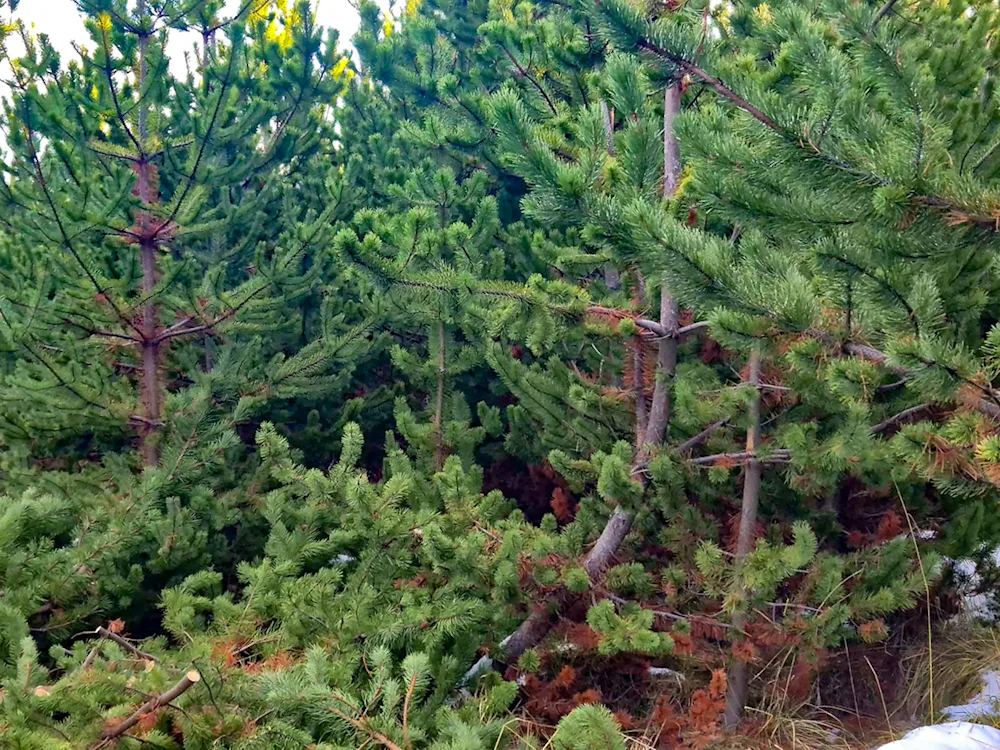
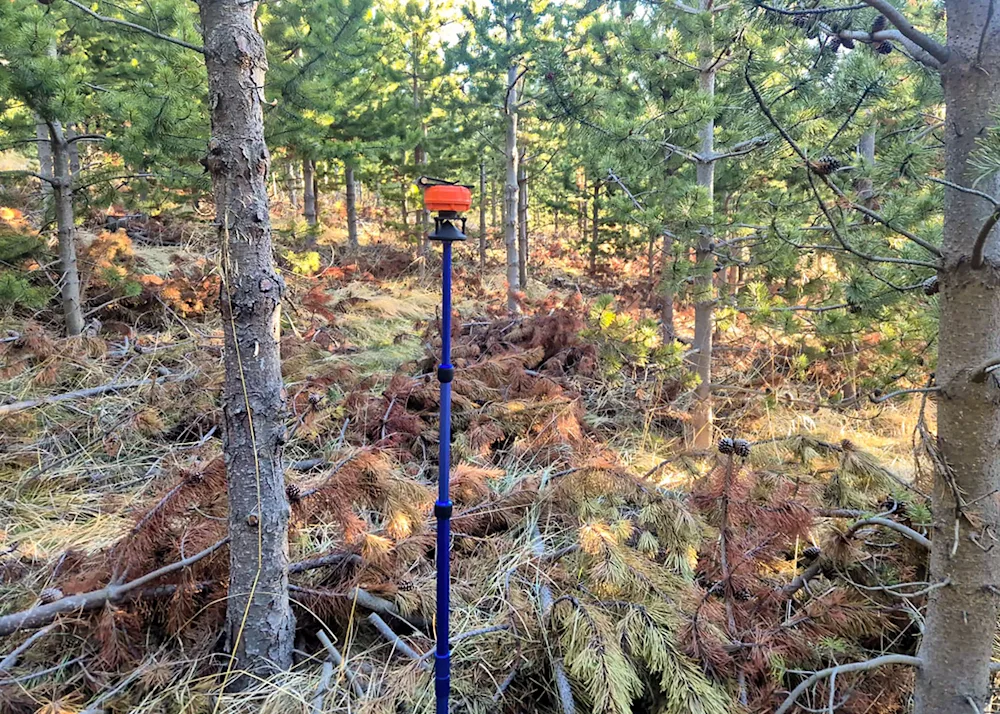
The two images above show a pine forest before and after early thinning. Modern technology is useful both for preparing plans for thinning and for post-thinning assessments. Photographs: Johan Holst.
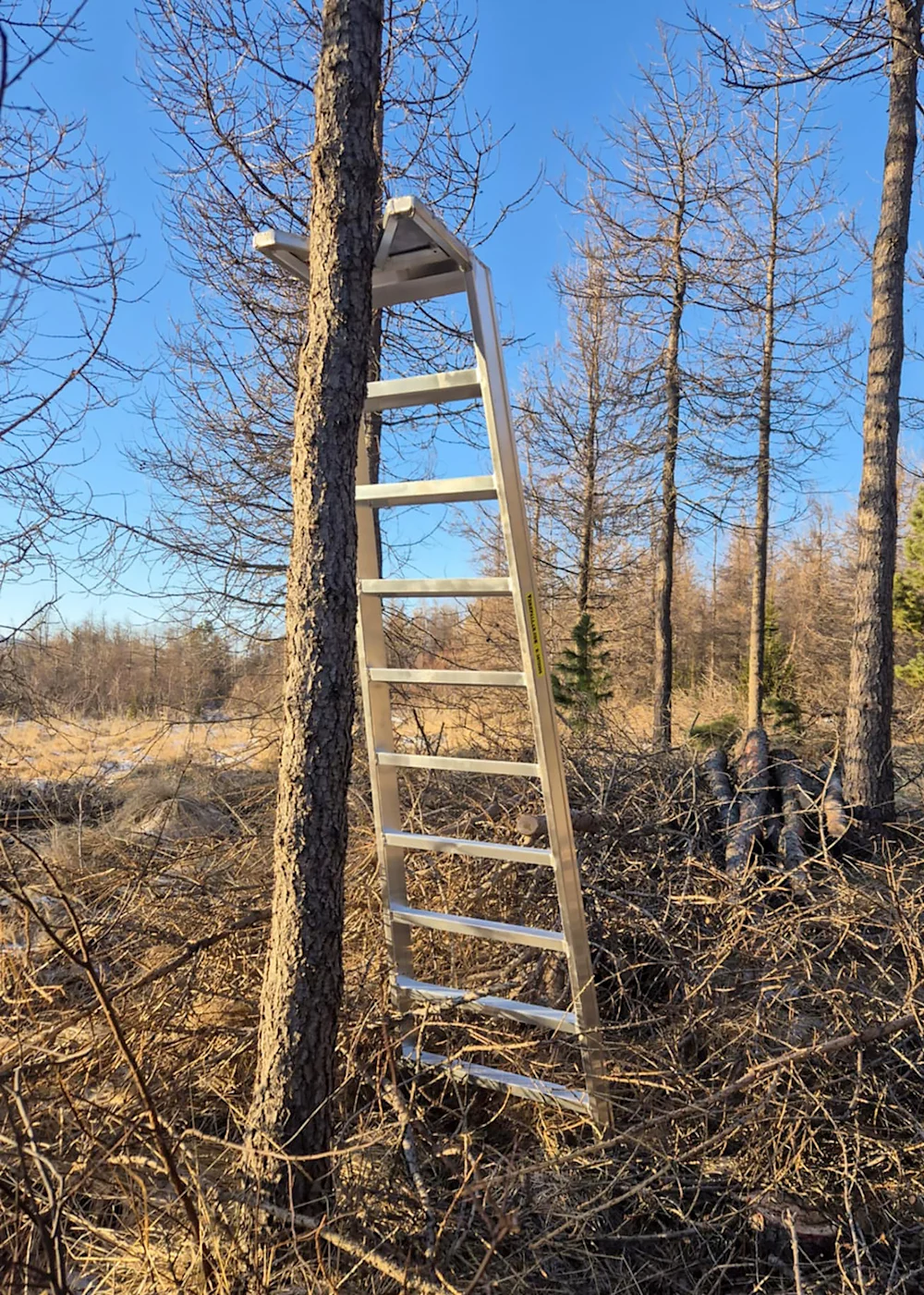
This specially made ladder facilitates access to elevated sections of trees for delimbing. To maximise timber quality and value, it is advisable to delimb the trunk to a height of six meters over time. Photo: Johan Holst.
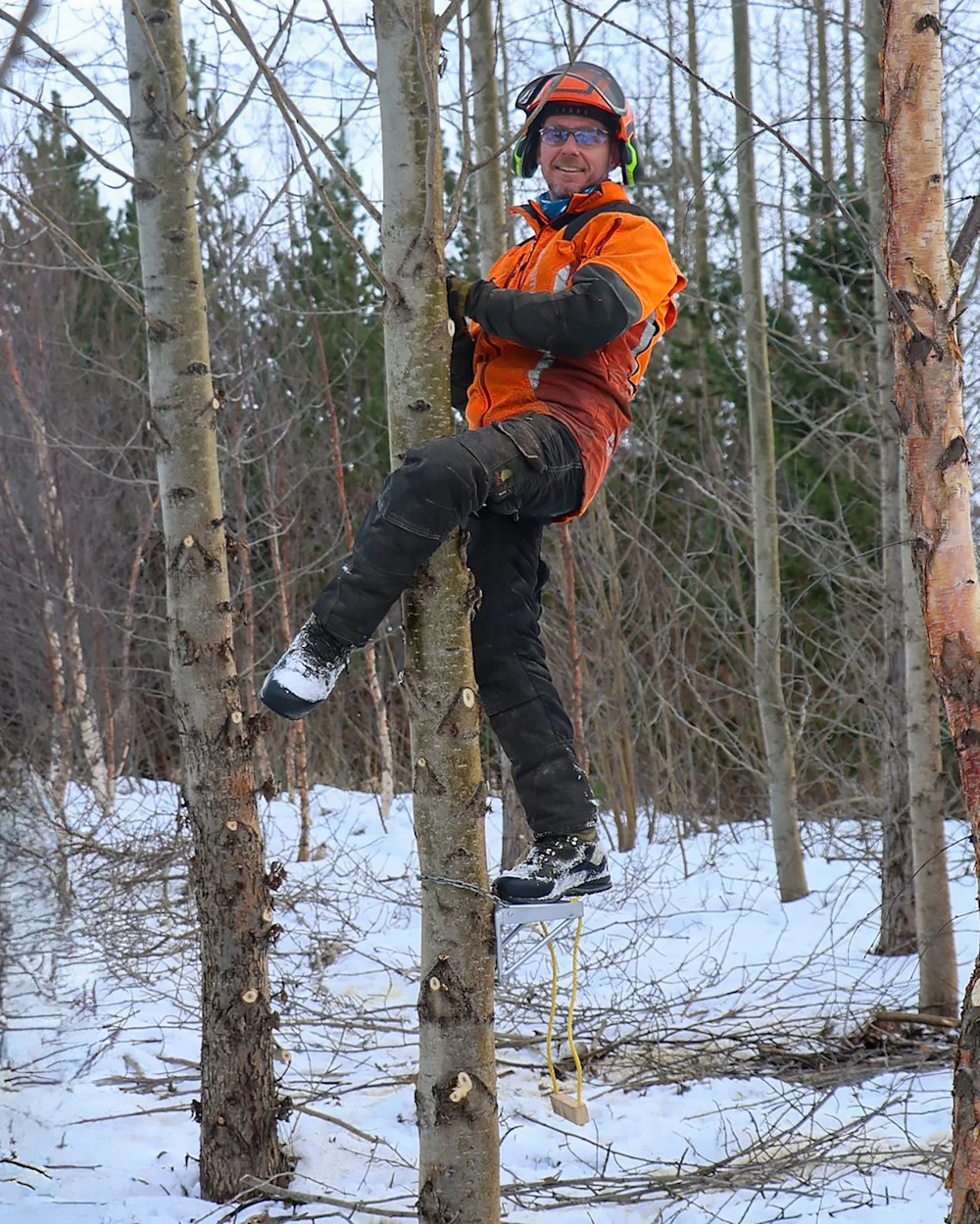
Johan has been in contact with New Zealanders, who he says have a lot of useful things to offer, when it comest to equipment for forest management. A good example is this handy step, useful for reaching higher up in the trees for delimbing. Photo: Sigurður Arnarson.