
Land and Forest Iceland
Climate-Friendly Agriculture – Farmers Lead the Way
7th October 2025
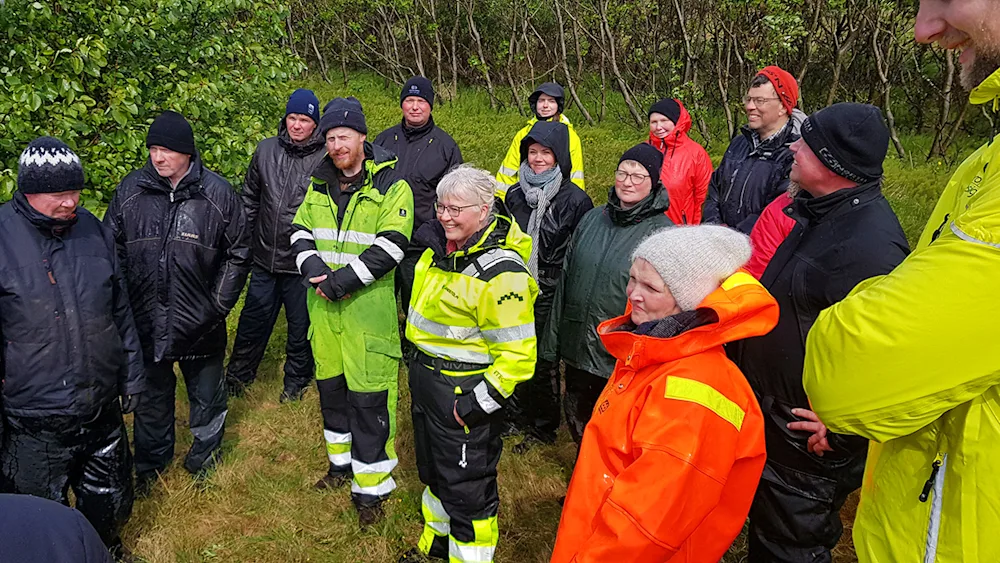
Four on-farm workshops were held across Iceland this summer under the banner of Climate-Friendly Agriculture. The workshops focused on practical climate actions and discussed ways to improve farming practices with sustainability in mind. Many of the initiatives presented are closely linked to the role and responsibilities of Land and Forest Iceland, such as shelterbelt planting, grazing management, forestry, and land restoration.
The Climate-Friendly Agriculture project (Icelandic: Loftslagsvænn landbúnaður) has been running since 2020 as a collaboration between the Agricultural Advisory Centre (RML), Land and Forest Iceland, and the Icelandic government. As of early 2025, 55 farms are registered participants. The project’s goal is straightforward: to enhance carbon sequestration in soil and vegetation while reducing greenhouse gas emissions through improved farming practices.
Workshops Across the Country
In the summer of 2025, four workshops were hosted on farms in different parts of the country — at Bessastaðir in Hrútafjörður, Heiðarbær in Þingvellir, Egilsstaðir in Fljótsdalur, and Fljótshólar in Flóahreppur. Farmers, RML advisors, and experts from Land and Forest Iceland gathered to observe local actions and discuss opportunities to make Icelandic agriculture more climate-friendly.
The workshops showcased a range of projects that reflect the work and mission of Land and Forest Iceland:
Shelterbelt planting to improve growth conditions, increase yields, and protect livestock in harsh weather.
Grazing management and new technologies that help prevent overgrazing.
Forestry to sequester carbon and create opportunities for timber and firewood production.
Land reclamation to strengthen soil, improve water retention, and boost biodiversity.
Knowledge Sharing and Dialogue
To support farmers, monthly lunchtime lectures are being held on practical topics such as shelterbelt planting, wetland restoration, fertiliser use, and solar energy in agriculture. These sessions often spark informal discussions that allow farmers to learn from one another and maintain valuable connections.
A Stronger Farming Community
The future success of the project depends on farmers sharing their experiences and ideas. This exchange builds a strong learning community that can inspire broader change beyond the group of active participants.
Through collaboration, education, and positive examples, Icelandic agriculture can become even more climate-friendly and sustainable.
For more information, visit loftslagsvaennlandbunadur.is
