Land and Forest Iceland
Vaglaskógur National Forest
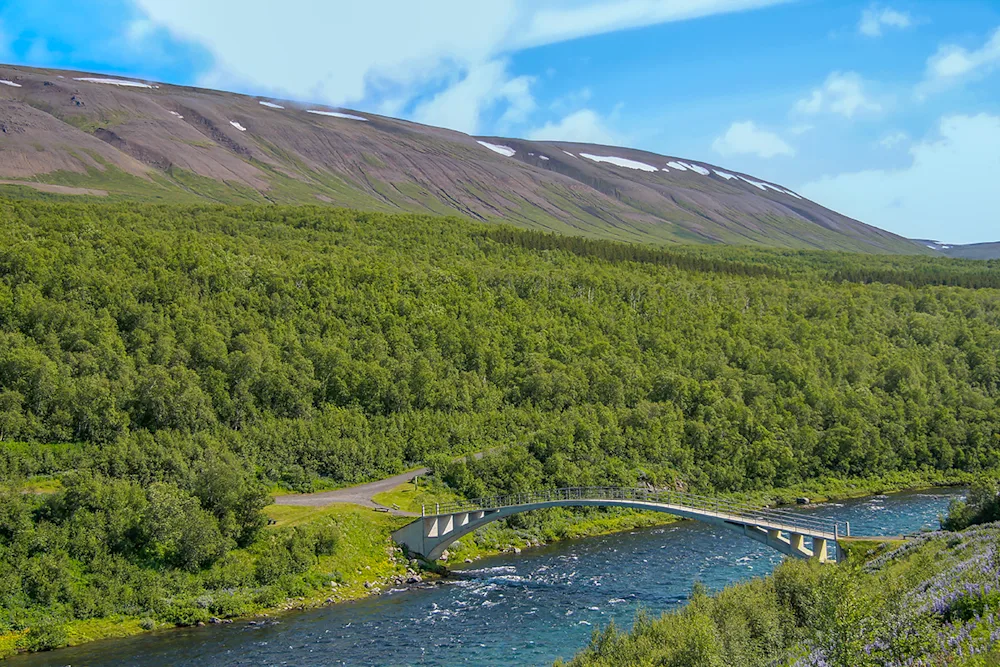
The Vaglaskógur National Forest forest in Fnjóskadalur Valley, is a popular destination in Iceland, conveniently located a 20-minute drive from Akureyri via the Vaðlaheiði Tunnel (toll road) or a 30-minute drive via the Víkurskarð mountain pass. The forest covers approximately 4.5 square kilometers.

Each year, thousands of tourists visit the forest, equally for camping as for enjoying outdoor recreation. The forest is great for outdoor activities year round and you will find a variety of walking trails, in all 12.2 kilometres in length. The forest holds several nice camping areas, suitable for tents or caravans alike during the summer.

Facilities and recreation
Vaglaskógur, a leading Icelandic forest destination.
The forest offers extensive outdoor recreation opportunities.
Well-maintained hiking trails are established throughout the forest.
The forest boasts of popular campsites with varied facilities – booking on parka.is.
An arboretum showcasing diverse tree species further enhances the visitor experience.
A downloadable brochure, including a trail map, is available.
Facilities and Recreation: Vaglaskógur, a leading Icelandic forest destination, offers extensive outdoor recreation opportunities. Well-maintained hiking trails are established throughout the forest, complemented by popular campsites and nearby summer houses. An arboretum showcasing diverse tree species further enhances the visitor experience. A downloadable brochure, including a trail map, is available.
Use and ecology
Birds seek out the forest for food, nesting sites and shelter against predators. Of common bird species worth mentioning are the redwing (Turdus iliacus), wren (Troglodytes troglodytes), snipe (Gallinago gallinago), redpoll (Carduelis flammea) and rock ptarmigan (Lagopus mutus). You can also see, or at least hear, Europe’s smallest bird species, the goldcrest (Regulus regulus), which in recent years has been colonising Icelandic conifer woods. Many go to Vaglaskógur Forest for botanising or mushroom or berry-picking. In Vaglaskógur Forest, you will find various kinds of delicious mushrooms such as the birch bolete (Leccinum scabrum), larch bolete (Suillus grevillea) or Slippery Jack mushroom (Suillus luteus). Rock bramble berries (Rubus saxatilis) are thriving well on sheltered sunny sites, especially on flowery hills in sparsely grown birchwoods and shrubs. In Vaglaskógur Forest, you will find the only known habitat in the country of the common cow-wheat (Melampyrum pratense).


History
Vaglaskógur National Forest is one of the National Forests in Iceland with the oldest traditions of wood-harvesting. In early 20th Century, the Icelandic state bought the farm Vaglir in Fnjóskadalur Valley of which the forest draws its name. In 1909, the forest was put under protection by law and subsequently, the Icelandic Forest Service began its activities in Vaglir. The paired images above illustrate the same forest area, separated by a time interval of slightly more than a century, specifically 1908 and 2014.

No other Icelandic birch forest has been exploited and managed longer than Vaglaskógur National Forest. Thinning and harvesting has been ongoing since the beginning of activities in 1909. Today, Vaglaskógur Forest is one of the tallest growing birchwoods in Iceland and more straight growing trees of downy birch are difficult to find elsewhere in Iceland. Vaglaskógur National Forest has for centuries been a steady source for first class firewood and that is still the case. The Vaglir birch is characterised by its light-coloured stems. Here, the birch can easily reach well over 10 meters in height and about 150 years in age.

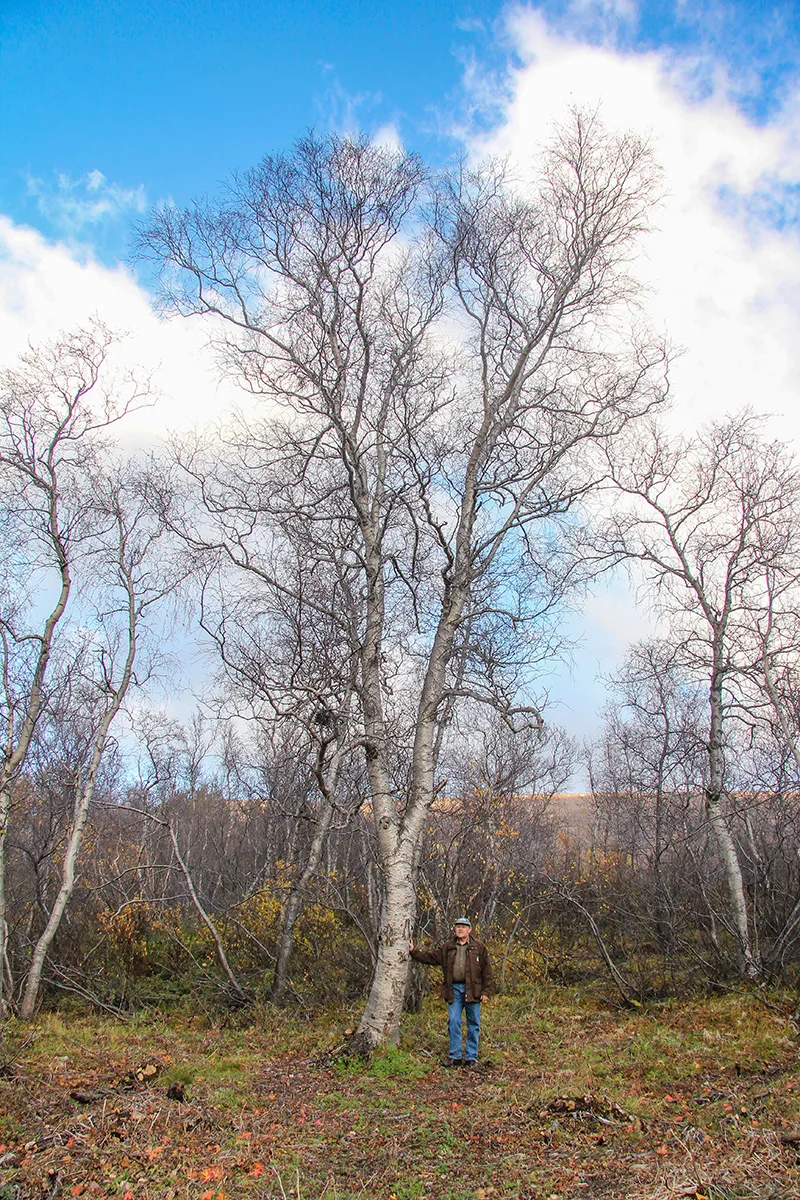
From the start in 1909, about 700.000 seedlings of 26 different tree species have been planted in Vaglaskógur Forest and the nearby area of Hálsmelar, adjacent to the north. In Vaglaskógur Forest you will find the tallest known specimen of downy birch growing naturally in Iceland, about 15 meters tall. The fenced-off land in the area has been expanded twice towards the north since the initial protection of Vaglaskógur Forest, first in 1946 and again in 1989. In the former expanded area, birch has been colonising naturally quite fast along with plantations of lodgepole pine and Siberian larch. The youngest area has mostly been planted with Siberian larch which already is yielding thinning wood suitable for fence pole and wood chip production.
In fact, Vaglaskógur Forest is part of one of the biggest continuous forest areas in Iceland, reaching from the farm Háls in the north, all the way to the abandoned farm of Sörlastaðir, 25 kilometres to the south in the valley. On the other side of Fnjóská River, birch woods and planted forests have also been expanding fast in recent decades as sheep grazing has been declining and greater emphasis put on afforestation.
Vaglaskógur National Forest represents the sole documented habitat in Iceland for the forest floor species Common cow-wheat (Melampyrum pratense).
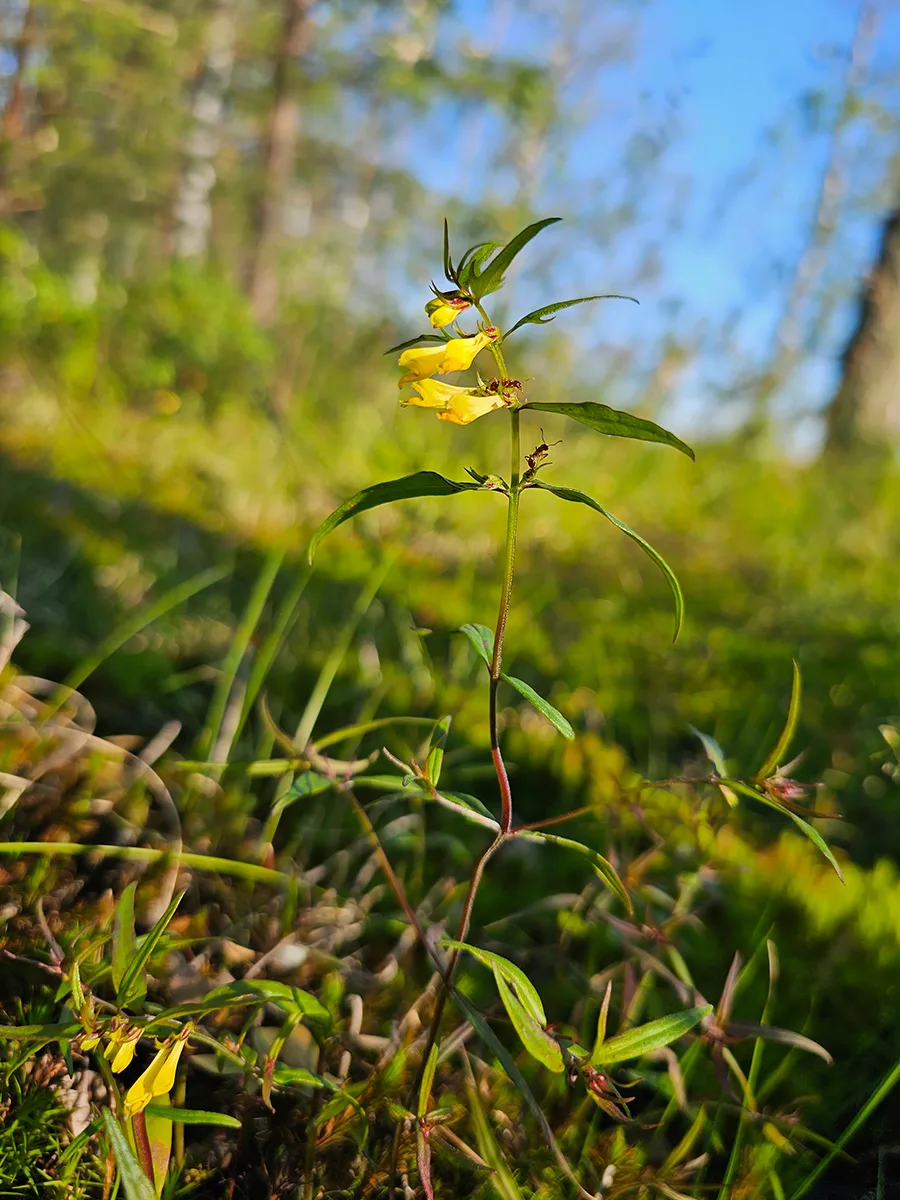
The image abowe shows the Common cow-wheat, which has Vaglaskógur as its only documented habitat in Iceland. Below is an image of the tallest downy birch tree documented within Iceland's native forests, over 14 metres of height. Photo credit: Pétur Halldórsson.