Land and Forest Iceland
Þjórsárdalur National Forest
Location and access
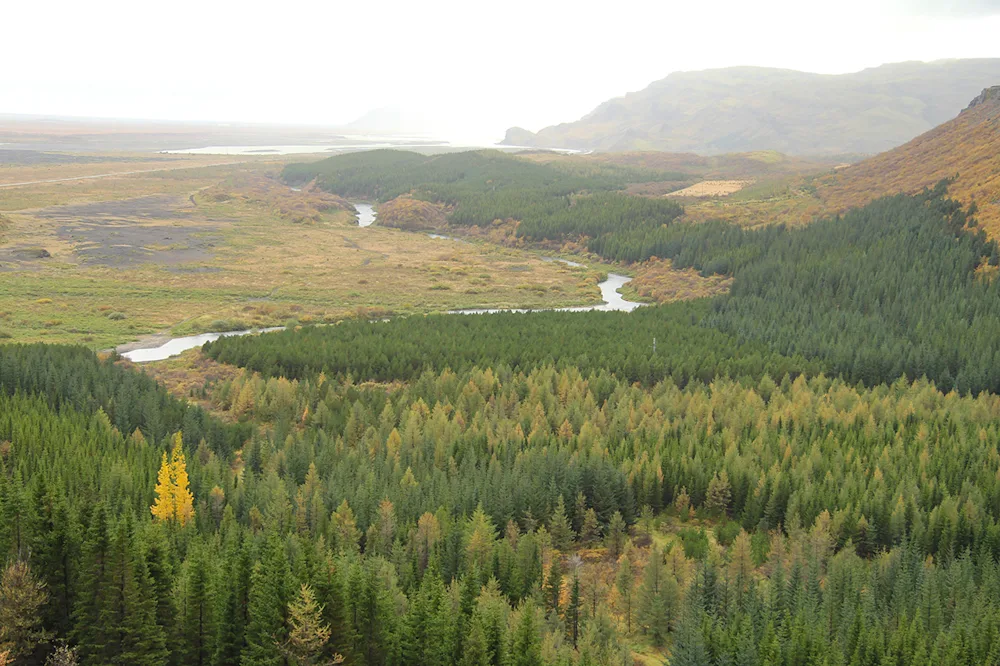
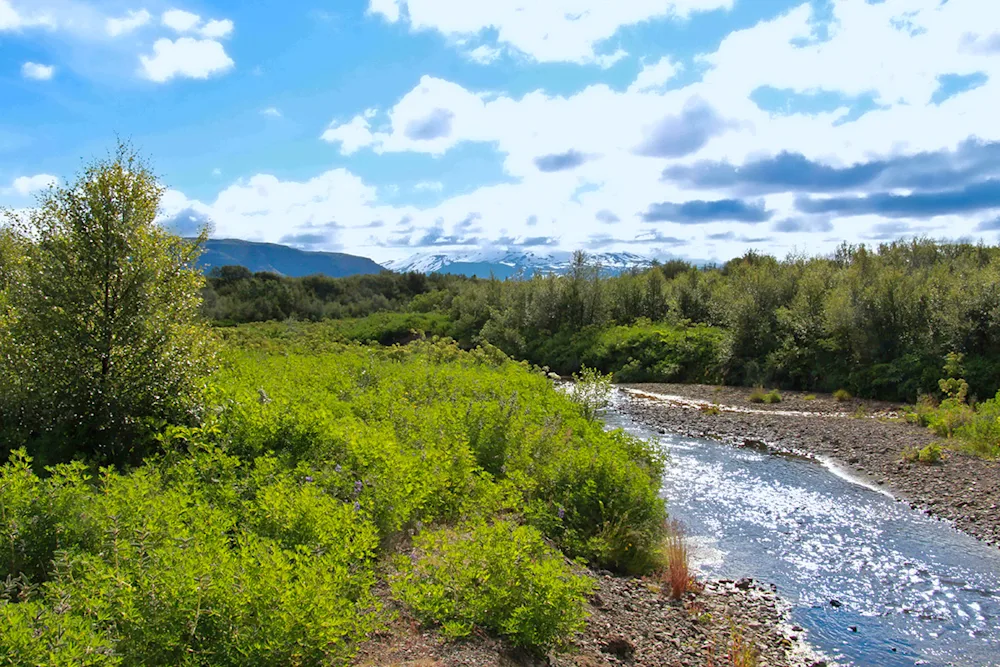
Þjórsárdalur National Forest is located on the land of the former Skriðufell farm. Its varied landscape presents striking contrasts, from lush forests to barren volcanic ash fields left by volcano Hekla, which are gradually being restored by naturally regenerating birch trees.
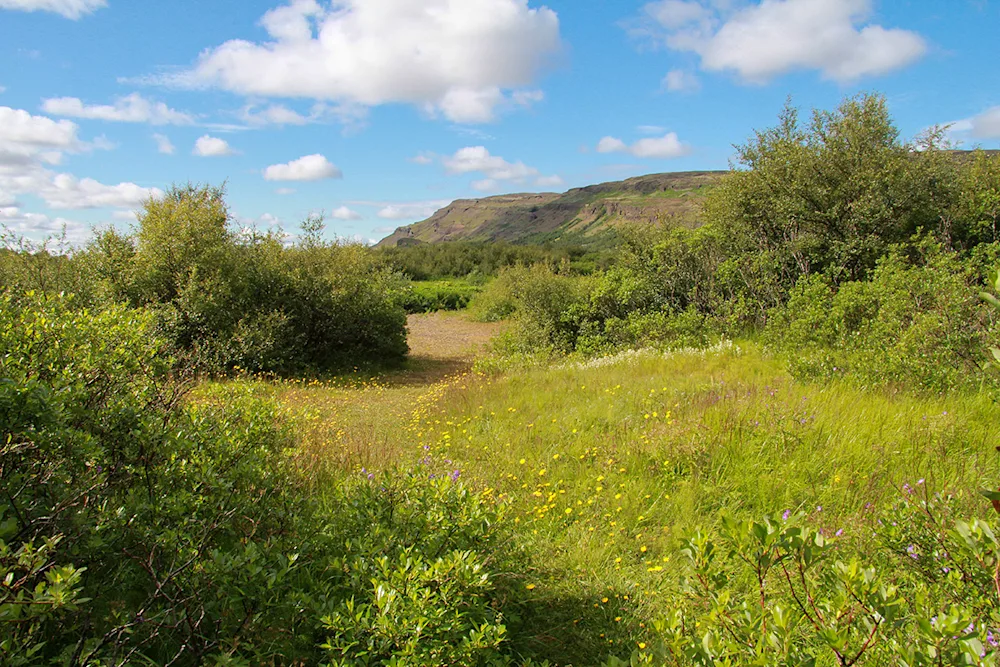
The forest is mainly composed of birch thickets, along with mixed stands of spruce, pine, and larch. It is an excellent location for outdoor activities, with many marked and unmarked trails and forest roads.
Facilities and activities
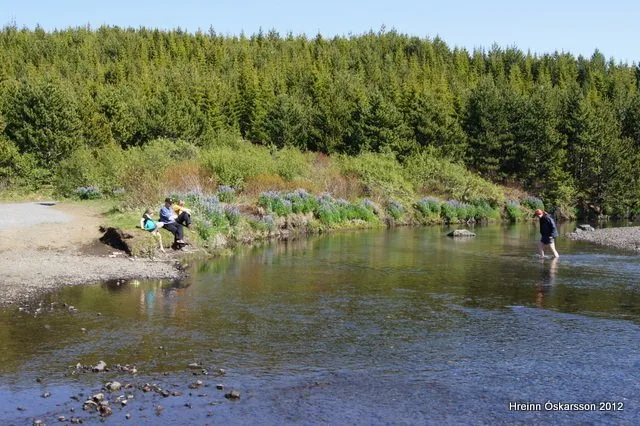
The valley Þjórsárdalur offers a variety of recreational opportunities. The expansive forest, with its stunning and diverse landscape, provides a sense of adventure. Numerous trails, both marked and unmarked, are perfect for hiking and biking, while rivers and lava fields offer unique exploration opportunities. The area includes wheelchair-accessible paths, excellent camping facilities, and a swimming pool in Árnes, a short drive away. Nearby attractions include the Hjálparfoss waterfall, the historical Stöng farm and its replica, Þjóðveldisbær, offering a glimpse into Icelandic life 900 years ago. From there, a hike along the Fossá river leads to the magnificent Háifoss waterfall (122 m). Þjórsárdalur also provides easy access to the Icelandic Highlands.
History
The history of the Þjórsárdalur National Forest in the easternmost valley of Árnessýsla county, is one of change. The Sandá and Fossá rivers flow through it, while the glacial river Þjórsá runs through the main valley. While now largely covered in lava and moss, it was once primarily birch and willow woodland at the time of Iceland's settlement. Early settlements were largely destroyed by the ash from the Hekla volcano eruption in 1104. Archaeological work has revealed the remains of twenty farms. The forest, however, largely survived the natural disaster. For centuries, farms in Árnessýsla and beyond relied on the forest's resources, leading to deforestation. The birch forests in Skriðufell and Ásólfsstaðir persisted the longest, giving rise to the name "Þjórsárdalur Forest" for that area. However, even this forest suffered from overexploitation before finally receiving protection.
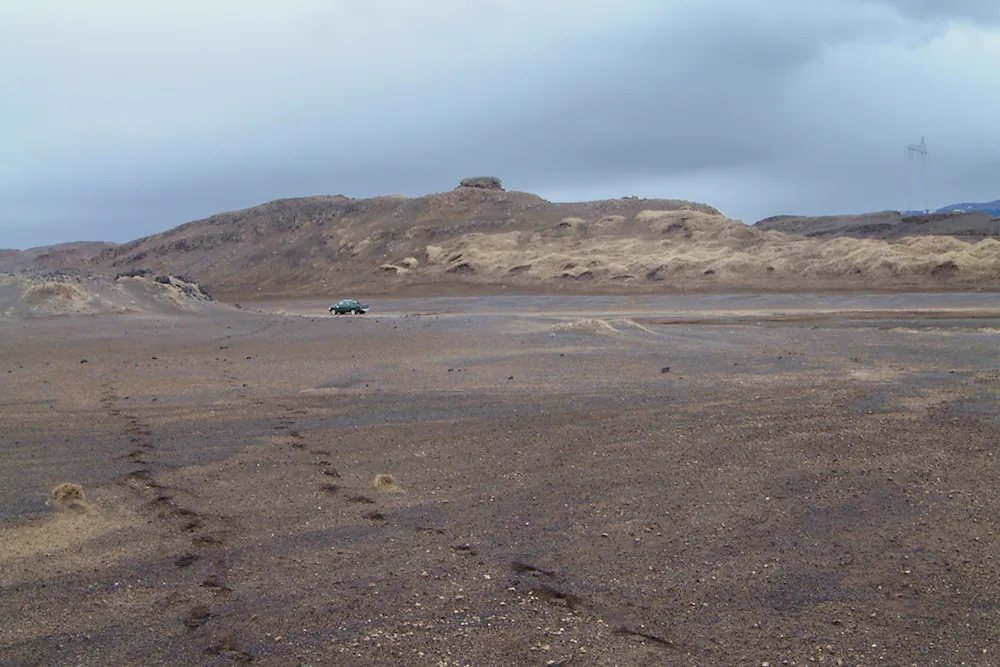
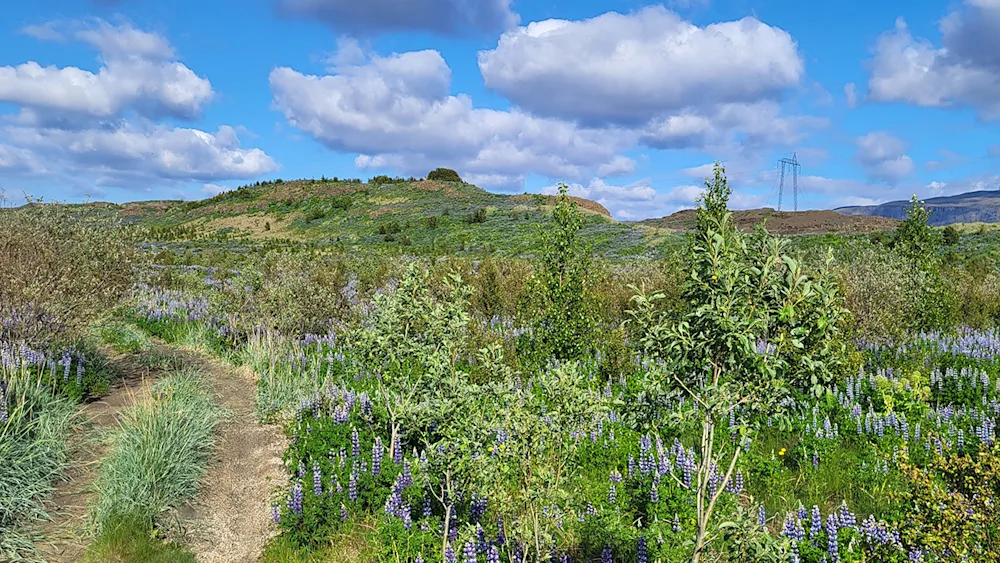
Sandstorms used to be a common occurrence in the valley, and until well into the 20th century, dust clouds from Þjórsárdalur often traveled far across South Iceland, sometimes reducing visibility in the town of Selfoss and areas beyond. The Forest Service obtained Skriðufell farm in Þjórsárdalur in 1938 and a portion of the land at Ásólfsstaðir farm in 1962. Thanks to land reclamation and reforestation efforts, the poor visibility caused by dust in Þjórsárdalur is now a thing of the past. The two images above illustrate the transformation of a pumice area west of Sölmundarholt from 2003 to 2024.
Afforestation in Þjórsárdalur Valley
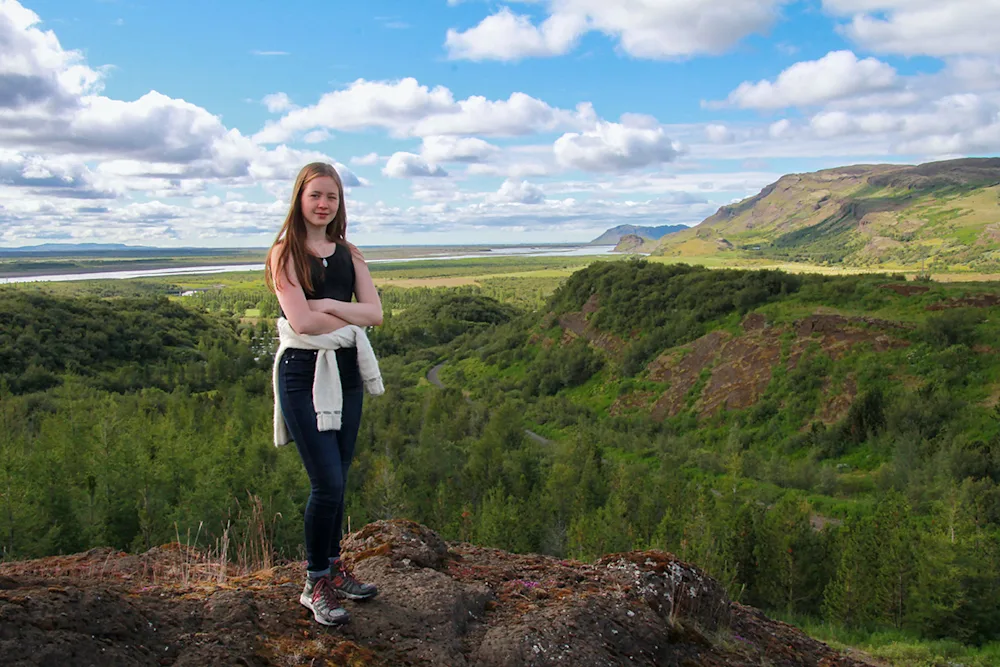
The Þjórsárdalur region has seen a remarkable increase in birch forests and scrubs, expanding from 200 hectares in 1939 to over 600 hectares today, following conservation and reclamation efforts. Planting continued in the scrubland until the 1990s, then shifted to the sandy lowland areas. Early plantations are now yielding significant income from timber sales due to the favorable growth conditions. Land and Forest Iceland operates a sawmill at Skriðufell.
The Þjórsárdalur sand afforestation effort is now part of the Hekla Forests project, a Bonn Challenge initiative in Iceland. This project aims to restore birch forests and willow scrub near Hekla Volcano. The vegetation will help protect the land from erosion by withstanding pumice fallout during eruptions. Forests are significantly more resilient to ashfall than barren land, preventing desertification. Therefore, restoring native birch woodlands can greatly mitigate the impact of ash eruptions on vegetation near volcanoes such as Hekla.
Other points of interest
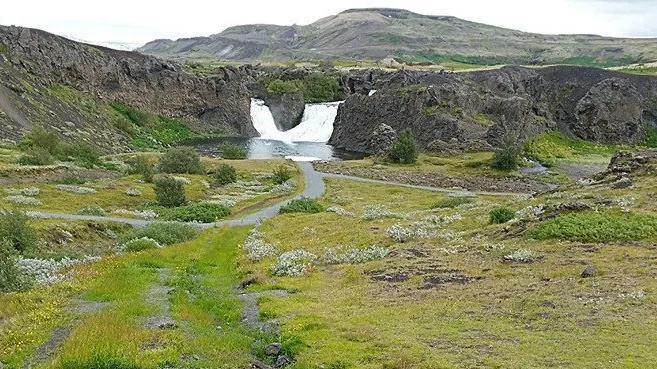
Háifoss, Iceland's third tallest waterfall at 122 meters, gracefully cascades into the valley below. Nearby, the equally stunning Granni waterfall plunges from the same cliff. Further downstream on the Fossá river is Hjálparfoss, a captivating two-tiered waterfall nestled in a single gorge, facing the majestic Búrfell mountain. Land and Forest Iceland is diligently enhancing the Hjálparfoss area, constructing footpaths and other amenities to accommodate the growing number of visitors. The ancient Stöng farm, excavated in 1939, has a restored shelter protecting its ruins, offering a glimpse into the fireplaces and other features of this prehistoric farmhouse, approximately 900 years old. A replica of this ancient farm, the so-called Þjóðveldisbær, was built in 1974 to commemorate the 1100th anniversary of Iceland's settlement. It is located near the Búrfellsvirkjun power plant, providing a reconstruction based on the Stöng artifacts.
General tourist facilities in Þjórsárdalur have seen significant further upgrades, including the establishment of the Mountain Baths, a new service center, and accommodations. Additionally, there have been improvements to the signage for hiking trails, destinations, and riding routes.