
Land and Forest Iceland
Reykjarhóll National Forest
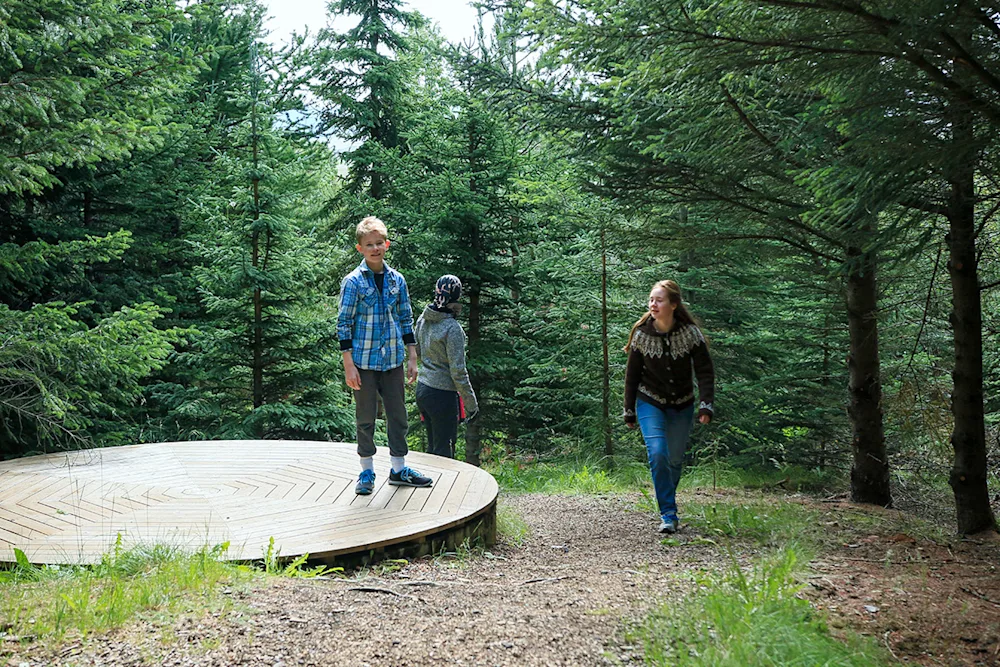
Location and access
The most efficient route to Reykjarhólsskógur is via Birkimelur Street in Varmahlíð, proceeding north at the first available turn. The forest entrance is identified by the presence of a soccer field and campground.
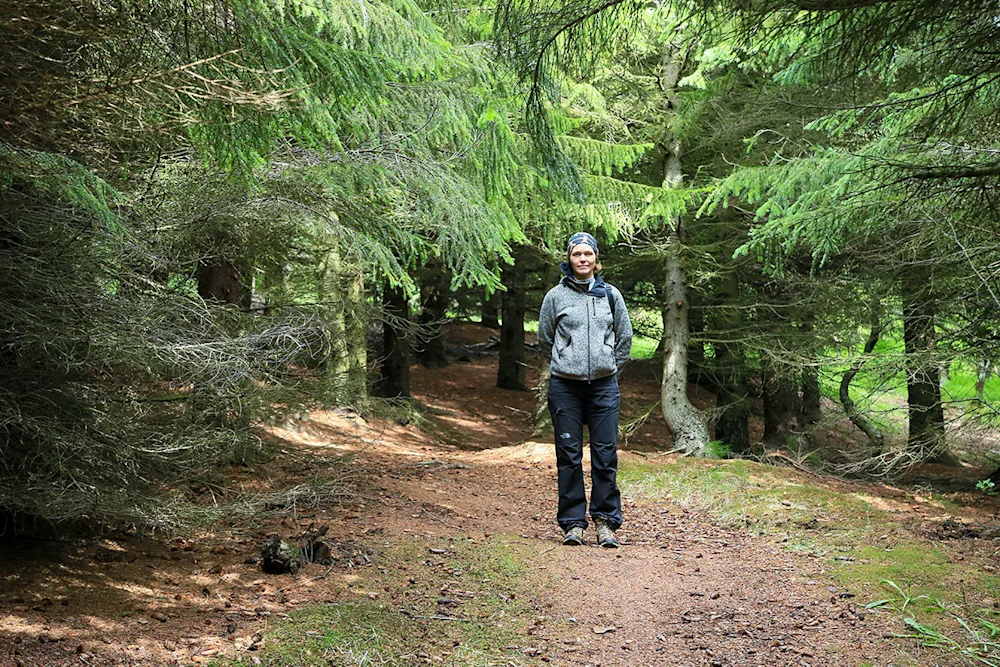
Facilities and recreation
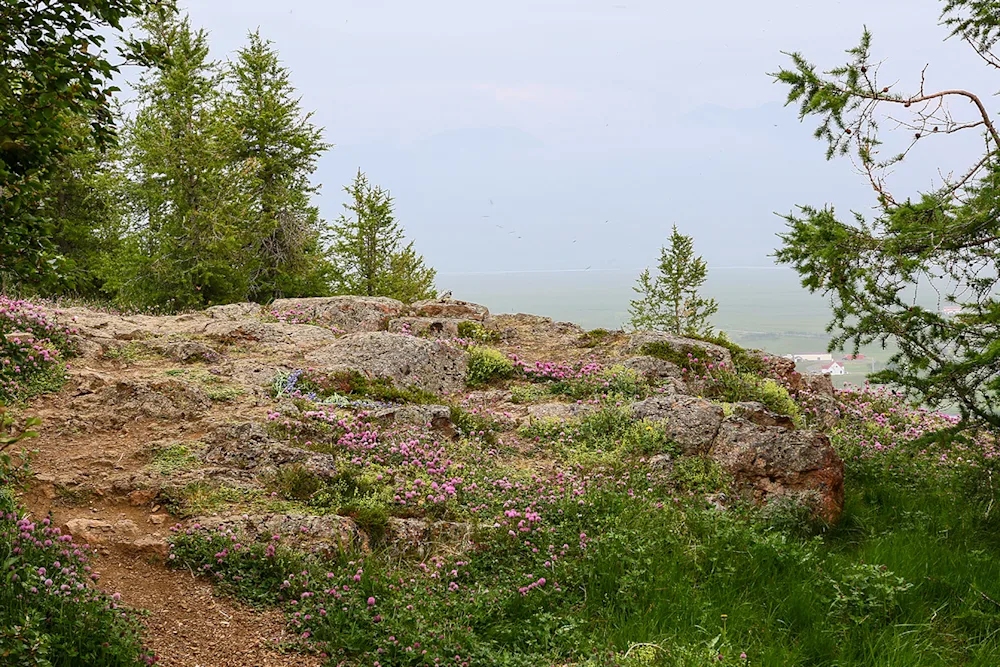
The forest features well-marked hiking trails and a hilltop viewing platform offering panoramic vistas. Rest areas with benches and tables are conveniently located throughout the forest. The adjacent privately operated campsite provides excellent amenities and a playground, creating an ideal combined destination for tourist rest and recreation.
History
In 1950, the former Icelandic Forest Service assumed stewardship of the Reykjarhóll site per an agreement with the Varmahlid District School. Prior to this, in 1943, Skagafjörður County Council had secured 17.5 hectares of forestry land within the site. A plant nursery was subsequently established at the base of the hill, becoming the Laugarbrekka nursery, which served as the primary center for forest plant production and distribution in northwest Iceland for approximately fifty years, until its closure in 2000.
Forestry
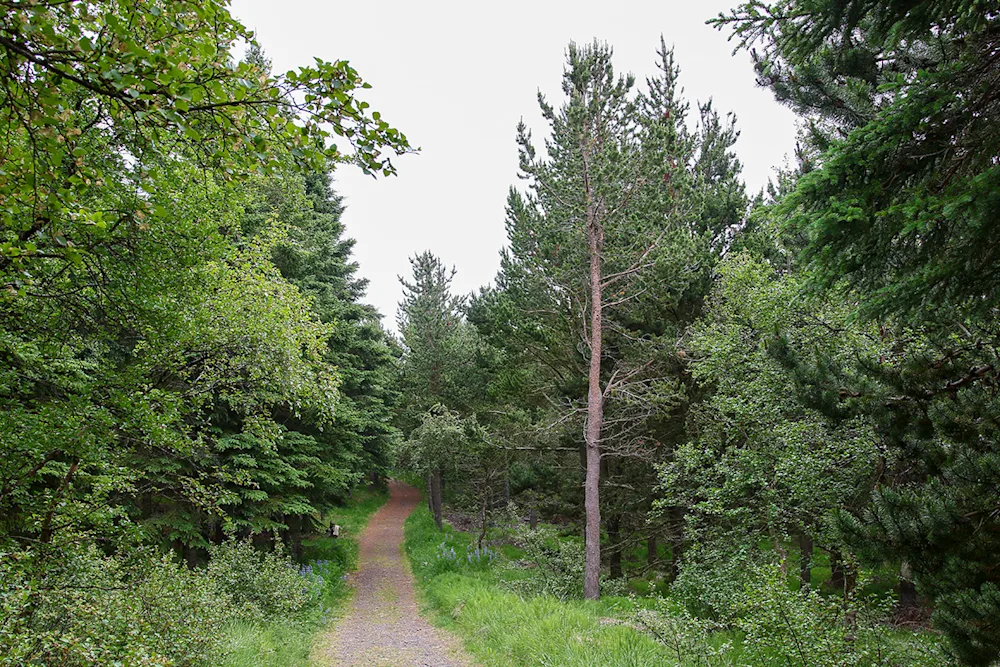
In 1947, afforestation commenced with the planting of 3,000 birch saplings from the Bæjarstaður provenance. Subsequent planting efforts over the next two decades resulted in the establishment of the current forest, largely completing the afforestation of the enclosed area. The Reykjarhóll afforestation project encountered numerous challenges beyond the initial lack of local forestry expertise. The most significant obstacle was the rapid proliferation of tufted hair grass (Deschampsia cespitosa), a common occurrence in Skagafjörður following grazing cessation. However, the high planting density enabled the saplings to successfully overcome the dense grass cover, establishing a continuous canopy. This resulted in unexpectedly robust growth for many species, demonstrating the efficacy of dense planting in circumstances like those at Reykjarhóll.
The founder of forestry in Skagafjörður
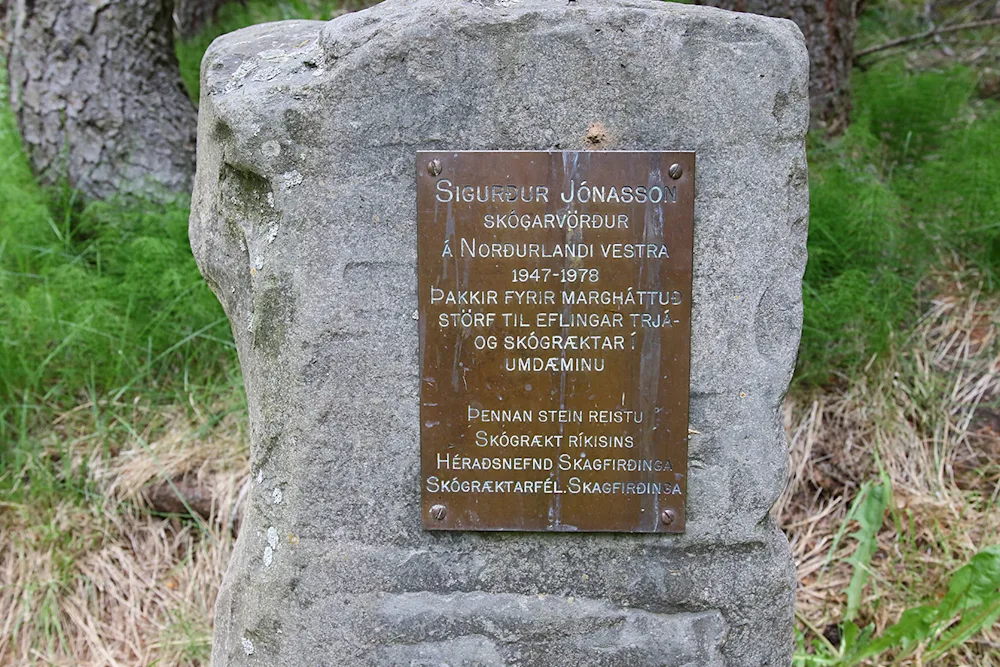
Commencing in 1944 under the Skagafjörður County Forestry Committee, Varmahlíð's forest seedling production program appointed Mr. Sigurður Jónasson as its caretaker. Initial plantings arrived in 1947; however, in 1950, upon the Forest Service's acquisition of Reykjarhóll and the nursery, Sigurður assumed the Northwest District Forest Manager position, a role he maintained until his passing in 1978. He is rightfully recognised as the founder of Skagafjörður forestry. Despite challenging conditions, Sigurður successfully developed Varmahlíð and Laugabrekka's forest seedling production techniques, yielding progressively positive outcomes. He supplied tree seedlings and planting guidance to numerous landowners in Skagafjörður and Húnavatnssýsla. His innovative solutions to mitigate heavy grass growth resulted in the thriving tree stands now visible on many area farms, as well as the forests at Reykjarhóll and Hólar in Hjaltadalur.
Other points of interest
The toponyms Reykjarhóll, Laugarbrekka, and Varmahlíð clearly reflect the area's geothermal activity. Harnessing this valuable natural resource for heating, bathing, and other applications has a long and established local history.