Land and Forest Iceland
Múlakot National Forest
The forest in general
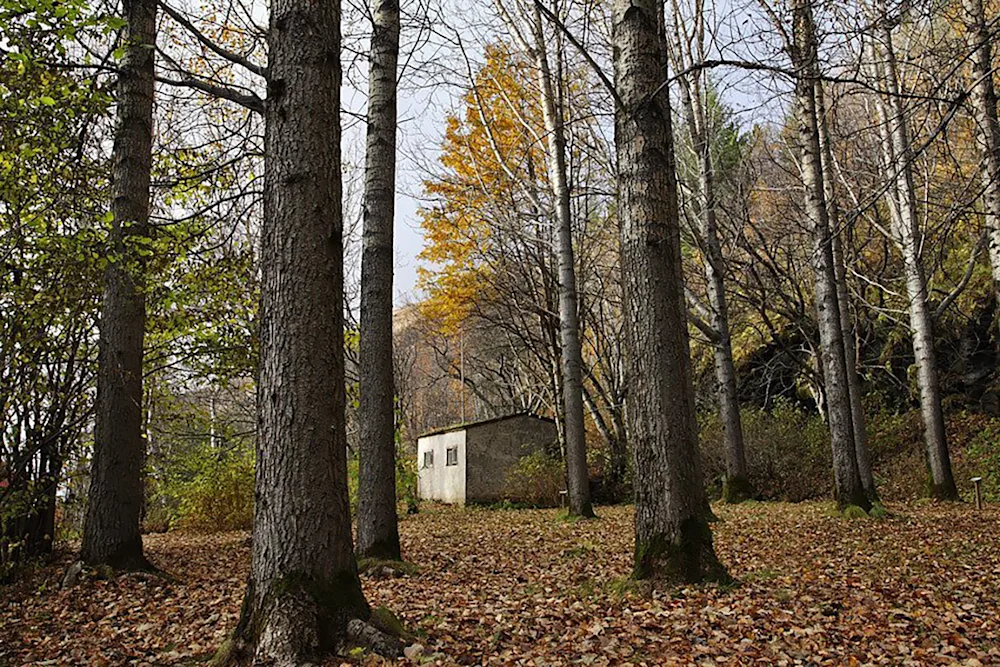
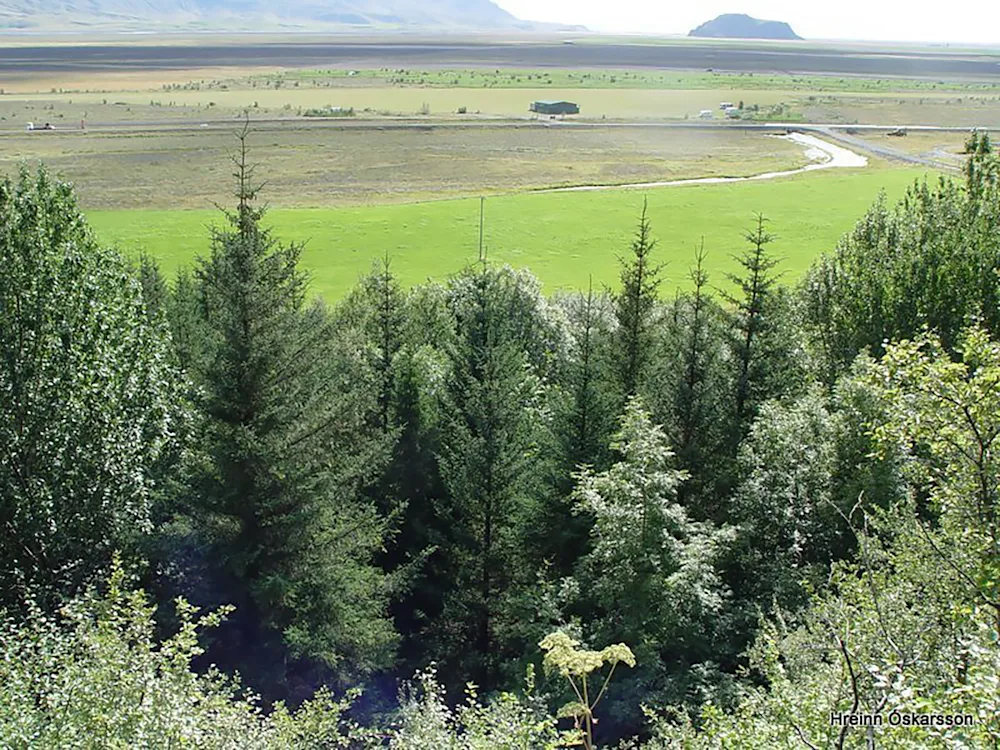
Regarding the Múlakot site, the Icelandic Forest Service initiated its first nursery in South Iceland. This location now features one of the most established and varied tree collections in the region. The forest is characterised by mature trees of diverse species, some of which are uncommon within Iceland. Beyond the nursery plot, which benefits from the shelter of the adjacent cliff, the national forest extends to approximately 13 hectares on the hillside.
Location and access
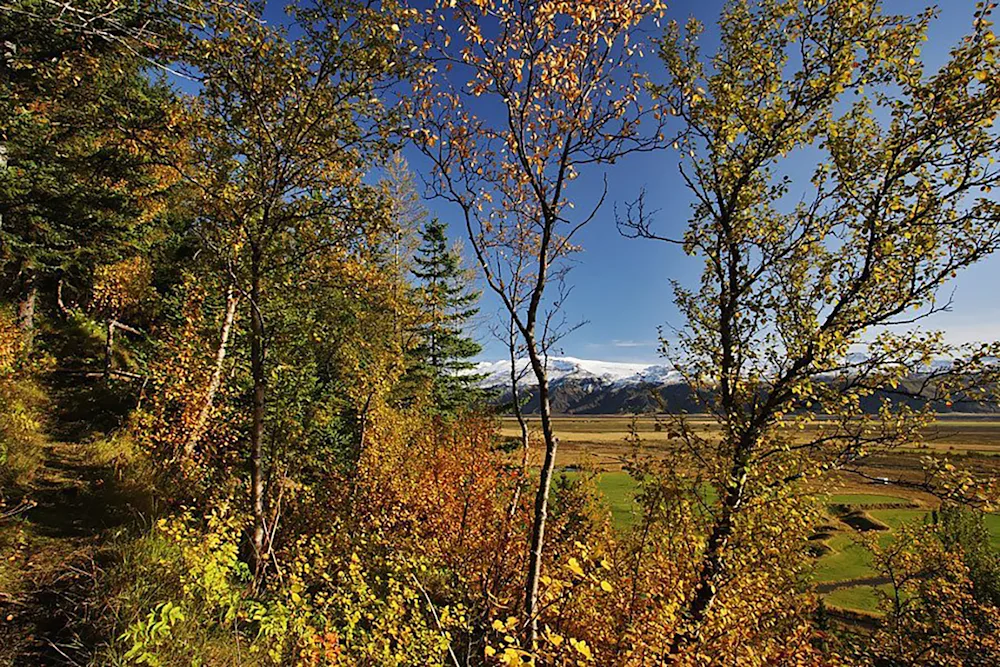
Múlakot is situated in the Fljótshlíð region, in proximity to the village of Hvolsvöllur. Access is via road 261 towards Fljótshlíð. The Múlakot plot is positioned beneath a cliff, a short distance north of the road and east of the former Múlakot farmstead.

Facilities and recreation
The entire plot below the cliff is easily navigable on foot. Access to the upper area is provided by stairs, where a designated footpath through the forest is available.
History
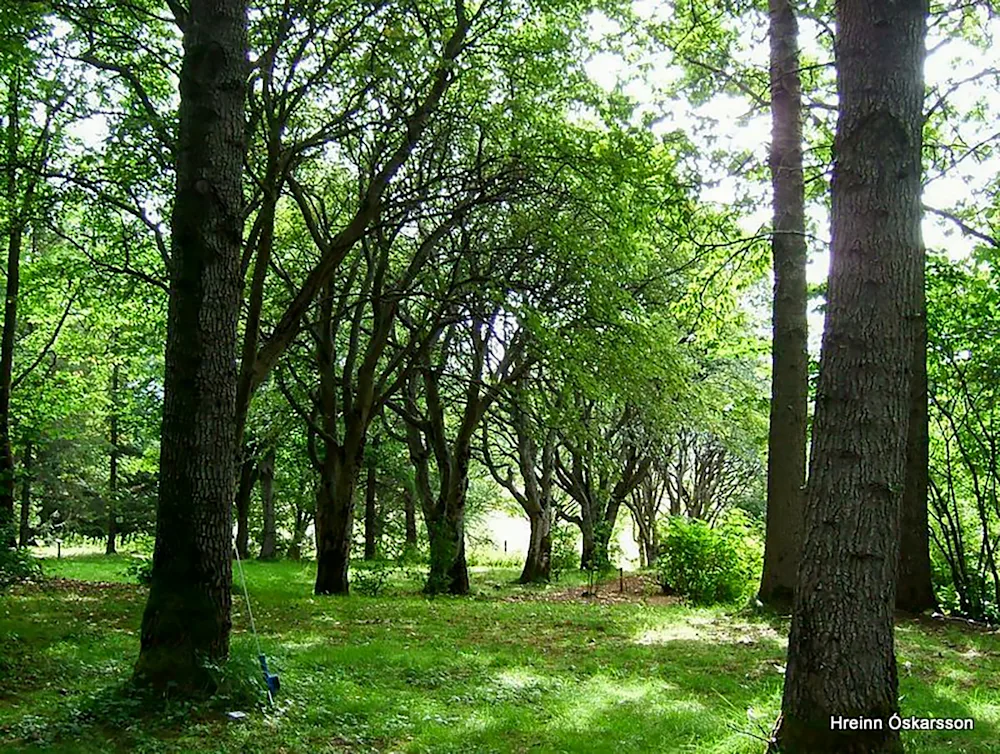
Following the establishment of nurseries at Hallormsstaður in East Iceland and Vaglir in the North, the Múlakot site served as the Forest Service's third nursery location. Árni Einarsson, a Múlakot farmer, provided land to the Forest Service for nursery operations without charge. However, the nursery's operations were limited to just over a decade due to the increasing demand for plants exceeding the capacity of the Múlakot site. Consequently, the Forest Service acquired land at nearby Tumastaðir in 1944 to establish a nursery, while the Múlakot facility continued to distribute tree seedlings until the 1950s. In 1990, the Forest Service got ownership of the Múlakot plot, including the barnyard and the slope above the cliff, encompassing approximately 13 hectares of land.
Arboriculture
Between 1937 and 1939, a significant influx of seedlings was imported from Norwegian nurseries, with a substantial portion being allocated to Múlakot. Those shipments included the initial introduction of Sitka spruce to Iceland, along with subalpine fir (Abies lasiocarpa), Scots elm (Ulmus glabra), European ash (Fraxinus excelsior), silver birch (Betula pendula), Swedish whitebeam (Scandosorbus intermedia), grey alder (Alnus incana), European aspen (Populus tremula), goat willow (Salix caprea), and northern Myrsine willow (Salix myrsinifolia ssp. borealis). The ensuing period of World War II, from 1939 to 1945, saw a shift in international relations, with ties severed with Norway and established with the United States. Consequently, wild apples from Alaska were introduced in 1940, followed by the first cuttings of Black cottonwood (Populus trichocarpa) in 1944. The inaugural sowing of lupine for land reclamation was conducted at Þveráreyrar braidplains, in proximity to the Múlakot nursery, in 1945. Subsequently, the Múlakot nursery plot and the adjacent barnyard developed into a diverse grove, accommodating various species that were deemed poorly suitable for survival in other locations. The continuous addition of species has been a consistent practice over time.
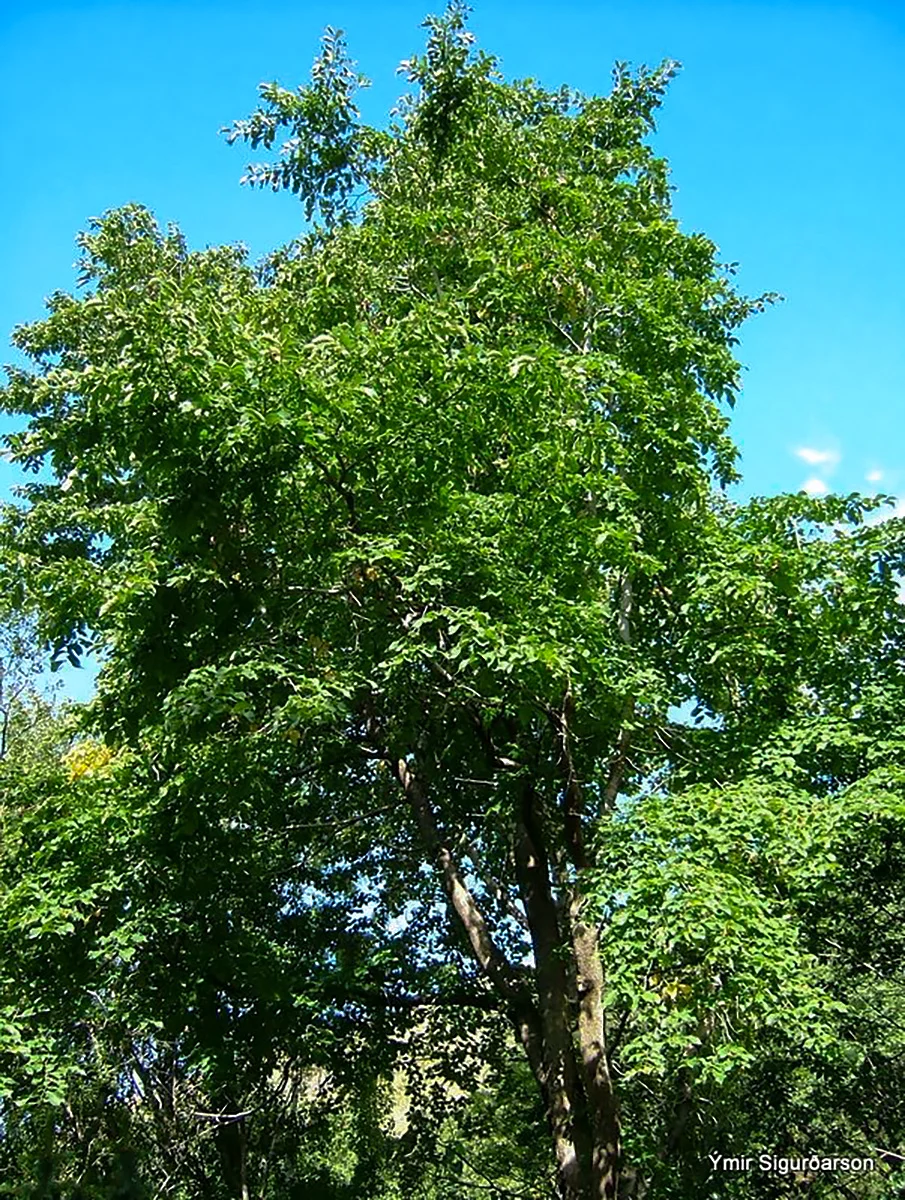
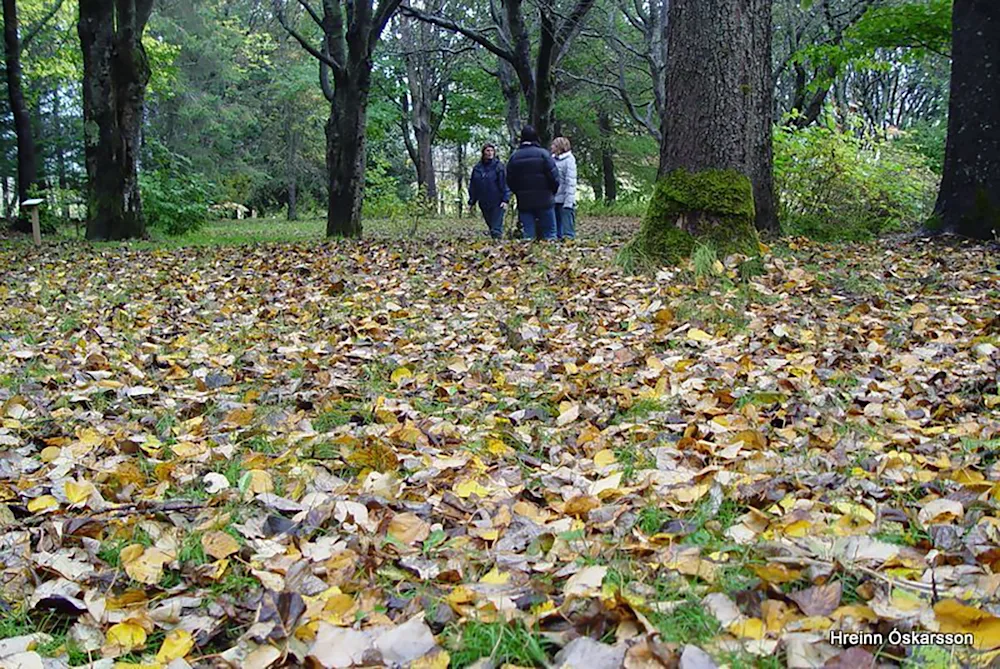
The Múlakot National Forest, appropriately designated as an arboretum, is distinguished by its collection of the nation's tallest specimens across various tree species, including the tallest elm, silver birch, black cottonwood, and European aspen. The forest also features mature, sizable trees of uncommon species, such as ash, elm, silver birch, European aspen, sycamore (Acer pseudoplatanus), subalpine fir, and golden chain (Laburnum anagyroides).
Other points of interest
Initial attempts at apple cultivation within Múlakot, conducted around 1950, proved unsuccessful, and no remnants of the apple trees persist. In April 1963, a significant spring frost occurred following an extended warm period, leading to severe frost damage to the black cottonwood trees in Múlakot, necessitating their removal. The tallest aspens currently present in Múlakot, exceeding 25 meters in height, are root shoots originating from those original trees planted in 1944; however, the age of the existing stems is accurately dated from 1963.