
Land and Forest Iceland
Hallormsstaður National Forest

Overview
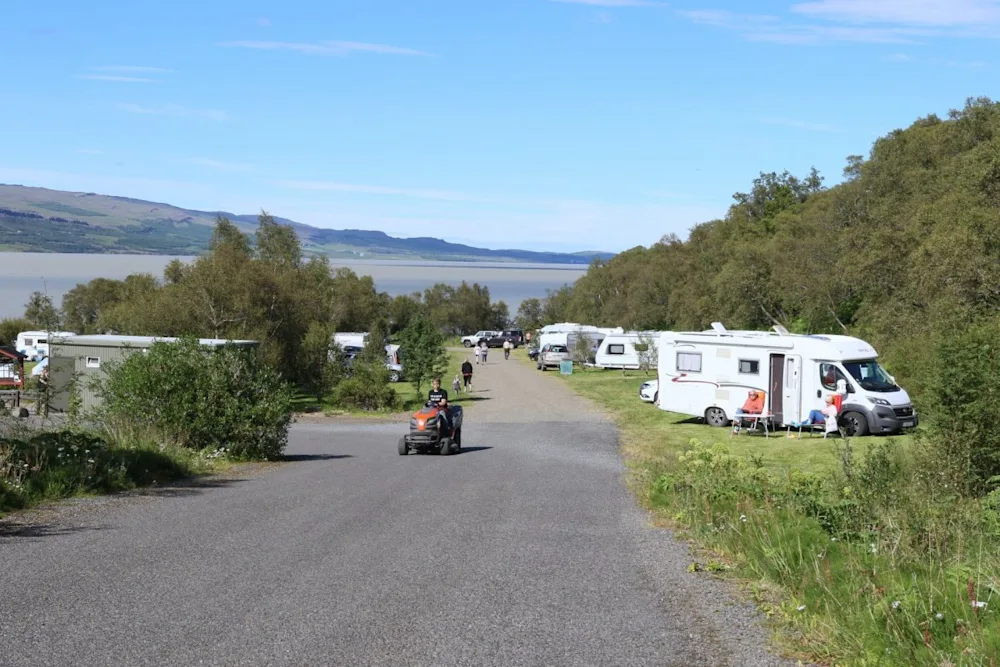
Hallormsstaður National Forest is one of the larger forests in Iceland, covering 740 hectares (ha), and includes the only village in Iceland that is located in a forest. The forest is a popular recreation area in a varied landscape. There are over 40 km of marked trails and footpaths. There is also an arboretum, two popular campsites, picnic areas and a hotel. A total of 85 tree species can be found in the Hallormsstaður National Forest from over 600 places around the world.
Forest brochure with hiking map
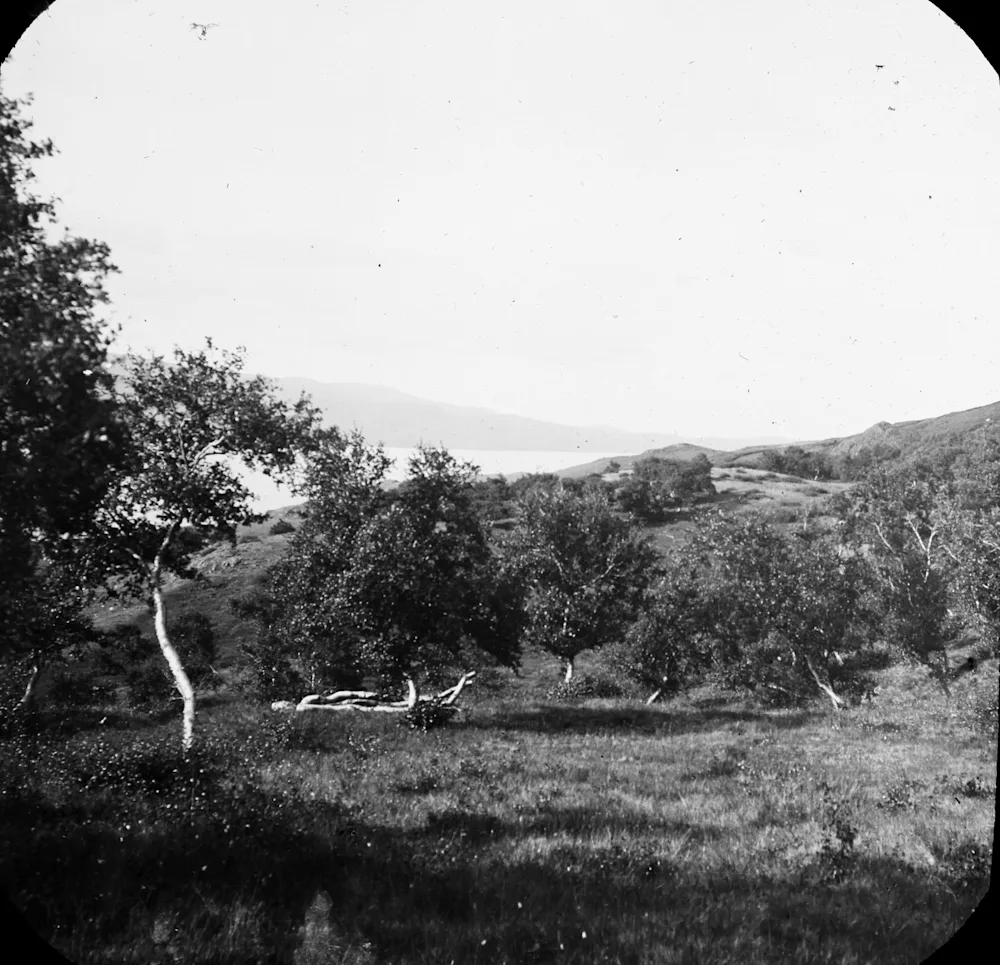
History
The birchwood remnants at Hallormsstaður farm were protected in 1905 and thereby became Iceland‘s first national forest. Birch forest and woodland now covers about 350 ha within the original fenced area and a variety of tree species have been planted on another 200 ha. Large areas have been annexed to the forest more recently, both to the north and south, and either planted or allowed to regenerate naturally with birch. A total of 85 tree species can be found in the forest from over 600 places around the world.

Natural delights
The forest provides food, nest sites and protection from predators for several bird species. Year round residents include redpoll, wren, goldcrest, ptarmigan and raven. In summer the forest fills with redwings, snipes and meadow pipits along with woodcocks and wagtails. Besides birding, the forest offers opportunities for botanising and picking berries and mushrooms. Edible mushrooms include larch bolete, birch bolete and slippery jack. Stone bramble is common and raspberries and redcurrants can be found in parts of the forest. Clear streams form a characteristic part of the forest and the water in all of them is drinkable.
The legend of the Lagarfljót-worm
The legend of the worm is first mentioned in the Icelandic Annals of 1345. Sightings were considered to portend a great event such as a natural disaster. The serpentine creature is said to live in Lagarfljót, a freshwater, below-sea-level, glacial-fed lake which has very poor visibility as a result of siltation. It is described as longer than a bus, or 39 feet (12 m), and has also been reported outside the water, lying coiled up or slithering into the trees.
It is a ‘many humps’ type of lake monster, rather than the simply serpentine type of, for example, the Loch Ness Monster.
According to the folk tradition recorded by Jón Árnason, the great serpent in Lagarfljót grew out of a small "lingworm" or heath-dragon. A girl was given a gold ring by her mother and asked how she might best derive profit from the gold, she was told to place it under a lingworm. She did so, and put it in the top of her linen chest for a few days, but then found that the little dragon had grown so large, it had broken open the chest. Frightened, she threw both it and the gold into the lake, where the serpent continued to grow and terrorized the countryside, spitting poison and killing people and animals.