Land and Forest Iceland
Grund National Forest
The forest at a glance
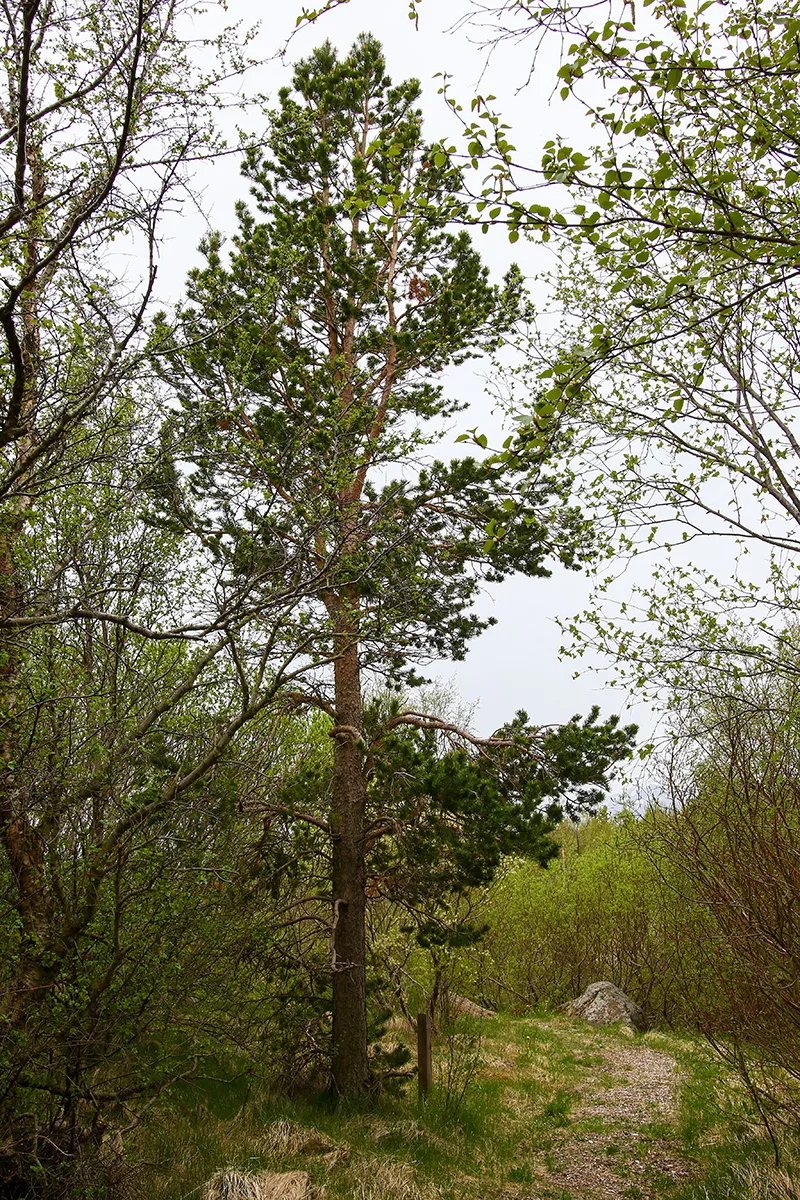
At first glance, the Grund forest grove might not appear particularly impressive to those passing by. However, a closer inspection reveals its unique qualities, showcasing a remarkable site of historical and theoretical importance to Icelandic forestry, comparable to the Þingvellir Pine Grove. These two locations signify the origins of forestry in Iceland.
Facilities and recreation
The site boasts lovely forest trails, and many individual trees are labeled with their species and planting year. This area functions as a small arboretum, with some trees over a century old. A pleasant resting area with tables and benches is located in the grove's center. While art exhibitions and other events have been held in Grund National Forest, the grove's most remarkable features are its trees and historical significance.
History
In 1899, during the commencement of afforestation at Þingvellir's Pine Grove, Danish naval officer Carl H. Ryder, accompanied by Icelandic gardener Einar Helgason, conducted a northern Iceland expedition to identify a suitable location for comparable silvicultural initiatives. Magnús Sigurðsson, a prominent Grund farmer, generously provided land for this endeavor, and planting commenced on a 1.6-hectare plot in 1900. The enclosed area was subsequently expanded in 1952, resulting in a current area exceeding three hectares. Since its inception in 1908, the Icelandic Forest Service, now Land and Forest Iceland, has overseen the Grund forest grove.
Forestry
The Grund forest grove's afforestation history closely mirrors that of Þingvellir's Pine Grove. Initially, over 27,000 seedlings representing sixteen species, identical to those in the Pine Grove, were planted and replanted. Contemporary Danish forester Christian Flensborg documented substantial plant mortality. By 1930, Icelandic forester Hákon Bjarnason described a mature stand of mountain pine, approximately human height, with taller larch in the northwest. Flensborg's 1936 revisit, accompanied by Hákon, revealed mountain pine reaching 3-4 meters and larch 4-5 meters. Significant European aspen root suckers were present, but other species were less prominent. Hákon noted that substantial mountain pine removal for Christmas decorations during World War II unexpectedly revealed the presence of Siberian pine. The heavy snowfall of 1974-1975 resulted in the extensive clearing of mountain pine, creating favorable conditions for the proliferation of other species. European aspen, in particular, rapidly colonised these newly opened areas.
In 1952, the enclosed area was doubled in size eastward, resulting in a newer section of the grove situated closer to the road than the original area. Tree planting resumed after a fifty-year pause. Twelve tree species were planted between 1954 and 1982 in the new area and in clearings created after the removal of mountain pine in 1975. Between 1993 and 1994, the Grund grove underwent significant thinning, with the addition of footpaths and signage to improve public access.
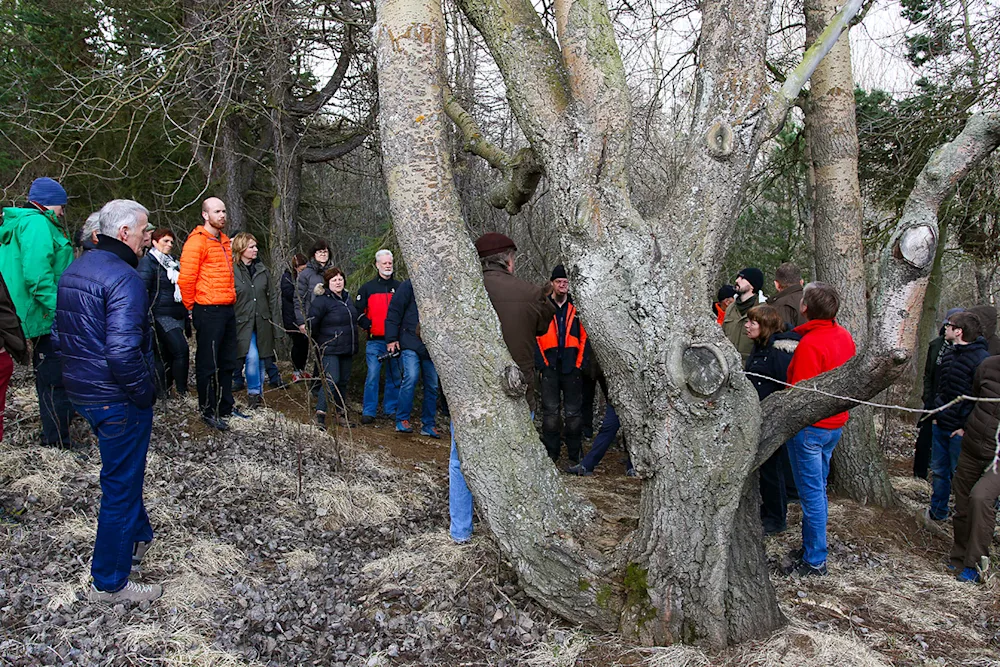
Grund National Forest's diverse and aesthetically pleasing mixed forest rivals Þingvellir's Pine Grove. The mature Siberian pines are impressive, and the native European aspens represent the largest specimens of their kind in the nation. Other notable species, including Siberian fir (Abies sibirica), subalpine fir (Abies lasiocarpa), white spruce (Picea abies), and Scots pine (Pinus sylvestris), are also present. A visit to Grund National Forest is highly recommended. Furthermore, a comparative study of both groves at Grund and Þingvellir within a single summer offers valuable insight into Iceland's two oldest forestry areas.
Other points of interest
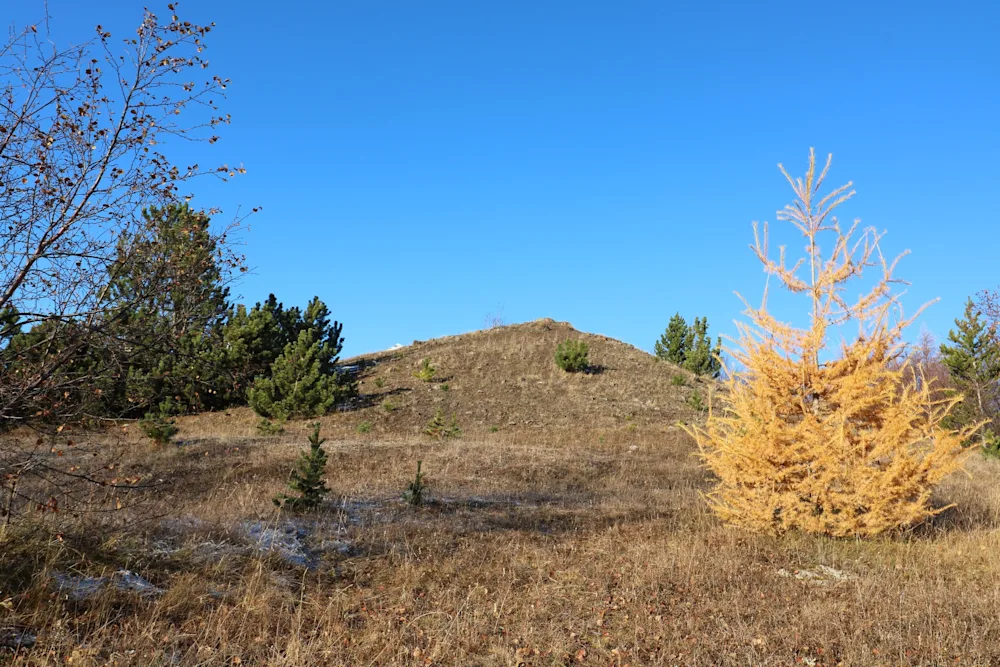
Upon entering Grund grove, a prominent feature to your right is Helguhóll (Helga's mound), easily ascended for a breathtaking vista. Local legend attributes the mound to Helga of Grund, a wealthy woman reputedly interred there with her considerable fortune.
A video on Grund National Forest