Land and Forest Iceland
Jórvík National Forest
The forest in general
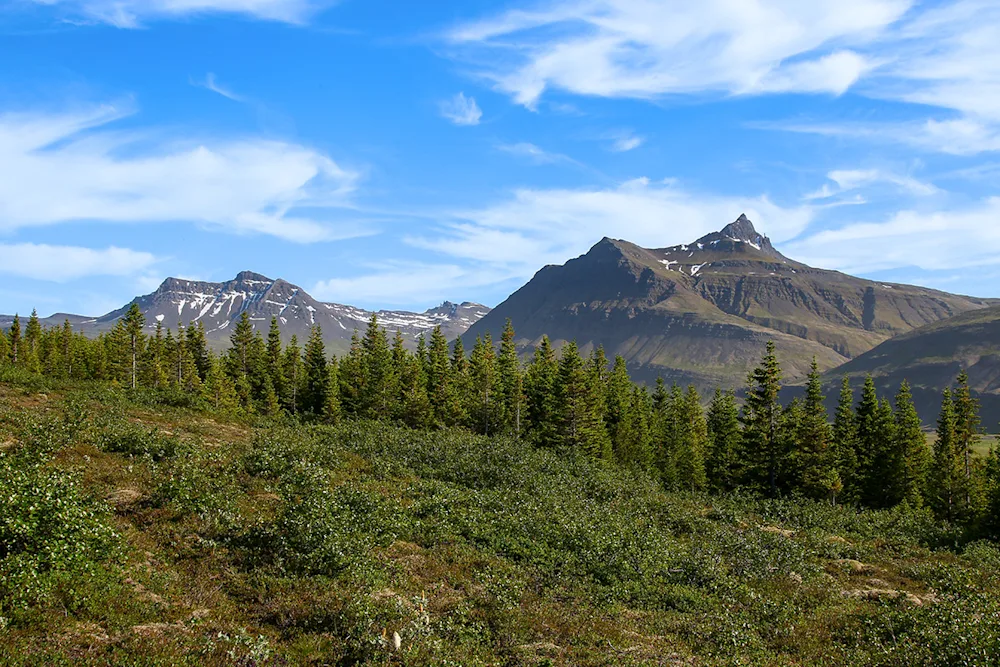
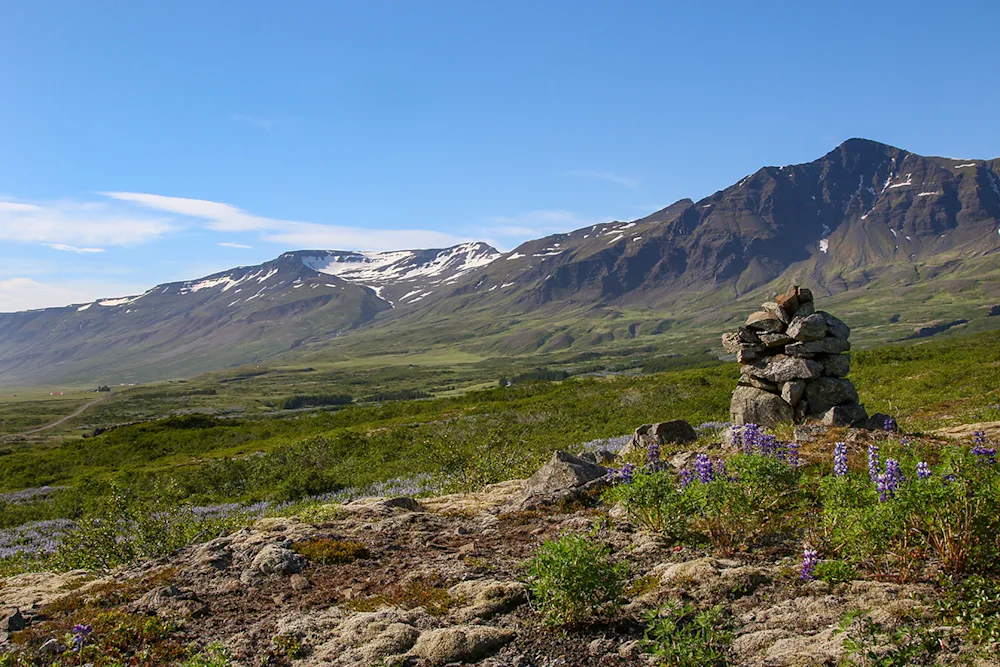
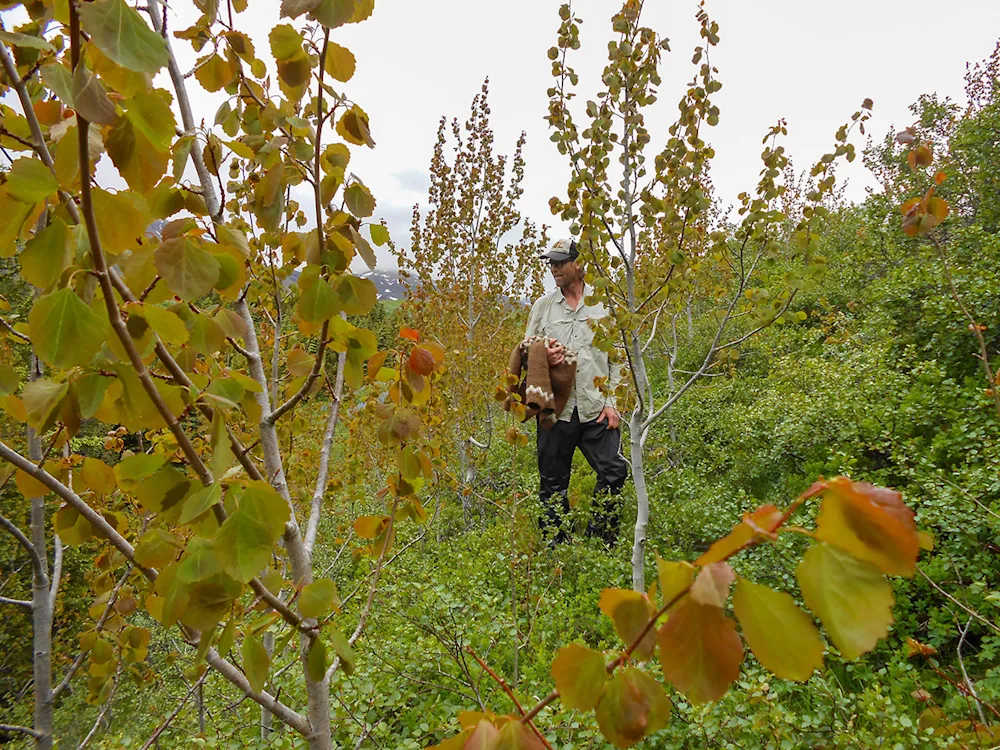
Jórvík in Breiðdalur is a deserted farmstead with a substantial area of scrubland. Approximately 600 hectares are owned and managed by Land and Forest Iceland, and the forest itself has been protected since 1960. This location is one of the few in the country where the European aspen (Populus tremula) thrives, with the tallest trees reaching four to five meters in height. The land is primarily covered in natural birch scrub, supplemented by areas of planted forest. The area is open to the public, and a marked hiking trail connects Jórvík to the neighboring valley of Norðurdalur.
Location and access
Breiðdalur is geographically divided into the side valleys Suðurdalur and Norðurdalur as one proceeds inland. Jórvík is situated within Suðurdalur, specifically north of the river, beneath the mountain Tó. The area is accessible via Highway 95, a 24-kilometer drive from village Breiðdalsvík.
Facilities and recreation
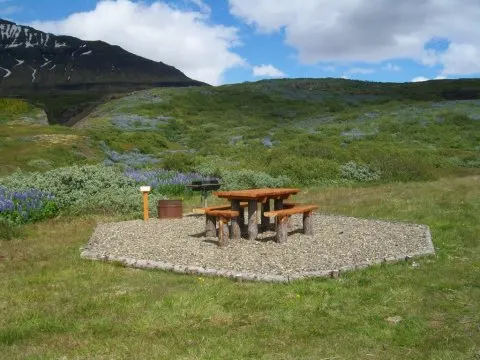
A well-marked hiking trail connects Jórvík to the neighboring Norðurdalur valley. The surrounding terrain is generally open and easy to traverse. A public barbecue area was established in the summer of 2011 along the road leading to the old Jórvík farmhouse, welcoming all visitors who wish to enjoy a day in the area.
History
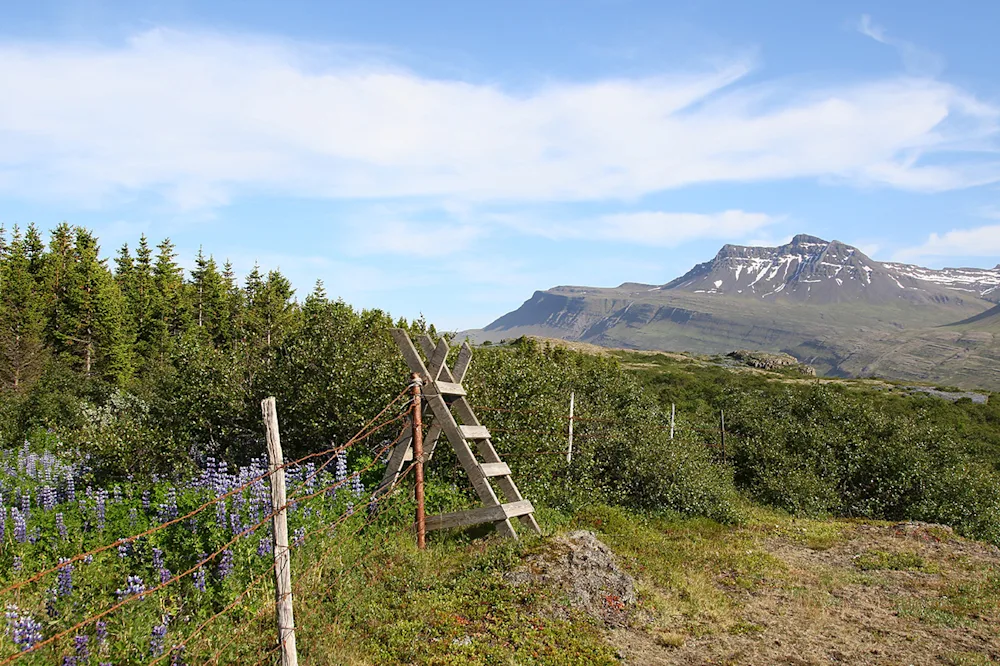
In 1958, the Icelandic Forest Service received a substantial portion of the Jórvík land. In that year's annual report, Director Hákon Bjarnason noted that the siblings who owned Jórvík in Breiðdalur—Hannes M. Þórðarson, Björgvin Þórðarson, Bjarni A. Þórðarson, and Sigríður Þórðardóttir—generously donated almost all of the estate's forest land for conservation and cultivation. The conservation work was anticipated to be finished early in 1960, allowing planting to commence that year. This land, situated above the highway, was fenced in 1960-1961. The resulting fence is 8.2 kilometers long and encloses 500 hectares. In 1963, the Icelandic Forest Service acquired a quarter of the remaining undivided land outside the forest fence.
Forestry
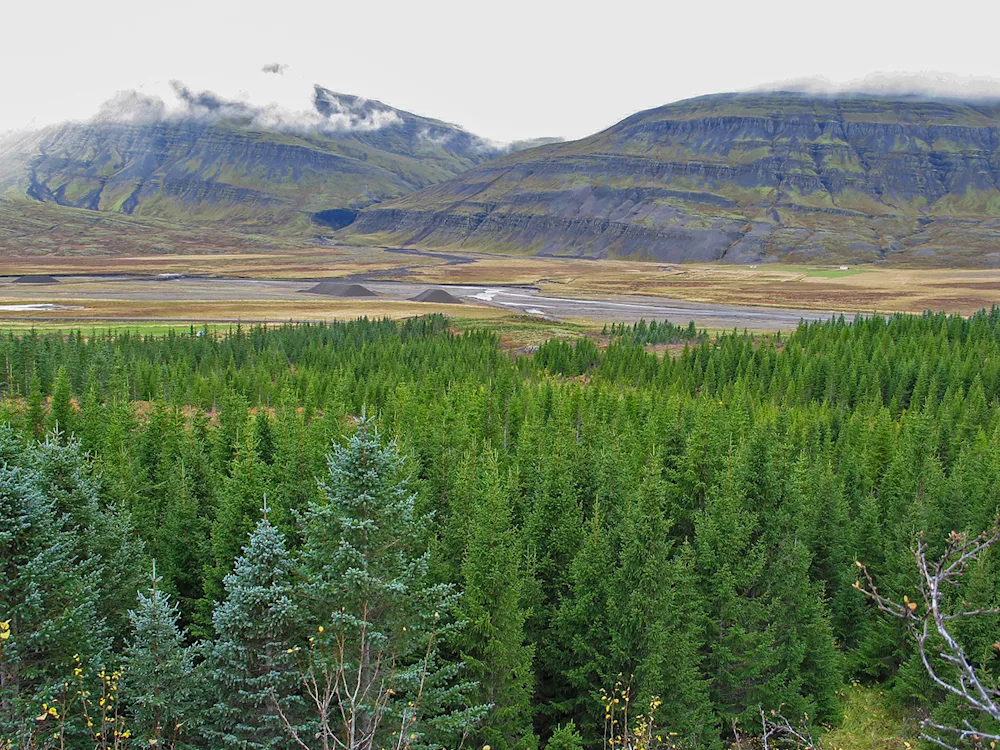
During the years Jórvík land was donated, suitable forestry land was scarce in Iceland. Therefore, Hákon Bjarnason, the director of forestry at the time, determined that portions of Jórvík would be used for planting. Planting commenced in 1962, primarily with Engelmann spruce, though Norway spruce, Sitka spruce, and white spruce were also included. Two years later, further planting occurred, this time utilising white spruce, Engelmann spruce, Scots pine, grey alder, European larch, and other species. In 1966, plantings consisted of red spruce, white spruce, and birch. The original birch growth within the forest remains largely low and crooked. However, the European aspen, along with the now thriving spruce stands, are the greatest pride of Jórvík.
Other points of interest
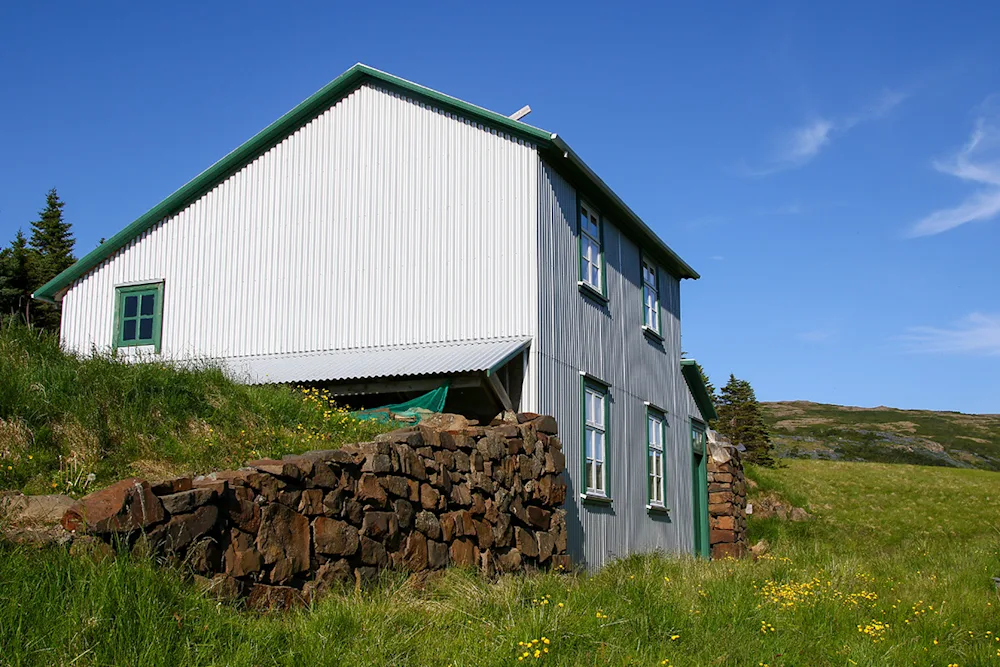
The historic farmhouse in Jórvík is a remarkable building that has recently undergone extensive renovations. It's a two-story timber house, clad in corrugated iron, with turf walls added to the north and east. A likely cow shed and barn extension were located to the south. The former Forest Service contracted master carpenter Björn Björgvinsson for the reconstruction, with additional funding from the Icelandic Housing Preservation Fund. While its future use is undetermined and it's not currently open for viewing, you are welcome to walk around the property.
The mountain range in Breiðdalur is magnificent on a clear day. Breiðdalur is a geological paradise, featuring extinct volcanoes and geothermal areas with stunning, colorful rock formations. Liparite is a characteristic feature of the mountains, which reach heights of approximately 1,100 meters.