
Land and Forest Iceland
World Wetlands Day
2nd February 2026
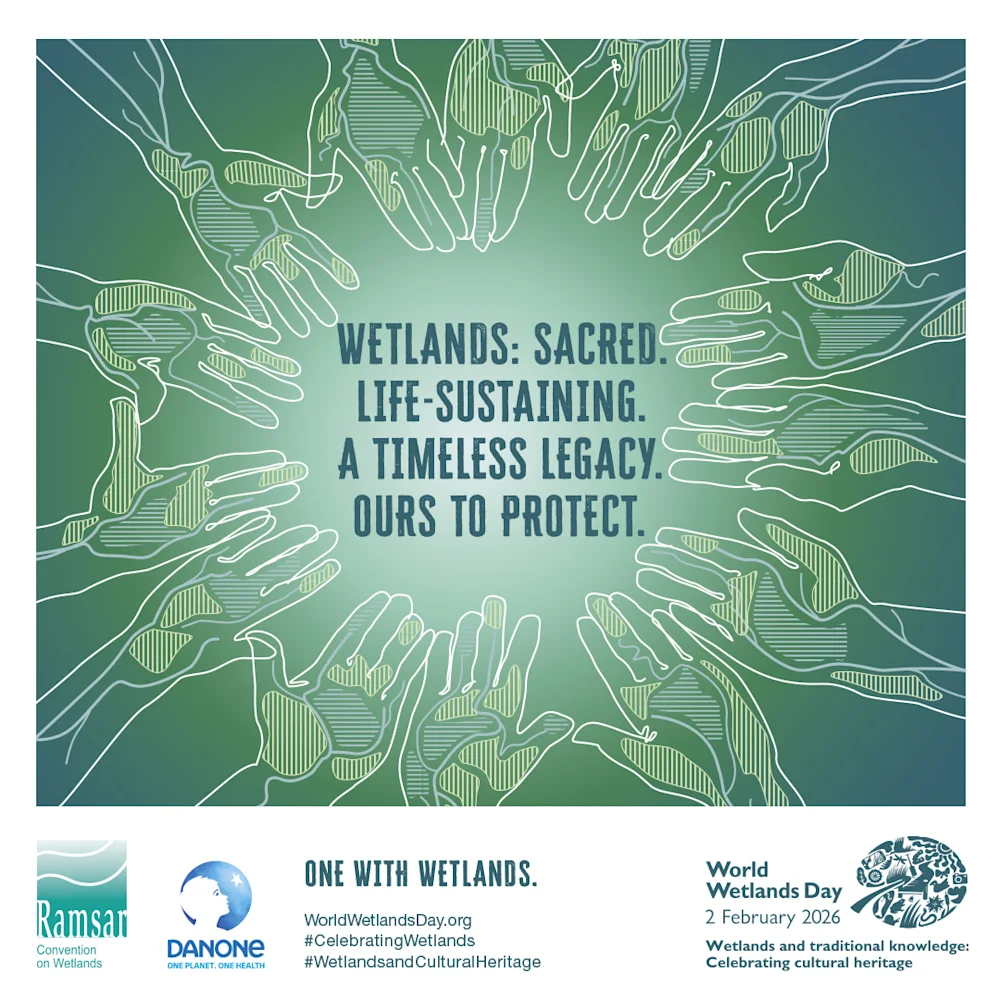
World Wetlands Day is observed annually on 2 February, following a resolution adopted by the United Nations General Assembly in 2021. The theme this year is Protecting wetlands for our common future..
World Wetlands Day on the FAO website
The official World Wetlands Day website on the Ramsar Convention site
Wetlands provide a wide range of benefits. On the website of the Environment Agency of Iceland, their importance is divided into three main categories:
Hydrological value:
During periods of heavy rainfall, wetlands absorb large volumes of water and gradually release it during drier periods. In this way, wetlands help to maintain stable flows in rivers and streams, which is vital for the organisms that inhabit them.
Nutrient and climate value:
Peatlands store significant amounts of carbon through the accumulation of partially decomposed plant material in oxygen-deprived conditions. Changes in factors such as temperature and water levels can accelerate decomposition, leading to increased carbon emissions with potential impacts on the global climate.
Ecological value:
Wetlands are important habitats for birds and plants, and many species depend on them for their survival. As such, wetlands can greatly enhance the biodiversity of a given area.
Over recent decades, Icelandic wetlands have been extensively degraded through drainage, partly supported by public funding. As a result, relatively little undisturbed wetland remains in lowland areas. For example, only around 3% of wetlands in South Iceland remain undisturbed, compared to just 18% in West Iceland.
In response to this development, Iceland has, among other measures, adopted the Ramsar Convention. This was the first international agreement focused on the conservation and wise use of specific habitats or ecosystems. It was prompted by growing concern over declining populations of ducks, geese and other wetland birds, and the ongoing loss of their habitats. The stated aim of the Convention is to promote the conservation and wise use of wetlands worldwide, particularly as habitats for birds.
For many years, attention was primarily directed towards the protection of wetland areas themselves. However, wetlands are far more than bird habitats alone, and in recent years there has been increasing interest in their other values, such as their importance for outdoor recreation. Last but not least, current efforts to protect and restore wetlands are strongly motivated by the substantial greenhouse gas emissions from drained land and the significant climate benefits that can be achieved by rewetting these areas and thereby halting emissions.