20th May 2026
20th May 2026
Ebola outbreak in Central Africa – risk to Iceland is very low
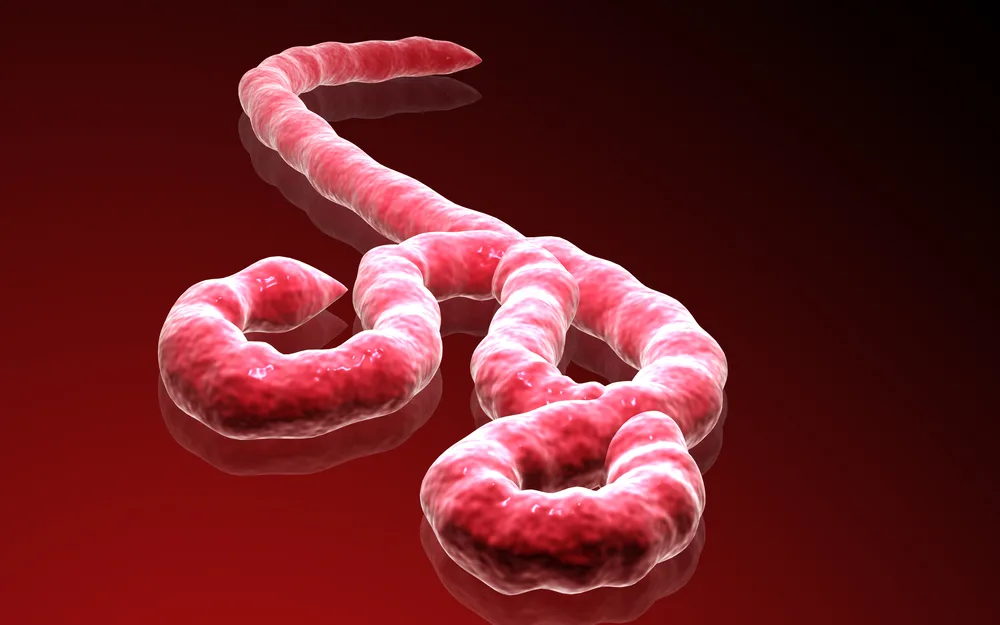
The Chief Epidemiologist is monitoring the Ebola outbreak caused by Bundibugyo virus in the Democratic Republic of the Congo (DRC) and Uganda, through the European Centre for Disease Prevention and Control (ECDC) and the World Health Organization (WHO).
At present, the likelihood of infection for people living in the EU/EEA, including Iceland, is considered very low.
Declaration by the World Health Organization
On 17 May 2026, the WHO declared the outbreak a Public Health Emergency of International Concern (PHEIC) under the International Health Regulations. Such a declaration strengthens international coordination, surveillance, preparedness, and support for the countries where the outbreak is ongoing.
The declaration does not mean that this is a pandemic emergency and does not imply that broad travel restrictions or trade restrictions are recommended.
Situation in the Democratic Republic of the Congo and Uganda
According to ECDC, as of 19 May 2026, over 500 suspected cases and 130 deaths of Bundibugyo virus disease have been reported in the DRC, and 30 cases have been laboratory-confirmed. Most cases to date have been reported in the eastern province of Ituri. Uganda has also reported two confirmed cases linked to travel from the DRC.
Uncertainty and reasons for vigilance
The situation remains unclear. ECDC has noted that, because the outbreak was reported only recently and epidemiological information is limited, it is likely that the outbreak is larger than current figures indicate, both in terms of the number of cases and its geographical extent.
Information on transmission routes and the groups affected remains limited, partly because of the unstable situation and various challenges in the area, and deaths among healthcare workers have raised concerns about possible transmission within healthcare settings.
About Bundibugyo virus
The outbreak is caused by Bundibugyo virus, a type of ebolavirus first identified during an outbreak in Bundibugyo District in Uganda in 2007. The most recent outbreak caused by the Bundibugyo virus before this one was reported in the Democratic Republic of the Congo in 2012.
Unlike the more common Zaire ebolavirus, there are currently no vaccines or specific medicines for the disease caused by the Bundibugyo virus. DRC has previously experienced many Ebola outbreaks, including a large outbreak in 2018–2020.
Risk assessment for Iceland and the EU/EEA
ECDC assesses the likelihood of infection as low for people from the EU/EEA who live in or travel to Ituri Province. For people living in the EU/EEA, including Iceland, the likelihood of infection is assessed as very low because the likelihood of importation and onward transmission in Europe is considered very low. We are following this assessment closely and will update guidance if the situation changes.
Ebola disease does not spread in the same way as influenza or COVID-19. Transmission occurs through direct contact with blood or other bodily fluids from a person who is ill with Ebola, from a deceased person who was infected, or from infected animals, including through consumption of raw or undercooked meat from wild animals(“bushmeat”). People are not considered infectious before they develop symptoms.
Advice for travellers
WHO does not recommend border closures, travel bans, or trade restrictions in response to this outbreak. Travellers going to risk areas are advised to follow general precautions against Ebola.
Travellers should avoid contact with sick or deceased persons and, in general, avoid contact with blood and other bodily fluids. They should avoid contact with wild animals, including bats, monkeys, antelopes, and rodents; avoid caves and other places where bats may be present; and neither handle, prepare, nor eat meat from wild animals.
Advice for returning travellers
Travellers returning from risk areas should seek medical advice by telephone if they develop fever or other symptoms of infection within 21 days of return. It is important to inform healthcare staff about travel history.
Symptoms of Ebola disease can include fever, weakness, headache, muscle pain, nausea, vomiting, diarrhea, abdominal pain, or unexplained bleeding, including rash. Since malaria and other infections are also common causes of fever after travel to Central Africa, it is important to seek medical assessment even if there is no known exposure to Ebola.
International coordination
ECDC is monitoring the outbreak and is in active contact with the Africa Centres for Disease Control and Prevention, the European Commission, and the WHO. ECDC is also supporting the response through the EU Health Task Force, including by providing epidemiological information, situational assessment, and risk assessment for the EU/EEA.
Summary
The outbreak is serious for the areas in Central Africa where infection has been detected, and calls for international support. However, the current risk to people in Iceland is very low.
No special measures are necessary for the general public in Iceland at this time, beyond following official information and current travel advice.
Chief Epidemiologist