26th May 2026
26th May 2026
Annual meeting of The Healthcare Institution of North Iceland
Development and Expanded Services Despite Challenging Operations
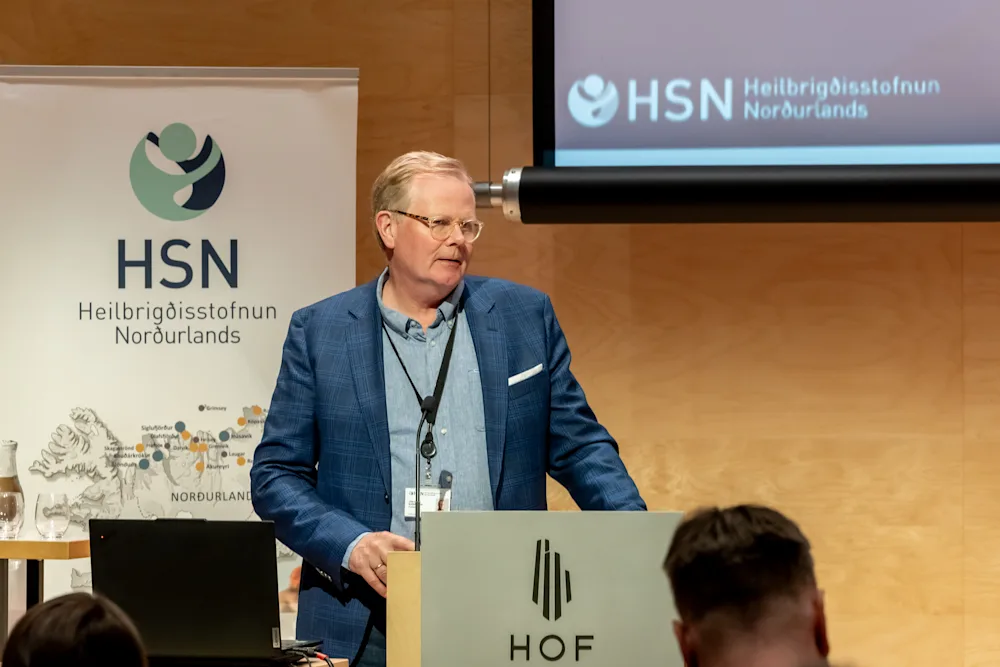
Jón Helgi Björnsson, HSN's CEO.
At the annual meeting of the Healthcare Institution of North Iceland (HSN), held at Hof in Akureyri on May 20, 2026, the results for the 2025 operating year were presented. It is clear that healthcare services in North Iceland are at an important turning point, where development, expanded services, and organizational changes have been at the forefront—despite a challenging operating environment. HSN serves just over 38,000 residents from Blönduós to Þórshöfn and operates 17 service locations with a total of 502 full-time equivalent positions.
Key Results for 2025
The operating deficit amounted to ISK 303 million, largely explained by new wage and institutional agreements, as well as increased rental costs associated with new facilities at Sunnuhlíð, which have not yet been fully funded.
Service development continued, including the takeover of the Sæborg nursing home in Skagaströnd. HSN now operates more than 200 nursing and inpatient care beds in North Iceland, and preparations have begun for a new nursing home in Norðurþing, which will offer 60 beds.
Organizational changes have yielded results. The merger of primary healthcare services in Dalvík and Fjallabyggð has strengthened staffing and increased stability. In addition, a decision was made to postpone the construction of a second primary healthcare center in Akureyri, as new workflows and team-based approaches have proven effective.
Demand for services continues to increase, particularly within primary care and psychosocial services. New initiatives such as the children’s mental health team and the Akureyri Clinic have addressed significant needs, and recruitment for these positions has been successful.
Organizational changes have yielded results. The merger of primary healthcare services in Dalvík and Fjallabyggð has strengthened staffing and increased stability. In addition, a decision was made to postpone the construction of a second primary healthcare center in Akureyri, as new workflows and team-based approaches have proven effective.Job satisfaction increased significantly during the year.
In the “Institution of the Year” survey, HSN’s score rose from 3.76 to 4.15 year-over-year. Initiatives such as Workplace Wellbeing have contributed to improved staff well-being, alongside increased patient satisfaction, with over 90% of respondents in service surveys expressing satisfaction with the services.
Innovation and digital solutions are playing an increasingly important role in operations. Participation in development projects, nominations for innovation awards, and grants in the fields of telehealth and artificial intelligence highlight HSN’s forward-thinking approach.
Donations and grants amounted to approximately ISK 40 million during the year and have played an important role in supporting operations.
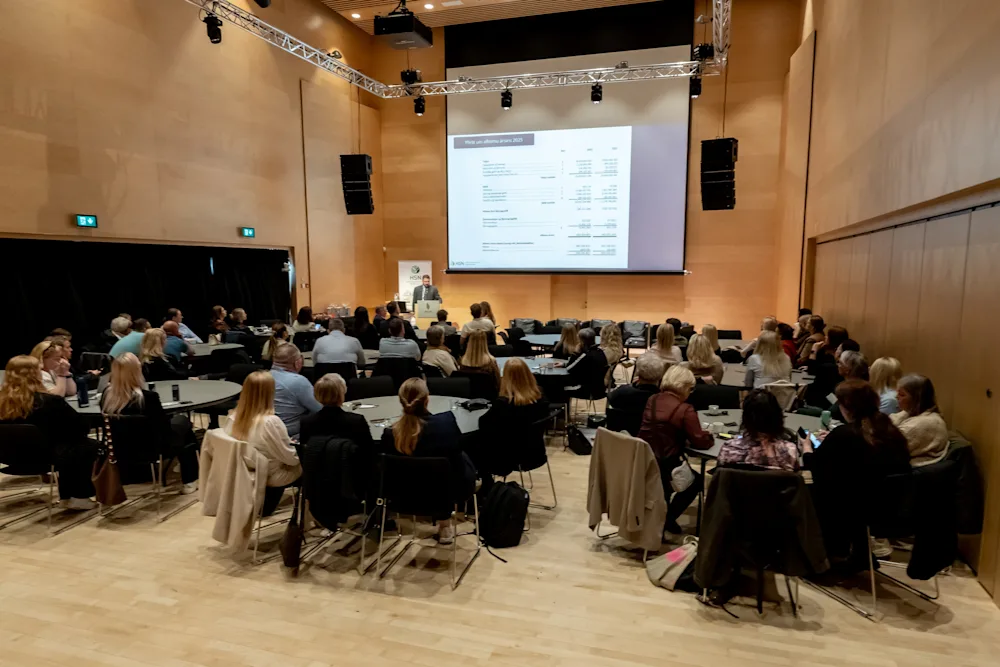
“HSN has experienced a long-standing operating deficit, which can largely be attributed to unfunded wage and institutional agreements, and now also to increased rental costs associated with the new facilities at Sunnuhlíð,” says Jón Helgi Björnsson, CEO of HSN. “Despite this, we have succeeded in continuing to develop our services with a clear future vision as our guiding principle. Through organizational changes, strong teamwork, and increased use of digital solutions, we have strengthened the foundation of our services and created better conditions for the future. The year 2025 was challenging, yet also highly educational and successful in many areas.”
HSN’s annual report for the 2025 operating year is available on the institution’s website.