
The Directorate of Health
RSV vaccination efforts have been successful.
15th December 2025
In October, a campaign was launched for RSV vaccination of children born after the end of the last RSV season, or from May 1, 2025.
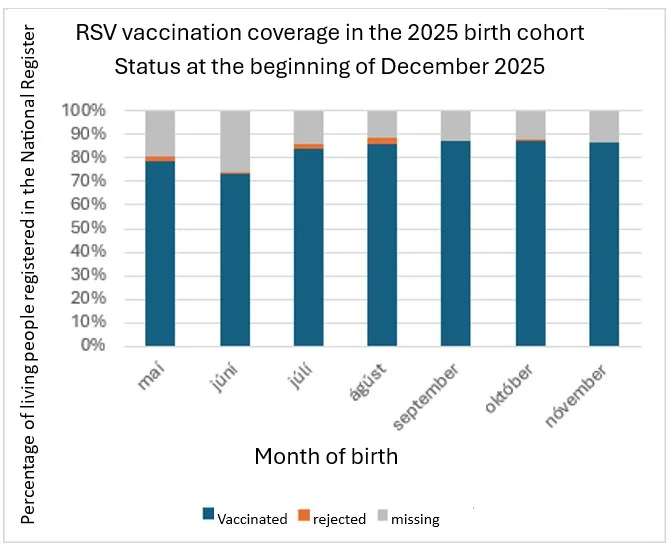
Figure 1. Participation in RSV vaccinations has been very good, and is highest among those who received the vaccination shortly after birth.
- Automatic translation
Children born before the antibody arrived in the country have mostly received the vaccination at scheduled well-baby visits in October or November. Children born on October 3 or later have been vaccinated as soon as possible after birth, many at the birthplace, while others received it at health clinics or through home healthcare. In some cases, vaccination has not taken place due to a shortage of the correct dose of the antibody, as doses for children who have reached 5 kg were depleted by mid-November. This will be taken into account when preparing next winter’s campaign, and a request will be made to the manufacturer to adjust the proportion of doses in the shipment expected to arrive in the country in autumn 2026.
Children born between October and January account for, on average, over 60% of those in their first year who require hospitalization due to RSV. It is therefore particularly important to reach those children who have not been vaccinated at birth as soon as possible, in order to reduce the likelihood of RSV infection before vaccination is administered, and this seems to be going well (see Figure 1). There are very few recorded refusals, but it is mandatory to record the reason in the central vaccination registry if a child is not vaccinated according to the general schedule set by the Chief Epidemiologist.
The campaign to reach children born before the antibody arrived in the country is now complete, and their vaccinations will not continue into the new year. Instead, the focus will be entirely on vaccination at birth while RSV is still circulating locally.
RSV circulation this winter
RSV has started to spread here in recent weeks, but the extent of circulation is much lower than at the same time over the past two years. It is known that RSV epidemics vary greatly in severity from year to year, and the lower spread in other age groups cannot be attributed to infant vaccinations. Proportionally fewer infections are seen among children in their first year of life than we are used to, but due to the low number of diagnoses, it is not yet possible to estimate the effectiveness of the vaccinations. Infections among children in the vaccination target group are still very few, and those children had not been vaccinated.
Further information on the RSV epidemic this season and previous seasons can be found on the dashboard available on the website of the Directorate of Health.
The Chief Epidemiologist