
The Directorate of Health
This news article is more than a year old
Nordic Collaboration Gathers Experiences from the Pandemic
18th September 2025
A collaborative project between the Nordic public health authorities has gathered important lessons from the COVID-19 pandemic. The results can be used as a basis for strengthening collaboration and preparedness in the region.
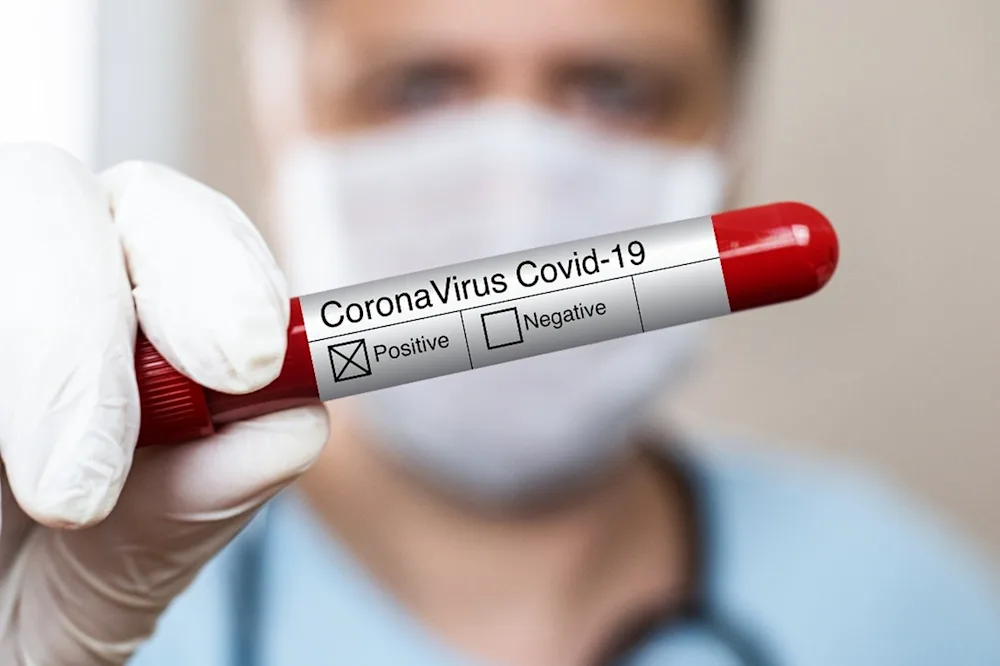
In 2022, the public health authorities decided to launch a joint project to follow up on experiences of the pandemic in five key areas: Testing and contact tracing, intensive care burden, vaccinations, border measures, and national evaluations of pandemic management. Each country took responsibility for one key area in addition to participating in all the others.
The final report, published today by The Public Health Agency of Sweden, the joint project leader, describes how the Nordic countries, including the Faroe Islands, Greenland and Åland, handled the pandemic in partly different ways, but also how they could together increase their preparedness.
The project, which is funded by the Nordic Council of Ministers, shows that close co-operation between public health authorities yields great benefits.
Collecting Lessons Learned from COVID-19: Nordic Reviews
A central part of emergency preparedness is learning from past crises including from After-Action Reviews (AARs). The Chief Epidemiologist lead Iceland´s part in the joint project to collect Nordic national reviews of pandemic management. The COVID-19 pandemic prompted such evaluations across the region.
The resulting document summarizes national-level reviews focusing on public health preparedness, response, and social effects. Local, regional, or independent academic studies were excluded in general as the focus was on initiatives by governments or public agencies.
The collected reviews vary in scope and origin making direct comparisons difficult but their content can be grouped into five categories:
Governance, legislation, and decision-making: Comprehensive national reviews analyzed governance structures, pandemic legislation, preparedness, and the division of responsibilities between authorities.
Epidemiological development and response: Reports from Åland and Greenland provided descriptive accounts of how the pandemic unfolded and assessed the effectiveness of response measures. Other broader national reviews also included epidemiological analyses as part of their evaluations.
Specific response measures and health impacts: Countries examined key interventions in detail, including vaccination strategies, hospital preparedness, and outbreaks in nursing homes, border measures etc.
Regional and municipal responses: Sweden and Iceland published evaluations from the perspective of regional and municipal authorities such as schools, elderly care, public transport and local measures.
Communication and misinformation: Iceland prepared a dedicated review on pandemic-related misinformation and information flows.
To improve comparability the Nordic countries could consider adopting a more standardized approach to AARs at the onset of future crises, supported by systematic data collection.
The available reviews are not exhaustive and and only examined a limited part of those relating to health care. Notably, few reports include English summaries or have led to peer-reviewed publications; expanding these practices would improve accessibility and international knowledge sharing.
The Chief Epidemiologist