
The Directorate of Health
Tuberculosis and TB Infection – What You Need to Know
16th February 2026
Tuberculosis (TB) is one of the oldest infectious diseases known to humanity. Around 1950, the introduction of effective TB medications led to a dramatic decline in cases in Iceland.
Despite major advances in medicine, around 10–20 cases are still diagnosed here each year.
Most people have heard of TB as a serious lung disease, but fewer realize that many people who are exposed to the TB bacteria never become ill. These individuals have tuberculosis infection, which is not infectious.
Below is an overview of the difference between TB infection and TB disease, how TB spreads, and when to seek medical care.
What Is Tuberculosis?
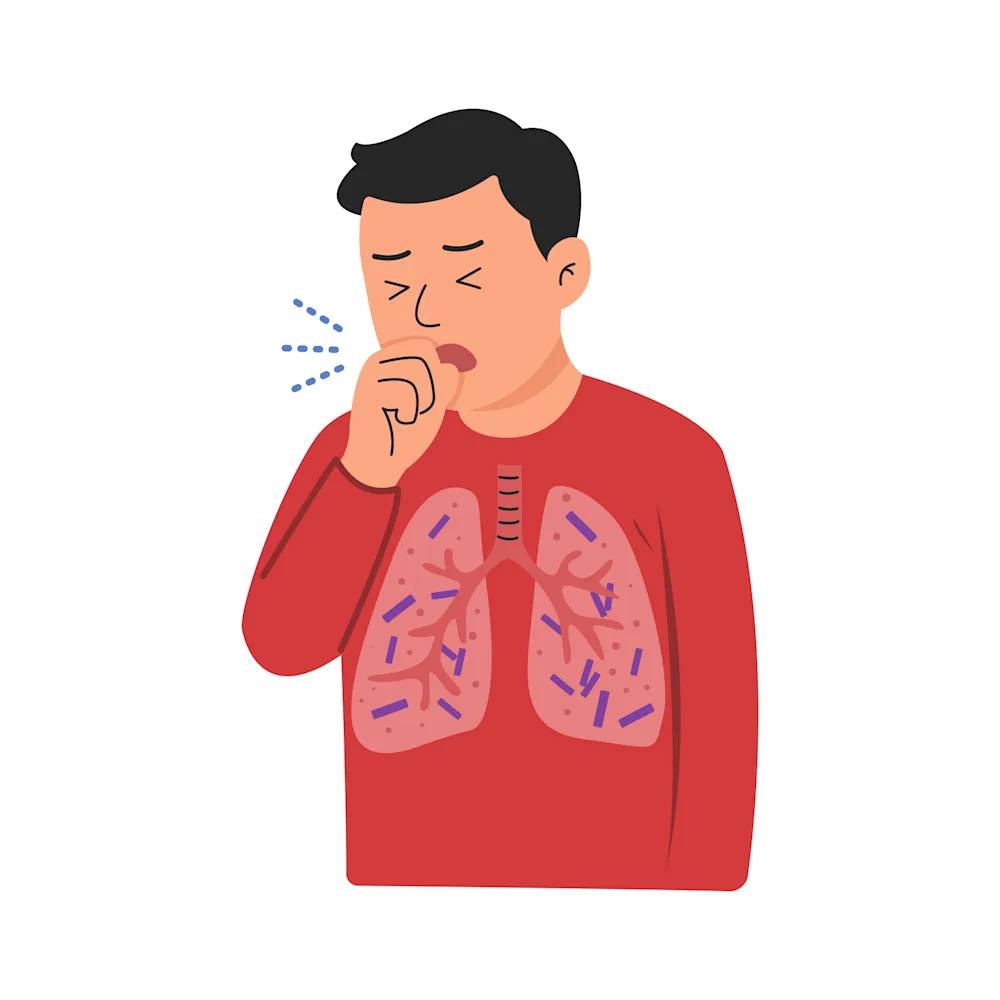
Tuberculosis is caused by the bacterium Mycobacterium tuberculosis. The bacteria spread through the air in tiny droplets released when a person with infectious TB of the lungs coughs or sneezes.
TB most commonly affects the lungs, but it can also involve other parts of the body, such as the kidneys, bones, or the central nervous system.
What Does It Mean to Have TB Infection?
TB infection means that a person has been exposed to TB bacteria, but their immune system keeps the bacteria under control.
A person with TB infection:
is not sick
has no symptoms
cannot spread TB to others, under any circumstances
Most people with TB infection will never develop active TB disease. In Iceland, many individuals with TB infection are offered preventive treatment to reduce the risk of developing TB later in life.
How Is TB Transmitted?
TB infection usually occurs after prolonged or close indoor contact with an individual who has active, infectious TB of the lungs.
People who have TB only outside the lungs (for example, in lymph nodes or bones) are not infectious.
TB is not spread:
through physical contact, such as hugging or shaking hands
from surfaces
from shared utensils or clothing
by contact with people who have TB
It is estimated that only about 10% of untreated people who become infected will develop active TB disease later in life.
What Are the Main Symptoms of Active TB Disease?
TB disease develops slowly, and symptoms often appear gradually. Common symptoms include:
a persistent cough (lasting longer than three weeks)
coughing up blood
fever and night sweats
loss of appetite and weight loss
fatigue and weakness
chest pain or shortness of breath
If you experience these symptoms - especially if you have lived in or travelled to a country where TB is common - you should contact your healthcare provider.
Diagnosis and Treatment
Diagnosis of TB is based on a medical evaluation and may include blood tests, a skin test, chest imaging, and sputum samples.
TB disease is treated with a combination of medications for at least six months.
TB infections is treated with a single medication for six months or a shorter combination regimen, depending on individual circumstances.
A person with TB disease is usually no longer infectious after about two weeks of treatment.
How Is TB Prevented?
In Iceland:
Screening for TB infection or TB disease is carried out for individuals applying for residence permits from outside the European Economic Area, with certain exceptions
Contact tracing is systematically performed when TB disease is diagnosed
Preventive treatment is offered to all individuals with TB infection to reduce the risk of future disease
The BCG vaccine against TB is not part of the routine vaccination program in Iceland. In other countries, it is used mainly to protect infants from severe forms of TB, especially where TB is more common.
When Should You Seek Medical Advice?
If you suspect TB disease, have symptoms, or believe you may have been exposed to TB disease:
Contact your local primary healthcare clinic.
If symptoms are severe, contact emergency services.
People with TB disease should avoid close contact with others (self-isolate) for at least the first two weeks of treatment.
People in isolation may go outdoors but should wear a mask (FFP2 / N95) if close contact with others is unavoidable.
If it is necessary to remain indoors with a person who has TB disease, both the patient and others should wear masks.
In Summary
TB infection: people are not ill and are not infectious.
TB transmission requires prolonged exposure to the cough from an infectious person.
TB is a treatable disease with good outcomes, but treatment takes time.
Seek medical care for a persistent cough or other symptoms listed above.
More information about TB on the website of the Directorate of Health
The Chief Epidemiologist