2nd December 2025
2nd December 2025
Nordic monitoring of diet, physical activity, physique and alcohol and tobacco use
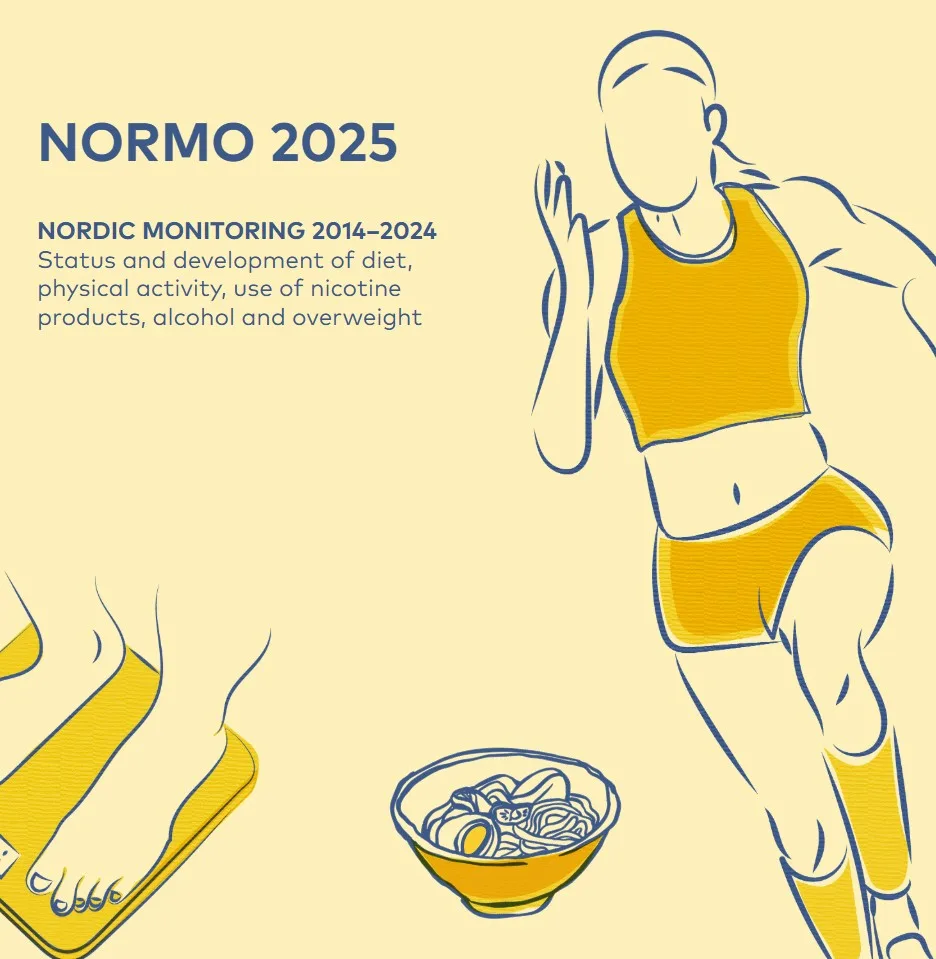
Today, a report was published with the results of Nordic monitoring of diet, physical activity, and physique among adults and children aged 7-12, as well as alcohol and tobacco use among adults.
-Automatic translation
The Directorate of Health conducted the survey in Iceland in collaboration with researchers from Denmark, Finland, Norway, and Sweden in the spring of 2024. The Nordic Council of Ministers funded the project. Previous surveys were conducted in 2014 and 2011. The main results are published here, but more detailed information can be found in the summary (Icelandic).
Diet
Diets in the Nordic countries have worsened since 2014, with decreased intake of plant-based foods and increased consumption of sweets, cakes, biscuits, and soft and energy drinks. In 2024, the intake of fruits, vegetables, legumes, whole-grain bread, and fish remained below the recommendations of the Nordic Nutrition Recommendations (NNR2023), while meat consumption was relatively high. As before, social inequality influenced dietary habits, with healthier diets being more common among those with higher education.
In Iceland, adults' intake of vegetables, fruits, and whole-grain bread has decreased, and their consumption of these foods was lower than in other Nordic countries. However, fish consumption was higher than the Nordic average, with Iceland closely trailing behind Norway. The intake of sweets, cakes, and biscuits in Iceland was among the highest, and similarly, the consumption of soft and energy drinks was by far the highest in Iceland.
A similar pattern was observed in children's diets. Vegetable and fruit intake declined and was lower in Iceland and Norway compared to other Nordic countries. Similarly, the consumption of whole-grain bread fell and was low in Iceland. Overall, fish consumption among children in Iceland slightly decreased, but Icelandic children still eat more fish than children in the other Nordic countries. The intake of sweets, biscuits, and cakes increased among children, along with soft drinks, which was 3.1 times per week in Iceland.
Physical activity
Overall, nearly a third of Icelandic adults did not meet the recommendations for physical activity (150 minutes of brisk activity per week). In 2024, questions about active transport were included for the first time, and there is a significant difference between countries. Icelanders spent the least time walking and cycling between places among the Nordic countries, about 2 hours per week. The average screen time for adults in Iceland is 3.6 hours per day, with 23% of the population spending more than 4 hours per day in front of screens.
Although Icelandic children are the most physically active among Nordic countries, a significant proportion do not meet the minimum recommendations for daily physical activity. Proportionally, more girls than boys fail to meet these recommendations.
Physique
More adults in the Nordic countries were overweight or obese (BMI ≥ 25) in 2024 than in 2014. The proportion of adults with obesity (BMI > 30) increased from 15% in 2014 to 20% in 2024. In Iceland, it rose from 21% in 2014 to 28% in 2024. In 2024, the obesity rate was 24% in Finland, 18% in Denmark, 16% in Norway, and 15% in Sweden.
The proportion of children with obesity in the Nordic countries was 3% in 2014 and increased to 4% in 2024. In 2024, about 6% of children in Iceland had obesity, similar to Denmark (5.5%) and Finland (5%), while it was around 2% in Norway and Sweden.
Alcohol and tobacco use
Overall, alcohol consumption in the Nordic countries remained nearly the same from 2014 to 2024, averaging 1-2 times a week. Around 37% of respondents in the Nordic region had been drunk within the past 30 days.
Daily smoking declined in all Nordic countries between 2014 and 2024, with rates falling from around 16% to 10%. In Iceland, the daily smoking rate was 8.3% in 2024, but during the same period, the use of oral tobacco and nicotine pouches increased. The use of e-cigarettes was generally low, but higher in Iceland compared to other Nordic countries.
More information
Hólmfríður Þorgeirsdóttir, project manager nutrition
holmfridur.thorgeirsdottir@landlaeknir.is