18th December 2025
18th December 2025
The “Barren Soils” No Longer Live Up to Their Name
For many years, the Biskupstungur Land Reclamation Association has been engaged in land restoration north of Bláfellsháls, in an public grazing area known as Moldir (“the Barren Soils”). The vegetation cover has now improved to such an extent that the name Moldir is no longer considered appropriate. In late summer, an area on Tunguheiði heath was reopened for grazing following decades of restoration work. It will be interesting to observe the effects of grazing there in the coming years.
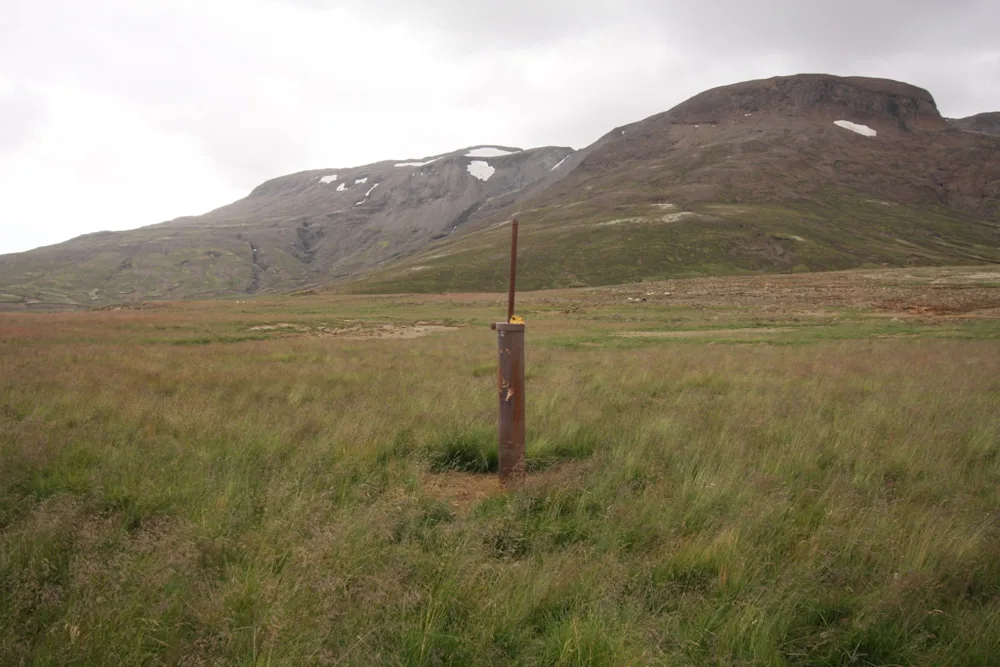
Lush vegetation in an area which has been called "The Barren Soils". Photo credits: Garðar Þorfinnsson
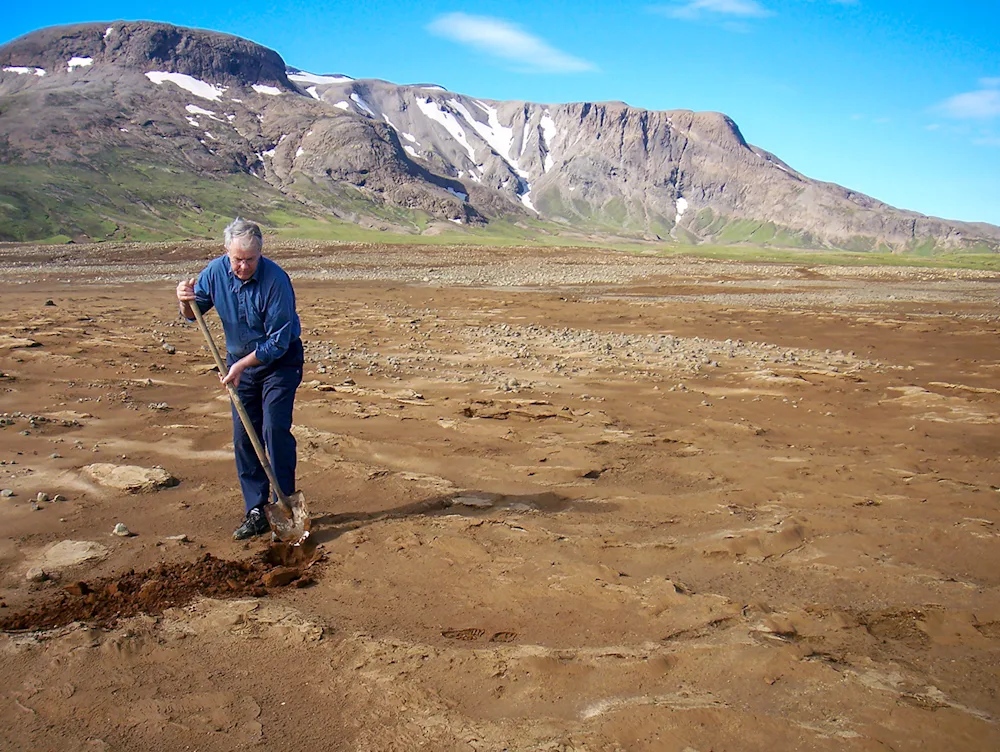
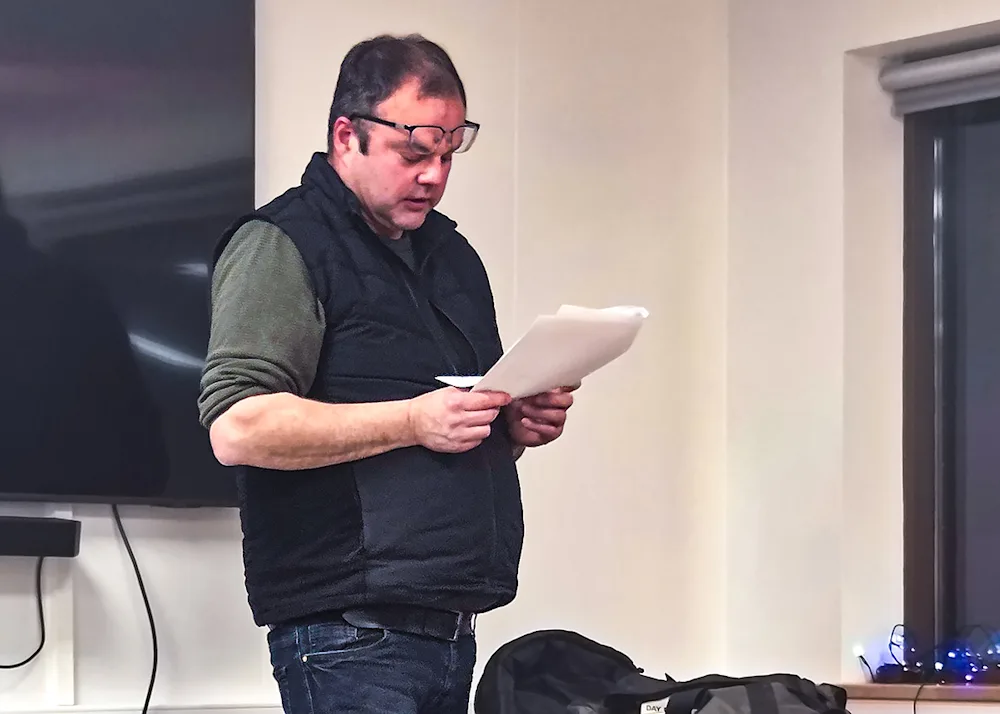
This was reported at the annual general meeting of the Biskupstungur Land Reclamation Association, held at Bergholt in early December. In the board’s annual report, presented by the chair, Ingvi Þorfinnsson, it was noted that fertiliser was applied in June to the association’s traditional restoration areas on the Biskupstungur commons. Work began near the Sandá river, with fertiliser spread west of Rótarmannagil and around Fremstaver. From there, the operation continued across Bláfellsháls and on to the Moldir area north of Bláfell, near Lambafell. According to Ingvi, the area is now close to being fully vegetated and therefore hardly deserving of its former name. This transformation can be seen in the accompanying photographs taken by Garðar Þorfinnsson, specialist at Land and Forest Iceland, who documented conditions in the area.
In addition to the sites already mentioned, restoration work was carried out north of the Hvítá river. Fertiliser was applied to the Svartá grasslands south of Árbúðir, as well as to eroded slopes inside Árbúðir east of the river. West of the Svartá river, fertiliser was spread over areas extending as far inland as the Fúlakvísl stream. This latter area has been a major focus of the association’s work in recent years. In total, 48 tonnes of Yara 27-3-3 fertiliser were distributed during the summer. In addition, three tonnes were applied on behalf of the Baldur Lions Club, which is carrying out restoration in a nearby fenced-off area close to the Svartá river.
In early October, restoration work resumed on the commons, with 74 hay bales spread north of Árbúðir. Later in the month, a tractor equipped with a front-mounted manure fork was used to distribute a further 64 bales on grassland south of Brunnalækur. Around the same time, 47 bales were transported to Sandvatnshlíð, where they remain stored, as time did not allow for their distribution before the onset of winter.
Ingvi Þorfinnsson also referred to the area on Tunguheiði that has previously been discussed on the Land and Forest Iceland website and which was returned to farmers this summer after many years of protection and restoration. Approximately 2,500 hectares were closed to grazing in 1998, and large-scale restoration work was initiated. In late summer, the area was reopened for grazing, and Ingvi noted that it would be interesting to see how the vegetation responds following the lifting of protection, particularly the lupin. Only time will tell whether late-summer grazing will have a significant impact on the lupin.
Ingvi further stated that most of the funding available to the Biskupstungur Land Reclamation Association comes from the Land Improvement Fund, administered by Land and Forest Iceland. This year, the association received approximately ISK 6.7 million from the fund, while members contribute their own labour and equipment to the projects. Ingvi thanked all those who took part in the year’s restoration work for their valuable contributions and expressed hope for continued efforts in the years ahead. He also thanked Land and Forest Iceland for its support, both financial and practical.
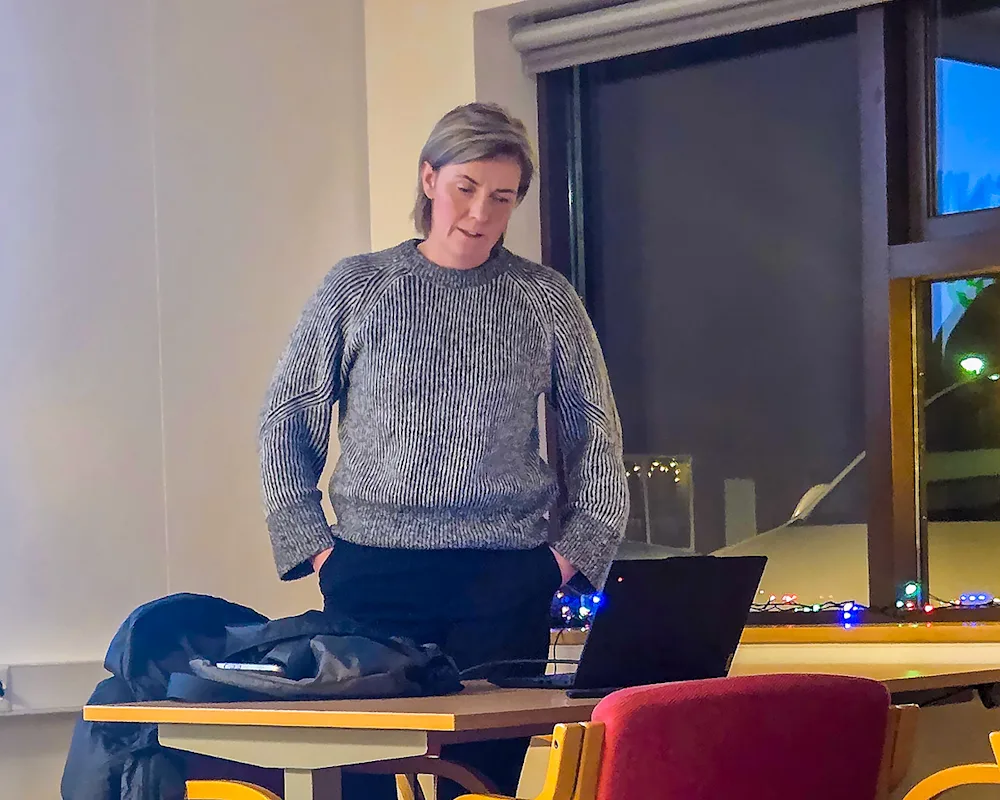
The guest speaker at the annual meeting was Oddný Steina Valsdóttir from farm Butra in Fljótshlíð. She spoke about the successful restoration work carried out by her family at Butra, as well as the extensive land restoration efforts of the Fljótshlíð mountain pasture committee on the Fljótshlíð commons. There, large areas have been restored, roads improved and erosion halted along their length. Oddný discussed the effects of grazing and the importance of its management, and concluded by introducing a project known as Digi Rangeland, in which the Agricultural University of Iceland participates. The project uses digital solutions to address challenges facing grazing-based livestock farming in Europe.
Land reclamation specialist Garðar Þorfinnsson attended the meeting on behalf of Land and Forest Iceland.
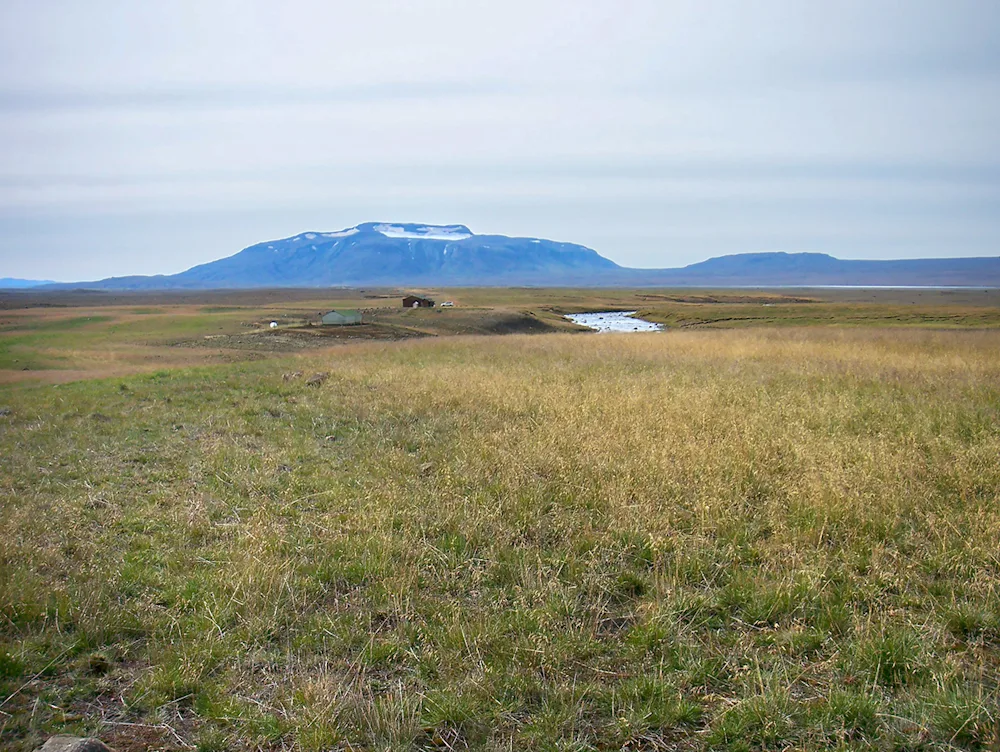
An area near Árbúðir showing successful land reclamation. Photo credits: Garðar Þorfinnsson